Plant Nutrient Deficiency Chart: What Leaf Symptoms Are Telling You
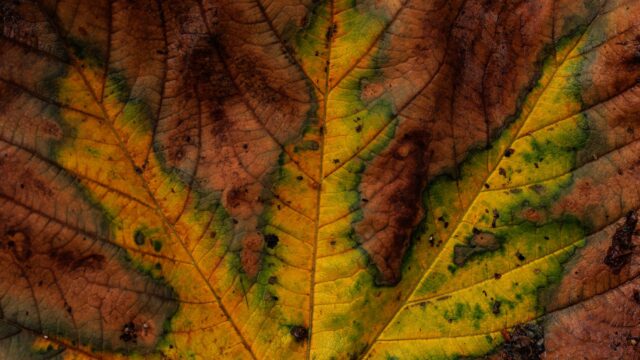
Which leaves are affected tells you more than the color alone. Use this chart to narrow the suspects, then confirm with a soil test before buying fertilizer.
Soil tests, pH, compost, mulch and fertilizer in plain English.
Which leaves are affected tells you more than the color alone. Use this chart to narrow the suspects, then confirm with a soil test before buying fertilizer.
A soil report looks like a wall of numbers, but only a few lines drive your decisions. Here is what each one means and how to act on it.
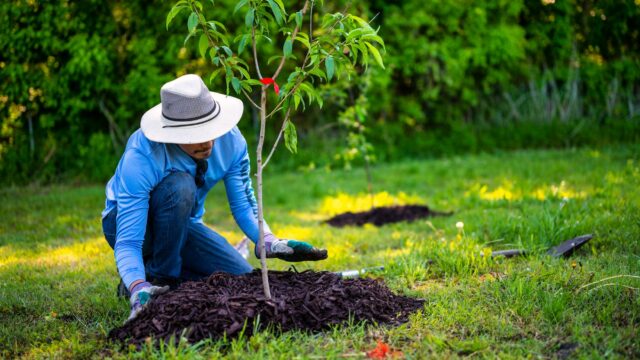
Mulch helps trees until it's piled against the trunk. Here's how wide and deep to go, and how to safely undo a volcano that's already there.
The soil often has plenty of iron, but the plant can't take it up. That's why a soil test comes before any product, and why some fixes barely last a season.
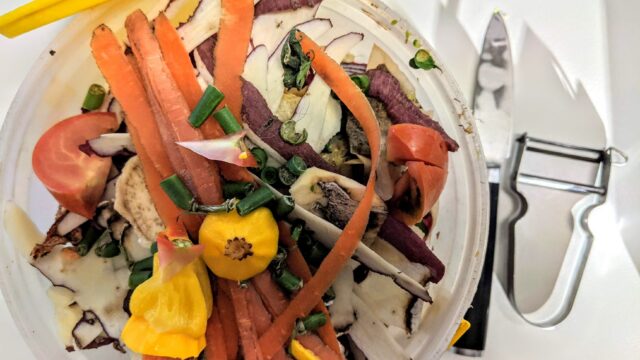
Healthy compost smells like a forest floor. If yours doesn't, the type of smell tells you exactly what went wrong and what to add.
Clay will always be clay, but it can become far easier to garden. The fix is steady organic matter and good timing, not a truckload of sand.
Lime only helps when soil is truly too acidic, and too much does harm. A lab test tells you whether to apply it and how much.
If a screwdriver won't go in and water won't soak in, your soil is probably compacted. Here is how to confirm it, loosen it and keep it that way.
The bags look alike, but they do very different jobs. Here is what each product is, what to buy for your project and how to judge quality.
Lime and sulfur do opposite jobs, and neither works quickly. A soil test tells you whether you need either one, and how much.
We use analytics cookies to see which articles are read. No ads cookies. Privacy policy