How to Fix Compacted Soil: The Screwdriver Check and What to Do Next
If a screwdriver won't go in and water won't soak in, your soil is probably compacted. Here is how to confirm it, loosen it and keep it that way.
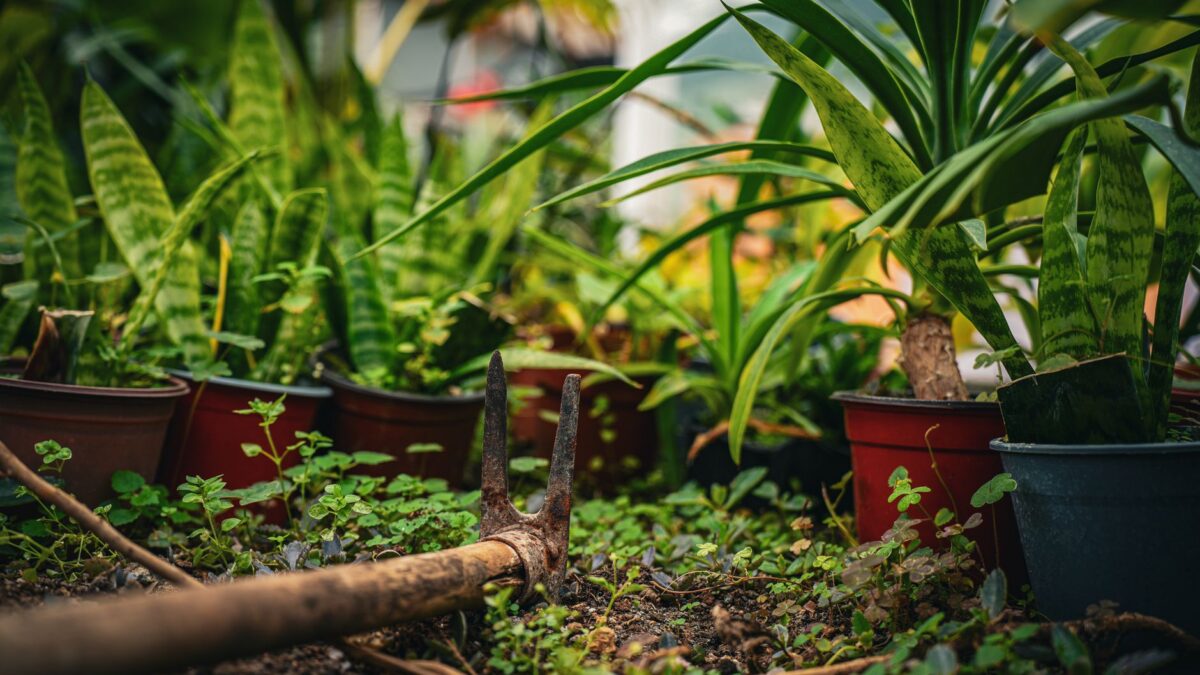
To fix compacted soil, loosen it with a garden fork or broadfork while it is moist but not wet, work in compost, and then stop walking on it. In a lawn, use a core aerator instead. Cover crops and mulch help hold the gains, but nothing lasts if the foot traffic comes back.
Compaction squeezes out the large pores that carry air and water through soil. Roots run short of oxygen, water sits or runs off, and plants struggle even when they are watered and fed. Colorado State University Extension calls the low oxygen caused by compaction a primary factor limiting plant growth in landscapes, and warns that it is hard to correct. That makes prevention just as important as the repair.
Symptom check
You likely have a compaction problem if you see two or more of these:
- Water puddles after rain, or runs off instead of soaking in.
- Bare strips or thin grass follow the route people walk.
- Plants stay small or wilt even though the soil is damp, because roots lack air.
- Soil is hard to dig and comes up in large, dense clods.
- The same plant grows noticeably slower in one spot than in another.
The screwdriver check
- Pick your moment. Test when the soil is moist but not soggy, such as a few days after a good rain. Dry soil feels hard even when it is healthy.
- Push straight down. Use a long-handled screwdriver or a stiff steel wire. In uncompacted soil it should slide in easily, and the University of Maryland Extension says a stiff wire should reach about 12 inches without bending.
- Compare. Try the suspect area, then a spot you know is fine, such as a mulched bed.
- Note where it stops. One sudden stop may be a rock. If it stops at about the same depth across the area, you have probably found a compacted layer, also called a hardpan.
Heavy soils compact most easily because clay particles are so small. If yours is sticky when wet and brick-like when dry, pair this guide with our article on improving clay soil.
How to fix compacted garden beds
- Check moisture first. Squeeze a handful into a ball. If it crumbles, go ahead. If it just changes shape, wait. Working wet soil does more harm than leaving it alone.
- Clear the surface. Pull weeds and rake any mulch to the side.
- Loosen with a fork. Push the tines in, gently rock the handle back and forth, lift out, move over 8 to 12 inches and repeat. Don’t lift and flip the soil. The goal is cracks and channels, not a turned-over bed.
- Use a broadfork if you have one. This wide, two-handled fork breaks through compaction without inverting the soil. It is hard work and not practical over a large area, but it suits vegetable beds well.
- Add compost. Spread 2 to 4 inches and work it into the top 6 to 8 inches. Colorado State notes that shallower amending in compacted soil can leave plants with a shallow root system.
- Grow a cover crop if the bed is empty. Fibrous-rooted rye and annual ryegrass are the best choices, according to Penn State Extension. They must be vigorous to help, so sow soon after the last crop comes out and cut them down before they set seed. Sowing dates depend on your USDA hardiness zone.
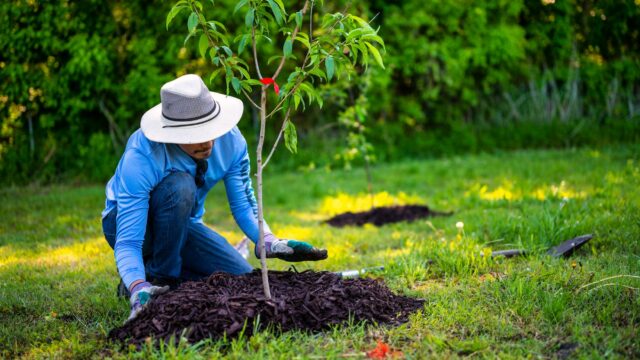
- Finish with mulch. A 2- to 4-inch layer of organic mulch cushions the surface and feeds the soil as it breaks down.
Keep your feet off the beds
This step decides whether the repair lasts. Colorado State gives a striking example: a moist soil could reach 75% of its maximum compaction the first time it is stepped on and 90% by the fourth. Wet soil is the most vulnerable, because water lets the particles slide together.
- Set up permanent beds narrow enough to reach the center from the path.
- Cover paths with 3 to 4 inches of wood or bark chips, which soften the effect of foot traffic.
- Keep carts and wheelbarrows on the paths.
- Stay out of beds after rain until the soil crumbles in your hand.
- Go easy on the rototiller. Freshly tilled soil looks fluffy, but it can compact again once it is watered and walked on.
The right fix depends on where it is
| Area | Best fix | Avoid |
|---|---|---|
| Vegetable or flower bed | Fork or broadfork, compost, cover crop, mulch | Walking in the bed, working it wet |
| Lawn | Core aeration, with enough passes to leave plugs about 2 inches apart | Spreading a thin layer of topsoil on top |
| Under trees | Mulch the root zone and keep traffic away; an arborist can loosen soil with an air spade | Digging or tilling through roots |
| New-build yard | Break up the surface and mix in at least 3 to 4 cubic yards of organic matter per 1,000 square feet before planting | Planting into a thin cap of imported soil |
| Severely compacted ground | Raised beds, or deep ripping by a contractor; have utilities marked first by calling 811 | Expecting hand tools to break a deep pan |
For lawns, water well first so the aerator pulls plugs at least 3 inches long. Our guide to aeration vs dethatching helps you pick the right job. Around trees, see how to mulch around trees so the mulch stays off the trunk.
What won’t help
- Thin topsoil. Roots barely enter the hard layer underneath, and the change in texture can hold back water. If you add fill, lightly mix it with the soil below.
- Gypsum. It won’t break up compacted soil and can raise salt levels. It is useful only for soils with a confirmed sodium problem.
- Sand. In clay soils it can reduce large pores and make things worse.
- Extra fertilizer. It helps only if low nutrients are the real problem. Test before you feed.
Bottom line
Confirm the problem with a screwdriver in moist soil, loosen beds with a fork or broadfork, work in compost, and grow something with fibrous roots if the bed is empty. Aerate lawns instead of digging them. Then protect the work with paths and mulch, because one wet-weather walk through a bed can undo a lot of it.
FAQ
Can compacted soil fix itself?
Slowly. Wetting and drying, freezing and thawing, and soil organisms can restore it if traffic stops, but this may take a full season or more, and severe compaction can take much longer.
Does rototilling fix compacted soil?
Only briefly on its own. It loosens the top layer but can break down soil structure, and tilled soil can firm up again once watered and walked on. A fork or broadfork disturbs less.
Do I need to buy a broadfork?
No. A regular garden fork does the same rocking motion in a small bed. A broadfork just covers more ground with each push.
When is the best time to loosen soil?
Whenever a squeezed handful crumbles. That is often a few days after rain in spring or fall, though it varies with your soil and climate. Avoid it when the soil is sticky or rock hard.