Why Does My Compost Smell Bad? What Each Smell Means and How to Fix It
Healthy compost smells like a forest floor. If yours doesn't, the type of smell tells you exactly what went wrong and what to add.
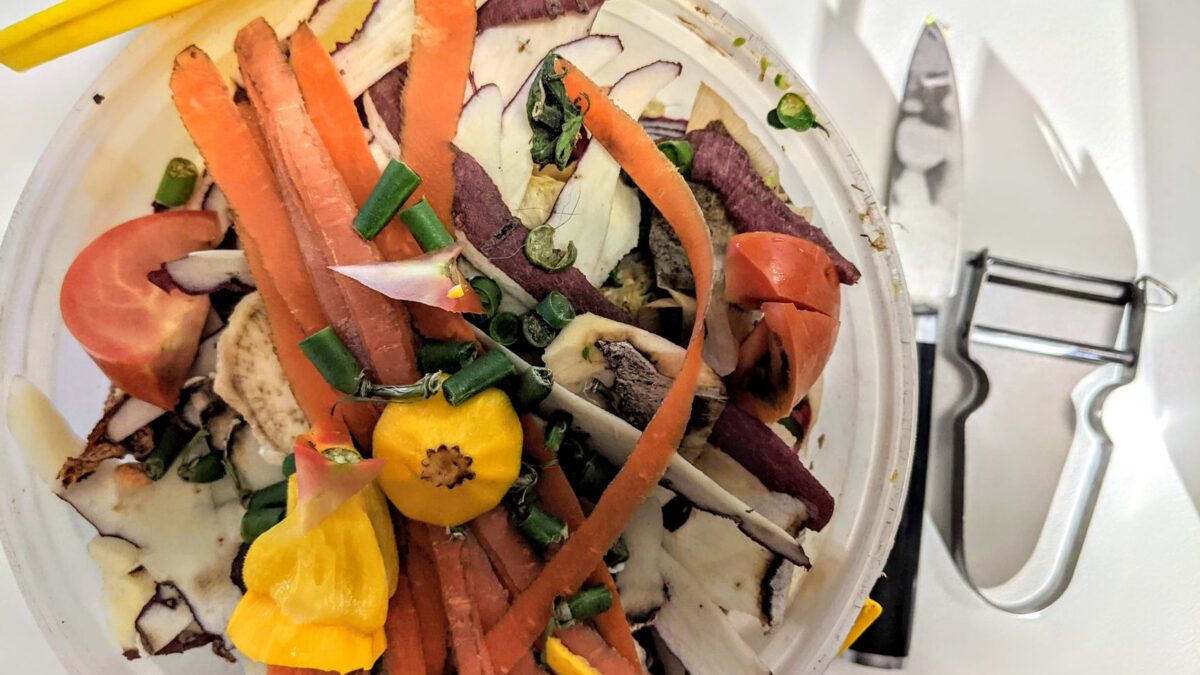
Healthy compost smells earthy. An ammonia smell usually means too much nitrogen-rich green material, and a rotten-egg smell means the pile is wet and short of oxygen. Both call for the same first aid: mix in dry brown material and turn the pile. A rotting-food smell usually means scraps are sitting exposed near the surface.
A smelly pile is rarely a lost cause. Odor is a sign that the mix has drifted out of balance, and most piles recover within days of being opened up and fixed.
Diagnose it by smell
| Smell | What it means | Fix |
|---|---|---|
| Earthy, like forest soil | Healthy pile | Nothing to do |
| Ammonia, sharp and stinging | Too many greens, often grass clippings or food scraps | Add shredded leaves, wood chips, sawdust or shredded paper, then turn |
| Rotten eggs or sulfur | Too wet, not enough oxygen | Turn, mix in dry bulky material, and keep rain off |
| Sour or fermented | Too wet and airless, usually in matted layers | Treat the same as rotten eggs; break up the clumps |
| Rotting food | Scraps exposed or piled in one thick layer | Bury them in the pile and cover with browns |
| Rancid or meaty | Meat, dairy, oil or grease in the pile | Remove what you can and leave these out from now on |
If it smells like ammonia
That sharp cleaning-product smell is nitrogen escaping as gas. It is the classic result of dumping a bag of fresh grass clippings on the pile. The clippings mat together, shut out the air and heat up fast, and there isn’t enough carbon to hold the nitrogen. You are losing a nutrient you could have kept in the compost.
- Gather browns. Shredded leaves, wood chips, sawdust or shredded newspaper all work.
- Break up any clumps. Pull matted clippings apart with a fork.
- Mix the browns through the pile. A layer on top helps with the smell but doesn’t fix the balance. The EPA suggests at least two to three times as much brown as green by volume.
- Hold off on new greens until the smell fades.
Don’t add lime. It is an old tip, but University of Wisconsin Extension’s composting course warns that too much lime can raise the pH enough for nitrogen to escape as ammonia gas, which is the very problem you are trying to stop.
If it smells like rotten eggs
This one is about oxygen. When a pile stays soggy or packed down, the air-loving microbes give way to ones that work without oxygen, and those produce the foul sulfur smell. Oregon State University Extension treats it as a sign of low oxygen and too much moisture.
- Turn the pile. Expect a strong smell while you open it up. Work from the outside in and break apart wet clumps.
- Mix in dry, bulky material. Straw, dry leaves and shredded paper soak up water and hold air spaces open. Wood chips work well as a bulking agent too.
- Keep rain out. A tarp or simple roof helps in wet weather. Penn State Extension suggests a breathable compost blanket over plastic, which can restrict airflow.
- Check the moisture. The target is about 60 to 65%, which feels like a wrung-out sponge. A squeezed handful should feel damp but shouldn’t drip.
- Look at the bin. Enclosed bins and tumblers keep moisture in. Make sure air holes are clear, and don’t let the base sit in standing water.
If the bottom layer is black and slimy, spread it out, mix it with fresh browns and rebuild the pile. A pile that has been sitting wet will need this more than a quick turn.
If it smells like rotting food
Food scraps need to be buried, not just dropped on top. The EPA recommends keeping them covered with 4 to 8 inches of dry leaves or other browns. Keep a bin of leaves beside the pile so that every addition of scraps gets a cover. Chop large scraps so they break down faster.
The same smell attracts flies, rodents and raccoons. Oregon State suggests burying fresh scraps within the pile and lining or wrapping the bin with hardware cloth if animals are a problem. Meat, fish, bones, dairy, fats and oils don’t belong in a backyard pile, and neither does dog or cat waste, which can carry pathogens a home pile may not kill.
How to keep it from coming back
- Add greens in thin layers. Mix each load with browns instead of leaving a thick wet slab.
- Let clippings dry first. Dry clippings are far less likely to mat. Better still, leave most of them on the lawn.
- Stockpile browns. Fall leaves are free and easy to store, and they get you through the summer.
- Add structure. Small twigs or wood chips keep air channels open.
- Turn it regularly. Turning adds oxygen and helps clear odors from a pile that is getting too wet or too dry.
- Watch the rain. Check the pile after long wet spells.
If a pile has stopped working as well as smelling, our guide to compost that isn’t breaking down covers size, particle size and moisture. Avoid adding plants treated with herbicides, and check which diseased plants are safe to compost before adding garden waste.
Bottom line
Let your nose do the diagnosis. Ammonia calls for more browns, rotten eggs calls for air and drier conditions, and rotting food calls for burying scraps under a thick layer of leaves. In nearly every case the answer is the same pair of moves: add dry brown material and turn the pile.
FAQ
Should compost smell at all?
Yes, but pleasantly. An active pile has a mild earthy smell, and finished compost should still smell earthy even when wet. Anything sharp, sour or rotten means the mix needs attention.
Is smelly compost safe to use?
Don’t use it yet. Let it finish until it is dark, crumbly and earthy-smelling. Unfinished compost in large amounts near growing plants can give off gases such as ammonia that harm them.
Can I add lime or baking soda to stop the smell?
Skip them. Lime can make ammonia loss worse, and masking the odor doesn’t fix the cause. Browns and air do.
Why does my compost tumbler smell worse than an open pile?
Closed units hold in moisture, so they can turn soggy quickly, especially with lots of kitchen scraps. Add shredded paper or dry leaves, and make sure the vents are clear.