How to Get Rid of Moss in Your Lawn (and When to Leave It)
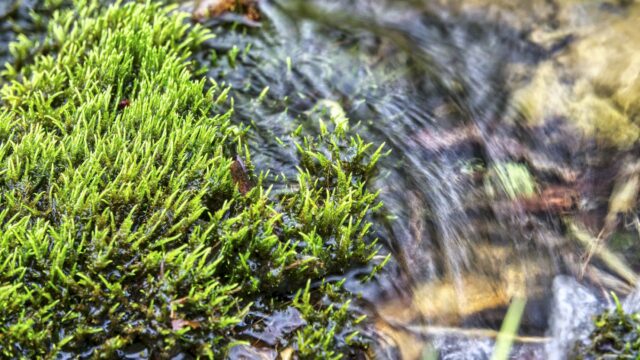
Moss doesn't kill grass. It fills the space where grass is already failing, so the lasting fix starts with the site, not with a bottle of moss killer.
Brown patches, weeds, moss, thin grass and mowing mistakes, with simple fixes for each season.
Moss doesn't kill grass. It fills the space where grass is already failing, so the lasting fix starts with the site, not with a bottle of moss killer.
A brown patch is a symptom, not a diagnosis. Three quick checks at the edge of the patch tell you whether to water, wait, treat or reseed.
Seed only sticks if you fix the reason the grass died. Here is the short diagnosis, the repair, and when to do it for your grass type.
Those straw-colored circles look alarming when the snow goes, but most lawns recover with light raking and a little patience.
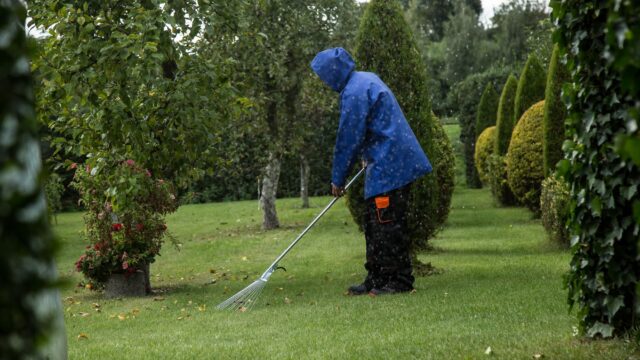
Mowing leaves into the lawn is fine, up to a point. The test is simple: can you still see the grass after you make a pass?
Baking soda and supplements will not save your lawn. Water, reseeding with the right grass and a little training will.
A pale, even lawn and a blotchy one have different problems. Start with where the yellow shows up, then test the soil before you fertilize.
They are not two names for the same job. A wedge of sod and a screwdriver will tell you which one your lawn needs, if it needs either.
Clover moves in where grass is hungry and thin. Fix that first, then decide whether the patch needs pulling, spot-treating or simply leaving alone.
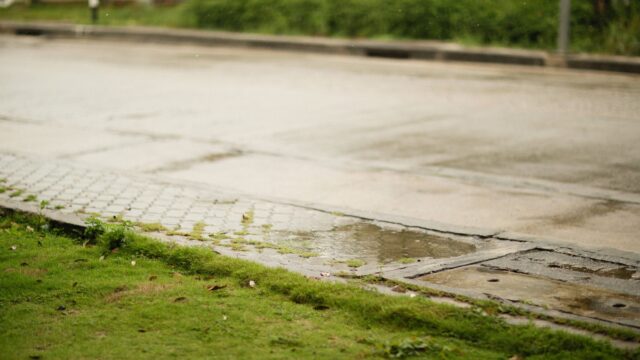
Salt damage shows up as a dead strip along pavement in spring. Water is the main cure, and the timing of your reseeding matters.
We use analytics cookies to see which articles are read. No ads cookies. Privacy policy