Does My Lawn Need Lime? Test First, Then Decide
Lime only helps when soil is truly too acidic, and too much does harm. A lab test tells you whether to apply it and how much.
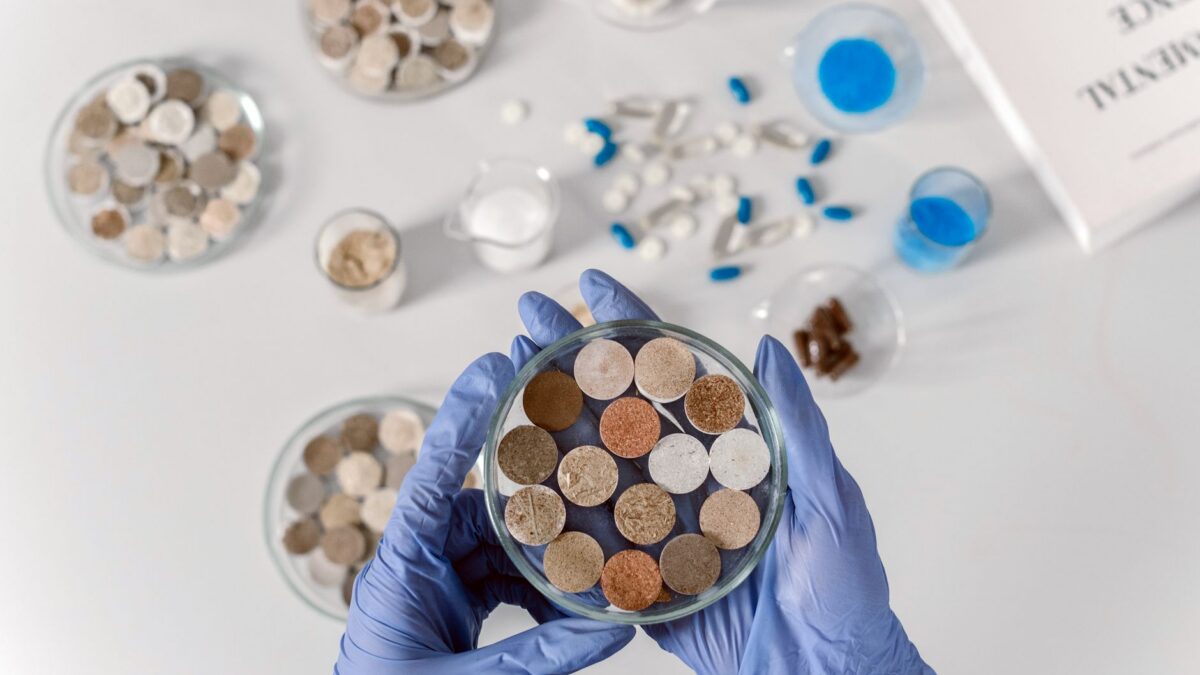
Your lawn needs lime only if a soil test says the pH is too low, which for most grasses means below about 6.0. Moss, thin grass and weeds are not proof of acid soil, and lime will not fix shade or compaction. Most home lawns do well at pH 6.0 to 7.0. Send a sample to your state soil lab, then apply the amount on the report. Liming without a test can push pH too high, which causes its own problems.
Why moss and thin grass are not proof
The old advice goes: moss means acid soil, so spread lime. Universities say otherwise.
- Moss follows weak grass. Oregon State notes that moss does well in the same conditions that stress turf: moist shade, compacted soil, low nutrients and poor drainage.
- Moss grows at many pH levels. Illinois Extension lists soil pH that is too high or too low among possible factors, and it does not suggest limestone unless a soil test shows pH needs to be raised.
- Lime rarely clears it. Wisconsin Extension warns against assuming moss always means acid soil and says lime is usually not effective on it. UConn’s September 2026 guidance makes the same point: a shaded, damp lawn may have moss even when its pH is fine.
Thin grass has many possible causes, including shade, compaction, poor drainage and low fertility. If moss is what prompted your question, our guide to moss in lawns goes through the real fixes.
How to test
- Get a kit. Your state extension service or university soil lab usually offers one for a modest fee. Choose a lab that serves your state, since its recommendations will match local soils.
- Take samples. NC State suggests 10 to 15 spots, each 3 to 4 inches deep for a new lawn. For an established lawn, follow your lab’s depth. Skip mulch, thatch and grass.
- Mix them. Combine the cores in a clean plastic bucket and send the amount requested, often about a cup.
- Tell the lab it is a lawn. Name your grass if the form asks, because recommendations vary.
- Repeat when needed. Every two to three years is a common schedule for established lawns.
Home kits and pH probes can give you a rough idea, but Ohio State points out that they do not calculate how much lime is needed, and they may be less accurate. A lab uses a separate buffer measurement to work out how strongly your soil resists change, and that is what sets the rate. For help with the report, see how to read a soil test.
What your result means
| Soil test pH | What it means | What to do |
|---|---|---|
| Below 5.5 | Strongly acidic for most grasses | Lime at the report rate, split into stages if the total is high |
| 5.5 to 5.9 | Slightly low for most grasses; fine for centipedegrass | Lime if the report recommends it. Do not lime centipedegrass here. |
| 6.0 to 7.0 | The target range for most lawns | No lime. Retest in a few years. |
| Above 7.0 | Alkaline | Never lime. Watch for iron yellowing. |
Some regional guides aim slightly higher: NC State says most turfgrasses prefer pH 6.5 to 7.0. Others treat 6.0 as enough. Your lab’s advice is the one to follow. Centipedegrass is the main exception, preferring a pH near 5.5. If your pH is high, see our guide to iron chlorosis and our comparison of lime and sulfur.
How much lime to apply
Start with the lime requirement on your report. Ohio State’s method is to divide that number by the calcium carbonate equivalent (CCE) printed on the bag, then multiply by 100.
For example, if the report calls for 40 pounds per 1,000 square feet and the bag lists 90 percent CCE, the sum is 40 / 90 x 100, or about 44 pounds of that product per 1,000 square feet.
Then check the per-application limit from Ohio State:
| Material | Maximum per 1,000 sq ft at one time | Notes |
|---|---|---|
| Ground limestone | 50 lb | Slow-acting, inexpensive |
| Pelletized limestone | 50 lb | Easy to spread; costs more |
| Dolomitic limestone | 50 lb | Slow-acting; adds magnesium |
| Hydrated lime | 20 lb | Fast but hazardous to handle |
| Burned lime | 10 lb | Fast but hazardous to handle |
If your total passes the limit, split it into two applications at different times of year. For home use, ground or pelletized limestone is the easy, safe choice. Pick dolomitic only if the test shows magnesium is low. Gypsum is not a substitute, since it changes pH very little or not at all.
When and how to apply it
- Pick a time. Ohio State says lime can go on at any time of year, but not on wilted or frost-covered turf. Spring and fall bring rain that helps move it into the root zone. NC State says winter is usually best in its region.
- Core first if you can. Aerating before you spread helps lime reach the soil.
- Spread evenly. Use a drop or broadcast spreader set to the bag’s instructions, walking two directions at half the rate.
- Water it in. This washes lime off the leaves.
- Be patient. It can take several months to see a change in pH, so do not reapply because the lawn looks the same after a few weeks.
- Retest. Check again in a year or two before adding any more.
Wear gloves, eye protection and a dust mask, and keep children and pets off until it is watered in, or as the label advises. Store bags dry and out of their reach.
Why too much lime is a problem
Soil pH above 8.0 cuts the availability of several nutrients, which can leave a thin, weak lawn. Ohio State adds that alkaline soil can favor summer patch disease in Kentucky bluegrass lawns, and it strongly discourages liming every year without a test. Soil pH takes a long time to come back down once raised. Lawns in naturally alkaline or limestone regions should not be limed at all, and that includes much of the Plains and arid West.
Bottom line
Do not lime on a hunch. A lab test costs little and tells you whether you need lime and how much. If pH is 6.0 or higher for most grasses, leave it alone and look for the real reason your lawn is struggling. If it is low, use ground or pelletized limestone at the report rate, split large doses, and give it months to work.
FAQ
Will lime kill moss?
Not reliably. Wisconsin Extension says it is usually not effective. Fix shade, drainage and compaction, and lime only if a test shows low pH.
When is the best time to lime a lawn?
Any time the turf is not wilted or frosted works. Spring and fall are convenient since rainfall helps carry it into the soil.
Can I lime and overseed at the same time?
If your soil report calls for lime, ground or pelletized limestone can be part of your seeding prep. Follow the report and both labels, and do not use hydrated or burned lime around seedlings.
How often should I lime?
Only when a test calls for it. Retesting every two to three years is a sensible rhythm.