Plant Nutrient Deficiency Chart: What Leaf Symptoms Are Telling You
Which leaves are affected tells you more than the color alone. Use this chart to narrow the suspects, then confirm with a soil test before buying fertilizer.
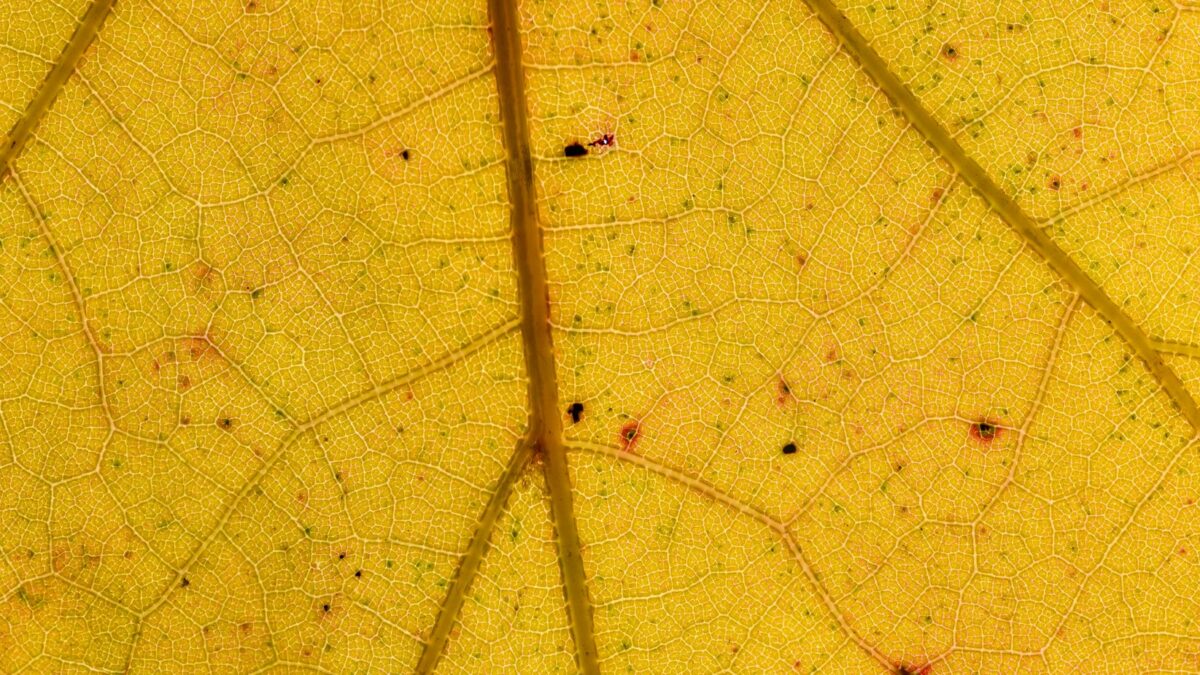
To work out what a plant is missing, look first at which leaves are affected. Symptoms on older, lower leaves suggest nitrogen, phosphorus, potassium or magnesium, because plants move those nutrients to new growth. Symptoms on the youngest leaves suggest iron. Use the chart to narrow things down, then confirm with a soil test before you fertilize, because many other problems look just like a shortage.
Nutrient deficiency chart
| Nutrient | Where it shows first | Leaf symptoms | Other signs | Fix |
|---|---|---|---|---|
| Nitrogen (N) | Older leaves, then younger | Plant pale; older leaves turn evenly yellow and drop early | Stunted growth, weak side shoots | Measured nitrogen feed or compost; do not overapply |
| Phosphorus (P) | Older leaves | Dark green leaves, sometimes purplish, with dying tips | Stunting, delayed maturity, poor fruit and seed | Add only if a test shows low; check pH and soil warmth |
| Potassium (K) | Lower, mature leaves | Edges turn yellow, then brown and scorched | Weak stalks, slow growth | Potassium fertilizer per test; work it into the soil |
| Magnesium (Mg) | Older leaves, then younger | Yellow between the veins; margins yellow last and may curl up | Often on sandy, acidic soil | Dolomitic lime if pH is low; Epsom salt only if test confirms and pH is fine |
| Iron (Fe) | Newest leaves | Yellow between the veins, moving to full yellow or bleached leaves | Stunted growth; often tied to high pH | Correct soil pH; follow extension advice |
Why older versus newer leaves matters
Some nutrients are mobile inside the plant. When supply runs short, the plant pulls nitrogen, phosphorus, potassium and magnesium out of older leaves and sends them to new growth, so the old leaves show the damage. Iron does not move this way, so new leaves go short while older ones can stay green. Other immobile nutrients behave the same way, including calcium, which is why blossom end rot shows up in the fruit rather than the leaves.
Why a soil test comes first
Leaf symptoms narrow the list, but they do not prove a shortage. University of Missouri plant specialists caution that visual symptoms alone can mislead, for three reasons:
- Other problems mimic shortages. Root damage from nematodes, insects or disease, salt damage and pesticide injury can all look like a nutrient issue.
- Too much of one nutrient can cause a shortage of another. Excess phosphorus can bring on iron and zinc deficiencies, and high potassium can interfere with calcium, magnesium and nitrogen.
- Wrong pH is often the real cause. Iowa State University notes that many nutrient problems come from incorrect pH rather than a true lack of nutrients.
Fertilizing on a guess can make things worse. Our guide to reading a soil test explains how to use the results. Missouri also suggests sampling both a problem plant and a nearby healthy one, along with soil from each area, so that you have a comparison.
Notes on each nutrient
Nitrogen
This is the most common true shortage, especially in containers and in soil low in organic matter. Feed at the label rate. More is not better, because too much leads to leafy plants with few flowers or fruit.
Phosphorus
Phosphorus is often already high in long-used garden soil, so do not add it without a test. Purple color alone is not proof of a shortage. Clemson notes that purplish veins can show up on tomato transplants during normal hardening off, for example.
Potassium
Scorched leaf edges are the classic sign, but drought and salt damage can look similar. Potassium moves little in soil, so work it in if a test calls for it. Sandy soils lose it more easily.
Magnesium
University of Minnesota Extension says magnesium shortages in home gardens are most likely on sandy, low-pH soils. If pH is low, dolomitic lime corrects both problems, according to Oregon State University. Iowa State advises against general use of Epsom salt in home gardens and says a soil test is needed to confirm a shortage first. Oregon State agrees, and Minnesota warns that surplus magnesium can make blossom end rot worse.
Iron
Yellow new leaves with green veins usually reflect iron that is locked up by soil chemistry, rather than iron missing from the soil. Correcting pH is the lasting fix, and it takes time. See our full guide to iron chlorosis, which covers what corrects it and on which plants.
A simple order of work
- Note which leaves are affected, and whether the pattern is even, between the veins or along the edges.
- Rule out the obvious: look for spots, pests and soggy or dry soil.
- Think back over any recent spraying, salt or fertilizer.
- Take a soil sample and send it to your state lab.
- Fix pH first if it is off.
- Add only what the report shows is low, at the listed rate.
- Judge results on new growth. Damaged leaves rarely recover.
Whatever you apply, follow the label, do not mix products on your own, and keep fertilizers away from children and pets. Tomato growers can also compare these symptoms with our guide to tomato leaves turning yellow.
Bottom line
Older leaves usually mean nitrogen, phosphorus, potassium or magnesium. New leaves usually mean iron. Use symptoms as a starting point, not a verdict: test the soil, correct pH and add only what the results call for.
FAQ
Can I just use a balanced fertilizer to cover everything?
It is not a good idea. Soil may already hold plenty of phosphorus, and extra can harm water quality and even cause other shortages.
Will Epsom salt green up my plants?
Only if magnesium is truly low. Extension specialists say it is not useful in most gardens, and a soil test should come first.
Why are my plant’s leaves purple?
It can be a phosphorus shortage, but cold weather and hardening off can also cause purpling. Test before adding phosphorus.
Can a soil test find every problem?
No. A standard test will not show root disease or pest damage. If results look fine and the plant still struggles, contact your county extension office.