How to Get Rid of Aphids on Plants, Least Toxic First
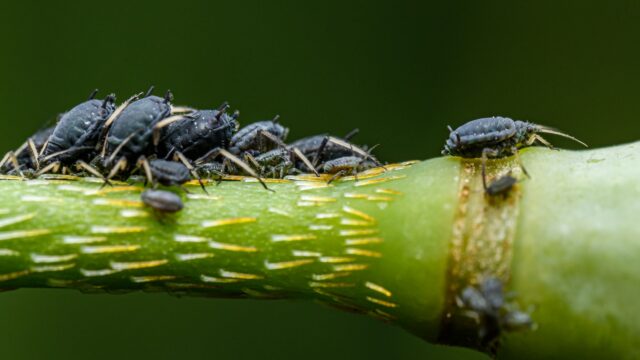
Most aphid outbreaks can be handled with a hose and a little patience. Here's the order that works, and why the ants matter as much as the aphids.
Identify what is eating or infecting your plants and treat it, starting with the least toxic option.
Most aphid outbreaks can be handled with a hose and a little patience. Here's the order that works, and why the ants matter as much as the aphids.
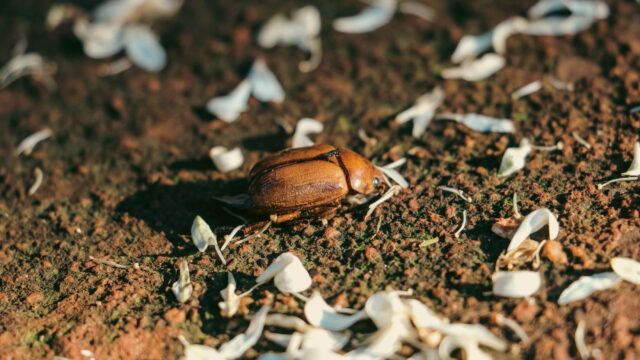
Spongy turf and digging animals are clues, not proof. A square-foot count tells you whether to treat, and the calendar tells you whether it is too late.
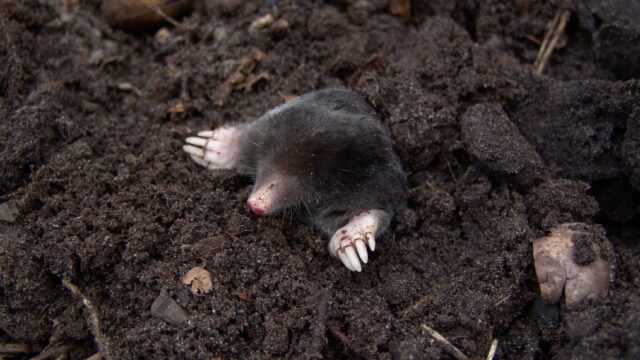
They rhyme, but they are very different pests. Check for ridges or open runways first, because the fix for one does nothing for the other.
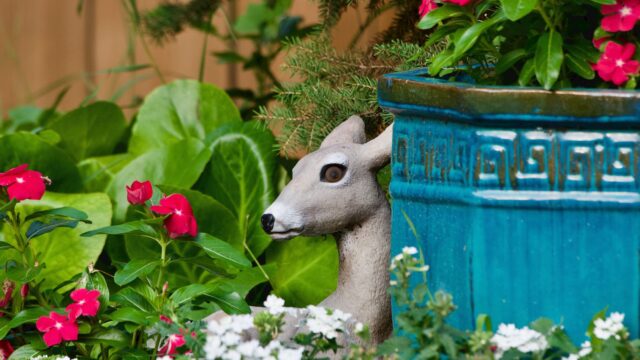
No shrub is truly deer proof, but some defenses work far better than others. Here is how fences, cages, netting and repellents compare, and why sprays need repeating.
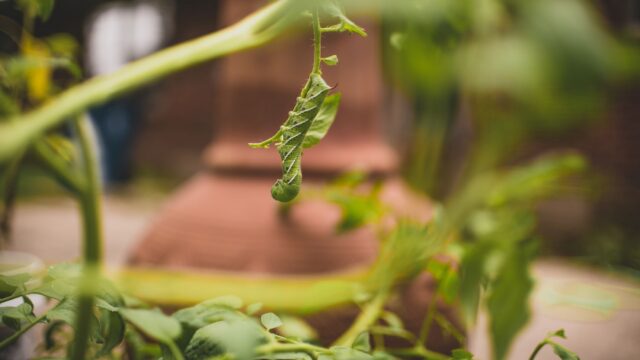
Stripped tops and dark droppings give hornworms away. Hand-picking handles most home gardens, and some caterpillars are better left exactly where they are.
Those tiny flies around your pots are a soil moisture problem more than an insect problem. Dry the surface first, and the rest gets much easier.
Both are lower-toxicity options, but they work in different ways. Soap is the simpler first step, and neem suits a slower, longer job. Don't mix them.
Healthy-looking seedlings that topple overnight usually have damping-off. You can't save the ones that fell, but you can protect the rest of the tray.
They share a name but not a cause. Here's how to identify each in under a minute, and why a spray that works for one may do nothing for the other.
A healthy squash plant that collapses in a day often has a caterpillar inside the stem. Here is how to confirm it, save the vine and stop it next year.
We use analytics cookies to see which articles are read. No ads cookies. Privacy policy