Aeration vs Dethatching: What Each Does and Which Your Lawn Needs
They are not two names for the same job. A wedge of sod and a screwdriver will tell you which one your lawn needs, if it needs either.
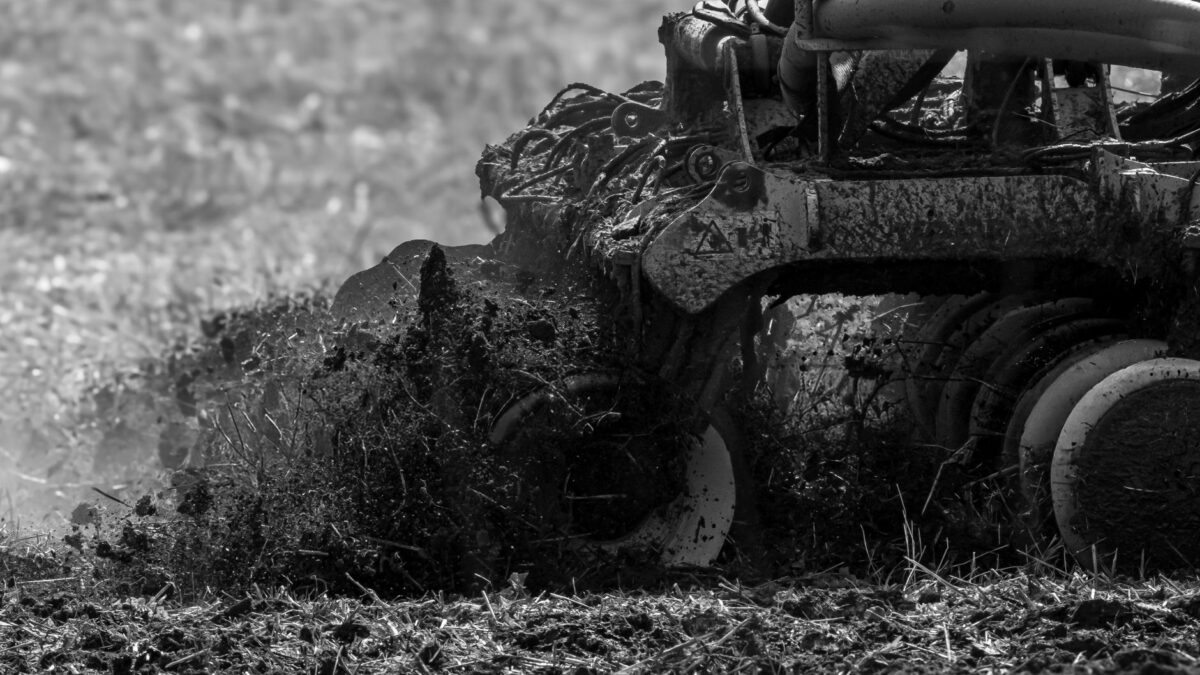
Aeration pulls small plugs of soil out of the lawn to relieve compaction. Dethatching tears out the spongy layer of dead stems and roots above the soil. Measure before you rent anything: if your thatch is 1/2 inch or less, you do not need to dethatch, and if a screwdriver slides easily into moist soil, you probably do not need to aerate either. Of the two, core aeration is the gentler job and the one most often useful.
Side-by-side comparison
| Core aeration | Dethatching | |
|---|---|---|
| What it treats | Compacted soil | Thick thatch |
| Machine | Core aerator with hollow tines | Dethatcher, power rake or vertical mower |
| What you see afterward | Holes and small soil plugs that break down | Piles of dead material to rake up; a rough-looking lawn |
| How hard on the lawn | Fairly mild | Rough; do it only when the grass can recover |
| Cool-season timing | Fall or early spring | Late August through September |
| Warm-season timing | Late spring or early summer | After full green-up, before the hot, dry part of summer |
| Do not do it when | The lawn is dormant, droughty or the soil is bone dry or soggy | Heat, drought or late fall |
How to check your thatch
Some thatch is normal. Michigan State University Extension says a thin layer of 1/2 inch or less helps insulate the plant’s growing point. Too much is a problem because roots grow in it instead of the soil, and it dries out fast.
- Cut a pie-shaped wedge about 2 inches deep from the lawn with a knife or trowel.
- Measure the spongy brown layer between the soil surface and the green shoots.
- Check several spots, since one area may differ from the next.
- Press the wedge back and water it.
University of Minnesota Extension says a layer of 1/2 inch or less is usually not a problem. Penn State sets the bar for dethatching higher, at about 1 inch. In practice, treat 1/2 inch as the point to start watching and something closer to 1 inch as the point to act.
How to check for compaction
Compaction is about soil, not thatch. After a soaking rain or a good watering, push a long screwdriver into the lawn. If it stops hard after an inch or two while the soil is moist, the ground is compacted. Other signs include:
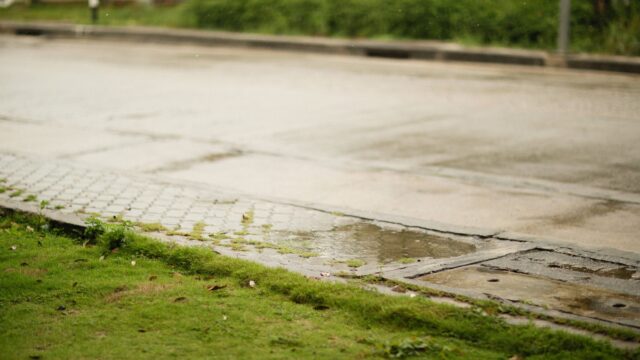
- Water that puddles or runs off instead of soaking in
- Worn paths, play areas and spots where cars park
- Thin grass on heavy clay or on a new-home lot
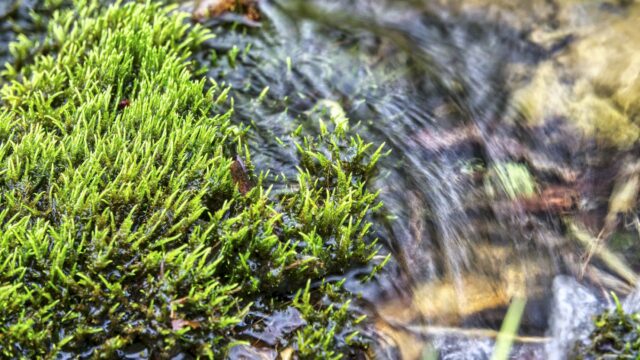
- Moss in sunny or open areas, which can follow poor drainage
Our guide to fixing compacted soil covers other options for garden beds and heavy ground.
Which one does your lawn need?
- Thatch 1/2 inch or less, soil loose: Do neither. Mow, water and fertilize properly.
- Thatch under 1/2 inch, soil hard: Core aerate.
- Thatch 1/2 to 1 inch, soil hard: Core aerate first and keep measuring. It relieves compaction and may help with thatch.
- Thatch over about 1 inch: Dethatch during active growth, and take it gradually.
- Thin grass you want to overseed: Core aerate or slit seed so seed reaches soil. Maryland Extension notes that dethatchers do not create the furrows that help seed.
- Thatch problem keeps coming back: Look at why. Heavy nitrogen and overwatering can speed up thatch, and some spreading grasses make more of it.
Does aeration remove thatch?
Sources disagree here. Penn State says aeration can significantly reduce thatch. Michigan State says dethatching takes out more in one operation, and a University of Minnesota turf newsletter says the thatch benefits of aeration have been overstated in research reports, with compaction relief as the main value. The fair summary: aerate for compaction, and treat any thatch reduction as a bonus.
How to do each job
Core aeration
- Flag sprinkler heads and shallow lines.
- Water the day before if the soil is dry. Ohio State calls for plugs 2 to 3 inches long, taken from moist soil.
- Make passes in two directions. Hollow tines are better than solid spikes, which just punch holes.
- Leave the plugs to crumble.
- Overseed or fertilize afterward if the lawn needs it.
Dethatching
- Mow a little shorter than usual.
- Make sure the soil is moist and the grass is growing.
- Set the machine to reach just into the thatch, not deep into soil.
- Do not try to remove everything at once. University of Georgia advice is to work gradually to limit turf damage.
- Rake up the debris.
- Water thoroughly so exposed roots do not dry out.
If you do both, most guides put dethatching first and aeration second, and only on a lawn that is growing strongly.
Timing traps
- Spring on cool-season lawns. Dethatching in spring can open the turf just as summer annual weeds germinate, so most lawns are better off waiting.
- After a pre-emergent. Illinois Extension says to follow the label on core aeration or dethatching after a pre-emergent application.
- Late fall. Penn State warns against removing thatch in late fall, when winter drying can follow. If you are reading this in November, leave it until your next growth window.
Bottom line
Measure first. Most lawns that have thin grass need core aeration or better care, not a power rake. Save dethatching for thatch well past 1/2 inch, do it when your grass is growing strongly, and overseed afterward if the job leaves gaps. Our guide to when to overseed has the timing.
FAQ
Do grass clippings cause thatch?
Clippings from regular mowing break down quickly and are not the main cause. Thatch is mostly tough stems, runners and roots.
How often should I aerate?
Only when compaction calls for it. A busy lawn on clay may benefit from yearly aeration, while a lightly used lawn on loose soil may rarely need it.
Is a spike aerator or aerator sandals as good as a core aerator?
No. Maryland Extension says solid-spike tools that do not remove soil cores are not as beneficial.
Can I aerate or dethatch in fall on a warm-season lawn?
Avoid it. Warm-season grass needs active growth to recover, so wait for late spring or early summer. For more on patchy turf, see our guide to brown patches.