Should You Rake Leaves or Mulch Them? Decide by Leaf Depth
Mowing leaves into the lawn is fine, up to a point. The test is simple: can you still see the grass after you make a pass?
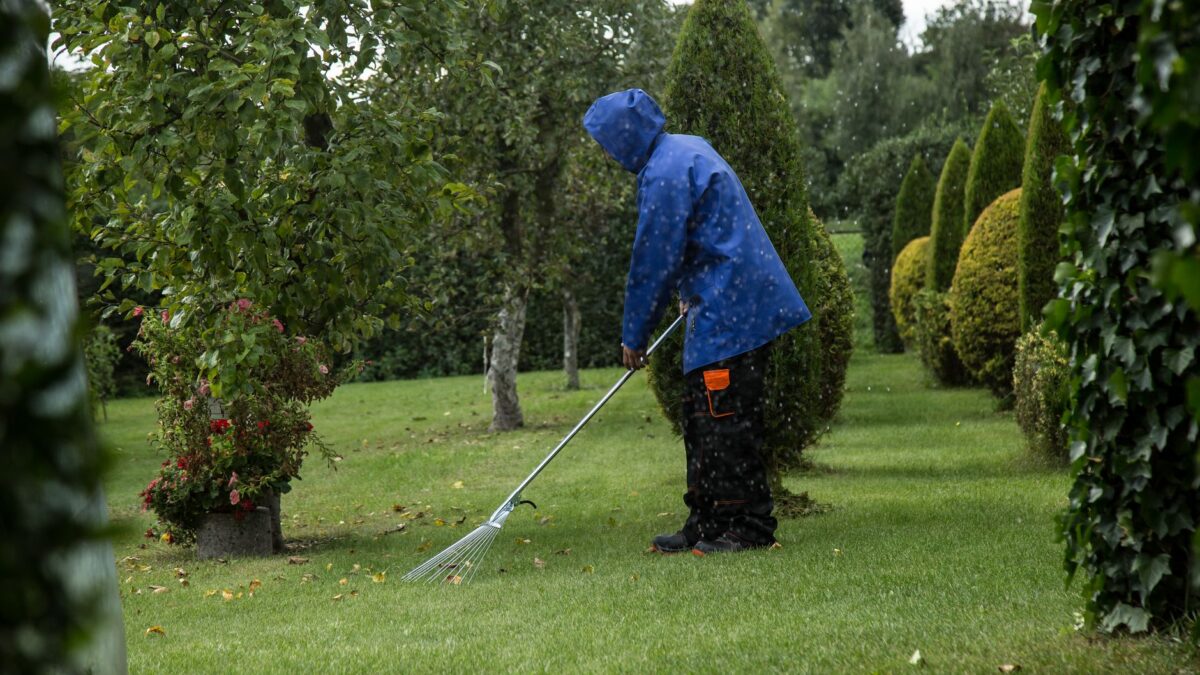
Mulch leaves with the mower as long as you can still see most of the grass after you make a pass. Rake or bag them when the layer is so thick that little or no grass shows, or when they are wet and matted. Thick leaf cover shades the grass, invites snow mold and gives voles a place to hide. Most yards end up doing both: mulch what the lawn can take and move the rest to beds or the compost pile.
The simple test
Mow a strip and look down. If the pieces settle between the blades and you can see green, keep going. If the strip still looks like a brown carpet, you have too many leaves for that pass.
University advice is framed around how much grass shows, not inches of leaves, and the numbers differ a little:
- Iowa State Extension says a thin, dry layer can be mowed with a mulching mower, while a layer where little or no grass is visible needs to be managed.
- University of Minnesota turf staff suggest keeping at least 80 to 90 percent of the grass visible after mulching.
- Another University of Minnesota article is more relaxed, suggesting you mulch until about half the lawn is visible and then bag the rest.
Use those as a range. Being on the cautious side is sensible if your lawn is thin, shaded or prone to snow mold.
Decide by how much is on the lawn
The depths below are rough rules of thumb, not research limits. Your mower, your leaves and how dry they are all change the answer.
| Leaf cover | What to do |
|---|---|
| A light scatter, grass clearly showing | Mow as usual. One pass is enough. |
| Even layer, about an inch, grass still peeking through | Mulch with the mower. Make a second pass if pieces stay large. |
| Several inches, grass mostly hidden | Bag or rake off part first, then mulch what remains. Or use a bagging mower for one pass. |
| Deep drifts, along fences and under big trees | Rake them out. A mower cannot handle this load. |
| Wet or matted leaves | Wait until dry if you can. Rake mats off the grass. |
Mulch, rake or move to beds?
| Mow into the lawn | Rake or bag | Move to beds or compost | |
|---|---|---|---|
| Effort | Lowest, but more frequent mowing in fall | Highest | Medium |
| Nutrients | Stay on site, and can cut fertilizer needs a little | Leave unless composted | Stay on site |
| Best for | Light to moderate leaf fall | Heavy cover, thin lawns | Extra leaves after mulching |
| Risk | Smothering if overdone | Lost organic matter | Matting if piled unshredded |
How to mulch leaves well
- Wait for dry leaves. Wet leaves clump and clog the deck.
- Mow often. Short, frequent passes during leaf fall are far easier than one big job in November.
- Keep the deck high. Michigan State research on low-input lawns found a 3-inch mowing height helped hide leaf bits, since pieces sift down between taller blades. Keep your usual height.
- Cross your first pass on thick areas so pieces get cut a second time.
- Aim for dime-sized bits. Pieces that small drop into the turf and break down over the winter.
- Sharpen the blade. A dull blade shreds grass and handles leaves poorly.
A mulching deck does this fastest, but any rotary mower will chop leaves if you run it over them a few times. Leave the discharge chute safely covered or use the mulch plug if your mower has one. Follow the manual for your machine.
When a layer is too thick
Grass keeps working in fall on sunny days, building reserves for spring. A thick, wet leaf layer blocks light and traps moisture. The University of Minnesota turf team links excess leaf cover to more snow mold and to more winter vole and mouse damage in spring. If those are problems you already see, clear the lawn before the first lasting snow. See our guide to snow mold for what it looks like after melt.
Where to use the extra leaves
- Vegetable beds. Shredded leaves make a useful winter mulch. For a specific crop, see our guide to mulching garlic.
- Flower and shrub beds. Spread a thin, loose layer, keeping it off stems and crowns. Timing matters for tender plants, as our guide to winter mulch explains. Beds are also a good spot if you want to leave leaf litter for overwintering insects.
- The compost pile. Leaves are a classic brown material. Shred them first, and mix them with greens. If your pile stalls, read why compost stops breaking down.
- Leaf mold. Pile wet leaves in a corner or a wire bin and leave them for a year or two.
Skip anything from a plant with a bad disease problem unless you know your pile runs hot enough, and do not pile leaves against tree trunks, where voles can shelter.
What not to do
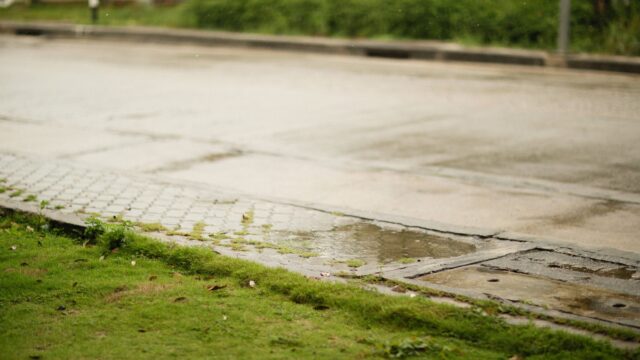
- Do not rake leaves into the street. Illinois Extension warns that leaves in storm drains break down in rivers and lakes and release nutrients, mainly phosphorus. Use your town’s collection rules, and keep leaves off gutters and drain grates.
- Do not burn them. Many towns restrict it, and the smoke is unpleasant for neighbors and irritating to lungs. Check local rules.
- Do not leave a thick layer through winter. A late-season cleanup in spring cannot undo months of smothering.
Bottom line
Let the visible-grass test decide. If you can see most of the grass after mowing, leaves are feeding your soil. If you cannot, take some away. Mow early and often in fall, keep leaves out of the street, and put the surplus to work in beds and compost.
FAQ
Do mulched leaves make the lawn acidic?
This is a common worry. The university guides cited here treat leaf mulching as a soil benefit. If you are concerned, a soil test will tell you your actual pH.
Do I need a special mulching mower?
No. A mulching deck is faster, but a regular rotary mower will work with more passes.
Can I mulch oak leaves?
Yes, though they are tougher and may take extra passes. They also fall late, so plan one more mowing than you think you need.
When should I stop dealing with leaves?
Keep going until the leaves are down and the grass has stopped growing, then make one last pass before snow.