Brown Patches in Your Lawn: Find the Cause, Then Fix It
A brown patch is a symptom, not a diagnosis. Three quick checks at the edge of the patch tell you whether to water, wait, treat or reseed.
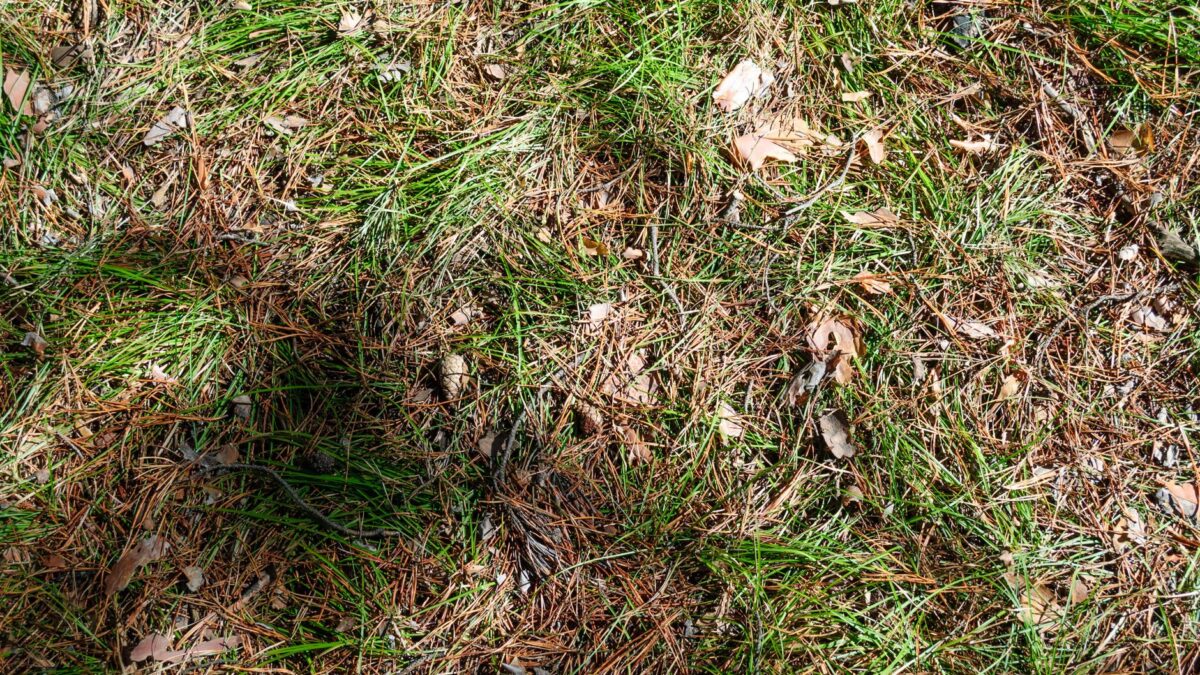
To fix brown patches in a lawn, work out the cause first, because the repair for drought is wrong for fungus and useless for grubs. Check three things at the edge of a patch: its shape, whether the turf holds when you tug it, and the soil and thatch underneath. Dry soil means water, loose turf means grubs, and dead grass of any kind means raking it out and reseeding once the cause is gone.
Three checks that sort out most patches
Do these at the edge of a patch, where brown meets green. The middle of an old patch tells you little.
1. Look at the shape and the blades
Circles suggest disease or something dropped in one spot. Straight lines or stripes suggest the mower, a spreader or a spill. Large, irregular areas on high ground or beside pavement suggest drought. Then pick a few blades. Tan spots with a dark border point to fungus. Blades that are simply dry and folded point to water.
2. Tug the turf
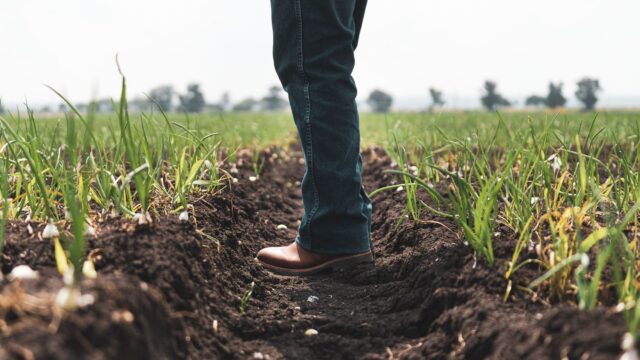
Pull on a handful of brown grass. If it holds firmly, the roots are alive or at least anchored. If the turf lifts like a loose carpet, roots have been eaten or have rotted. Penn State notes that heavy grub damage leaves spongy turf that rolls back. Lifting alone does not prove grubs, so look in the top few inches of soil for white, C-shaped larvae.
3. Check the soil and the thatch
Push a long screwdriver into the patch. If it stops hard while it slides easily into green turf nearby, the soil is dry or compacted. Then cut out a small wedge and measure the brown, spongy layer between the soil and the green. More than about 1/2 inch of thatch keeps roots shallow, and those patches dry out first. Our guide to aeration vs dethatching explains how to deal with it.
What each cause looks like
| Cause | Patch pattern | When | Clue |
|---|---|---|---|
| Drought or dormancy | Large and irregular, on high spots or by pavement | Hot, dry spells | Hard soil; firmly rooted grass; bluish color and lingering footprints before it browned |
| Brown patch fungus | Roughly circular, 6 inches to several feet | Warm, humid weather, nights above 60°F | Tan leaf lesions with dark borders, mostly on tall fescue |
| Dollar spot | Straw-colored spots a few inches wide that can merge | Warm days, cool nights, heavy dew | Small spots scattered over the lawn |
| Grubs | Irregular, spreading | Often most visible in April to May and September to October | Turf rolls back; birds or skunks digging |
| Fertilizer or chemical burn | Sharp-edged spots or stripes | Days after an application or a spill | Matches a spreader path or a place you filled up |
| Scalping | Bumps, ridges or stripes | Right after a low mow | Brown stubble; no live leaf left |
| Dog urine | Circles 3 to 6 inches wide | Any time | Dark green rim around the spot |
How to fix each one
Drought and dormancy
Cool-season lawns often go dormant in a dry summer. NC State notes that brown, withered leaves during summer dormancy are normal, and the crowns can survive. Water deeply and slowly, then wait. If you have been watering and one area stays dry, look for compaction, buried debris, or a sprinkler that misses the spot.
Brown patch and dollar spot
According to NC State Extension, brown patch can start once nights stay above 60°F and is most severe when lows pass 70°F and highs pass 90°F. Leaves must stay wet for 10 to 12 hours or more for the fungus to infect.
- Water before sunrise so the blades dry quickly. Avoid evening watering.
- Do not water every day.
- Hold back nitrogen during hot, humid weather, since excess nitrogen increases severity.
- Mow regularly with a sharp blade and do not let tall fescue flop over.
- Improve drainage and airflow where you can.
Light attacks often grow out when the weather turns cooler or drier. Most home lawns can get by without a fungicide. If you do use one, check that the label allows residential lawns, since many turf products do not, and follow it exactly. Dollar spot is often linked to low nitrogen, so a modest feed during active growth may help it grow out.
Grubs
Count before you treat. A square-foot sample tells you whether grubs are the cause and whether the numbers justify a product. Timing matters too, because many treatments do little once the grubs are large or have moved deep. Our guide to lawn grubs has the counts and a calendar.
Fertilizer burn and spills
Water the area heavily right away to carry salts through the soil. Repeat over the next few days. Dead grass will need reseeding. To prevent it, fill spreaders over a driveway or tarp, sweep up spills, and close the hopper when you turn at the end of a pass.
Scalping
Raise the mower deck. Take off no more than a third of the leaf at a time, and keep the blade sharp, because dull blades tear leaf tips and leave them to wither. On a bumpy lawn, walk the mower across the slopes at a higher setting. Scalped grass with live crowns will regrow in the growing season.
Dog spots
Flush fresh spots with water within a few hours. See our guide to dog urine spots for reseeding by grass type.
Repairing dead patches
Grass that does not green up after two or three weeks of good conditions is usually dead. Fix the cause, then:
- Rake out the dead grass.
- Loosen the top inch of soil.
- Sow seed that matches your lawn at the label rate.
- Press it in and keep the surface moist until it sprouts.
Our guide to repairing bare spots has full steps and timing by grass type. Cool-season lawns do best with early fall seeding, warm-season lawns with late spring or early summer seeding. If you find a brown patch in November, note its cause now and plan the repair for the next window in your zone.
Bottom line
Do not reach for a product until you know what you are treating. The patch shape, a tug at the edge and a look at the soil and thatch will sort out most cases in a few minutes. Water solves drought, weather and watering habits solve most fungus on a home lawn, and a square-foot count decides grubs. Reseed only after the cause is gone.
FAQ
How do I know if brown grass is dead or dormant?
Tug it. Dormant grass stays anchored, and the crowns at the soil line look pale and firm. Dead grass often pulls out easily, and it will not green up after a couple of weeks of water and suitable temperatures.
Will brown patches grow back on their own?
Sometimes. Spreading grasses such as Kentucky bluegrass and bermudagrass can fill small gaps. Tall fescue grows in clumps and fills in poorly, so it usually needs seed.
Does watering at night cause brown patches?
It can encourage them. Brown patch needs long periods of leaf wetness, so watering in the evening adds to the problem. Water before sunrise instead.
Should I put fertilizer on brown patches?
Not until you know the cause. Fertilizer will not revive dead grass, and extra nitrogen makes brown patch fungus worse in hot, humid weather.