How to Harden Off Seedlings: 7 to 14 Day Plan and What Skipping Does
Harden off seedlings over 7 to 14 days by adding outdoor sun and wind a little each day. See a day-by-day plan and what happens if you skip it.
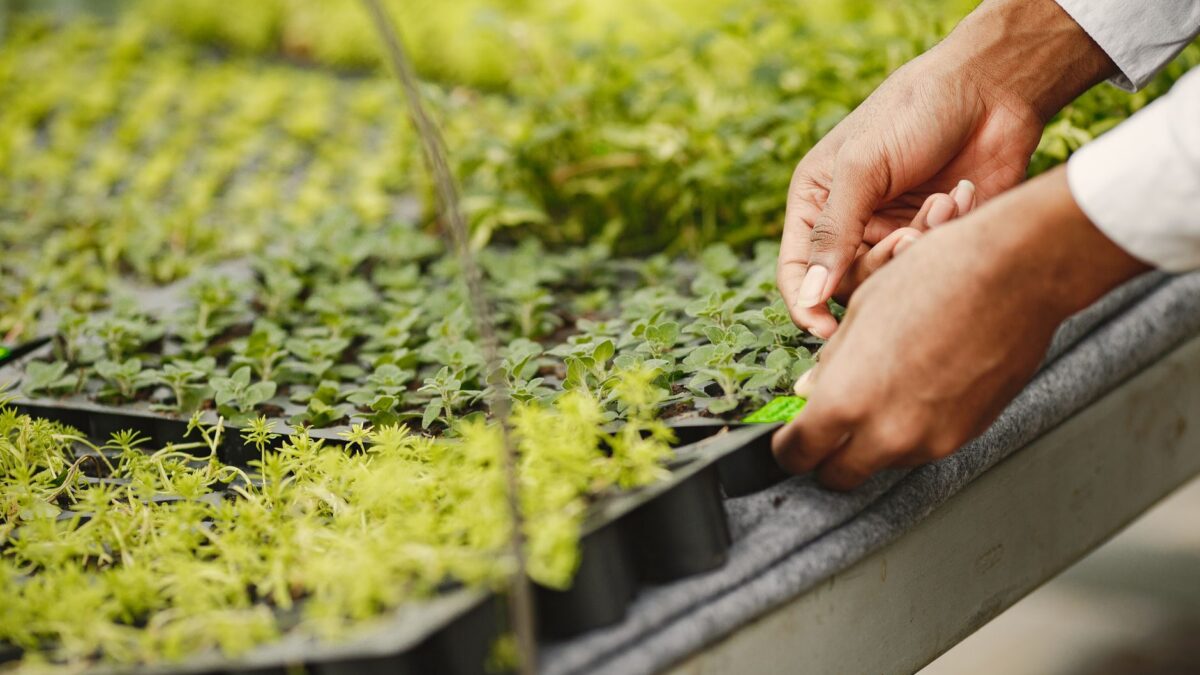
Hardening off seedlings means moving indoor-grown plants outside for a little longer each day over 7 to 14 days, so they adjust to direct sun, wind and cooler nights before you plant them in the garden. Seedlings that skip this step often suffer transplant shock: bleached or scorched leaves from sunscald, wilting, broken stems and a week or more of stalled growth. Badly stressed seedlings can die outright, especially tender crops such as tomatoes, peppers and eggplant.
Why do seedlings need hardening off?
Seedlings raised under lights or on a windowsill grow in calm air, steady temperatures and light that is far weaker than full outdoor sun. Their leaves have a thin protective coating, and their stems have never had to stand up to wind. Outdoors, ultraviolet light, moving air and swings between day and night temperatures all arrive at once.
Gradual exposure lets the plant thicken its leaf cuticle, build sturdier stems and get used to losing water faster. Plants that came out of low light and grew tall and thin need extra care here; if yours look stretched, read about why seedlings get leggy and how to fix it before you start.
How do you harden off seedlings step by step?
Start about one to two weeks before your planned transplant date, once daytime temperatures stay reliably above about 50°F (10°C). A typical schedule looks like this:
- Days 1 and 2: put the seedlings outside for 1 to 2 hours in full shade, somewhere sheltered from wind, such as against a wall or porch.
- Days 3 and 4: leave them out for 3 to 4 hours, with an hour or so of gentle morning sun and shade the rest of the time.
- Days 5 and 6: increase to about 5 to 6 hours, with a few hours of sun. Let them feel light breezes.
- Days 7 and 8: keep them out most of the day with some afternoon sun.
- Days 9 and 10: leave them outside all day in full sun, and overnight if nights stay mild enough for that crop.
- After that: transplant into the garden, ideally on a cloudy day or in the late afternoon so the plants settle in before facing strong sun.
You can stretch the schedule toward two weeks if the weather is cool, cloudy or windy, or if the seedlings were grown under weak light. If a few days of bad weather interrupt the routine, back up a step rather than jumping ahead.
How cold is too cold during hardening off?
The safe minimum depends on the crop. Warm-season vegetables such as tomatoes, peppers, eggplant, squash, cucumbers and basil should come indoors when temperatures drop below about 50°F (10°C), since chilling can damage them even without frost. Cool-season crops such as cabbage, broccoli, kale, lettuce, onions and peas handle nights down to about 40°F (4°C) once they have had a few days outside.
No seedling should be left out during frost. Check the forecast each evening; the National Weather Service issues frost advisories and freeze warnings by area. For timing the final move into the ground, see when to plant tomatoes outside by USDA zone, which uses the same frost-date logic that applies to other warm-season crops.
How should you water and feed seedlings while hardening off?
Water more often outdoors, because small pots dry out quickly in sun and wind. Check the soil once or twice a day and water when the top feels dry. A seedling that wilts badly in a dry pot can lose leaves or die in an afternoon.
At the same time, avoid keeping the mix soggy. Many gardeners let the soil dry slightly more between waterings during this period, which slows soft new growth and helps the plant toughen up. Stop fertilizing during hardening off as well; extra nitrogen pushes tender growth that sunburns and snaps easily.
What happens if you skip hardening off?
Seedlings planted straight from indoors into full sun and open air show several kinds of damage:
- Sunscald: white, tan or papery patches on leaves within a day or two of full sun. Damaged leaves do not turn green again, though the plant can grow new ones.
- Wilting and leaf drop, because the roots cannot keep up with water loss from the leaves.
- Wind damage: bent, broken or twisted stems, and leaves torn at the edges.
- Cold injury: purple or dark, water-soaked leaves on warm-season crops after a chilly night.
- Stalled growth: plants sit without growing for one to several weeks while they recover, which can cancel out the head start of growing them indoors.
Strong, stocky seedlings sometimes survive with only a few scorched leaves. Small or leggy seedlings and heat-loving crops are the ones most likely to die.
Can you rescue seedlings that were planted without hardening off?
Often yes, if the stem and growing tip are still healthy. Shade the plants for several days with a row cover, an old sheet propped on stakes, a lawn chair or a board on the sunny side. Water at the base so the root ball stays evenly moist, and protect them from wind. Leave scorched leaves in place until new growth appears, since they still shield the stem. If cold nights are forecast, cover warm-season plants or dig them up and bring them back in.
Seedlings that collapse at the soil line are a different problem. Stems that pinch and fall over usually point to a fungal disease; see damping-off causes and prevention.
Are there easier ways to harden off seedlings?
A cold frame makes the job simpler: set the seedlings inside, then open the lid a little more each day and close it at night. Covering trays with floating row cover outdoors also softens sun and wind for the first few days. Plants sown directly in the garden, such as beans, carrots and radishes, never need hardening off, which is one reason they suit new gardeners; our list of easy vegetables for beginners covers more of them. The University of Minnesota Extension and other state extension services publish transplanting guidance for colder regions.
Quick answers
Do store-bought seedlings need hardening off?
Plants kept outdoors at the garden center are usually already hardened. Plants sold from a greenhouse benefit from a few days of gradual exposure before planting.
Can I harden off seedlings in a few days?
A shortened schedule of 4 to 5 days works for sturdy cool-season crops in mild, cloudy weather, but tender crops do better with a full week or more.
Can seedlings stay outside at night while hardening off?
Yes, during the last few days, if night temperatures stay above about 50°F (10°C) for warm-season crops or about 40°F (4°C) for cool-season crops.
What time of day is best to transplant hardened-off seedlings?
An overcast day or late afternoon gives the roots several cooler hours to settle before the next full day of sun.