How to Build a Raised Bed: Size, Depth, Materials and Soil Mix
A raised bed works best at 4 feet wide and 10 to 12 inches deep, filled with topsoil and compost. See lumber choices, build steps and fill amounts.
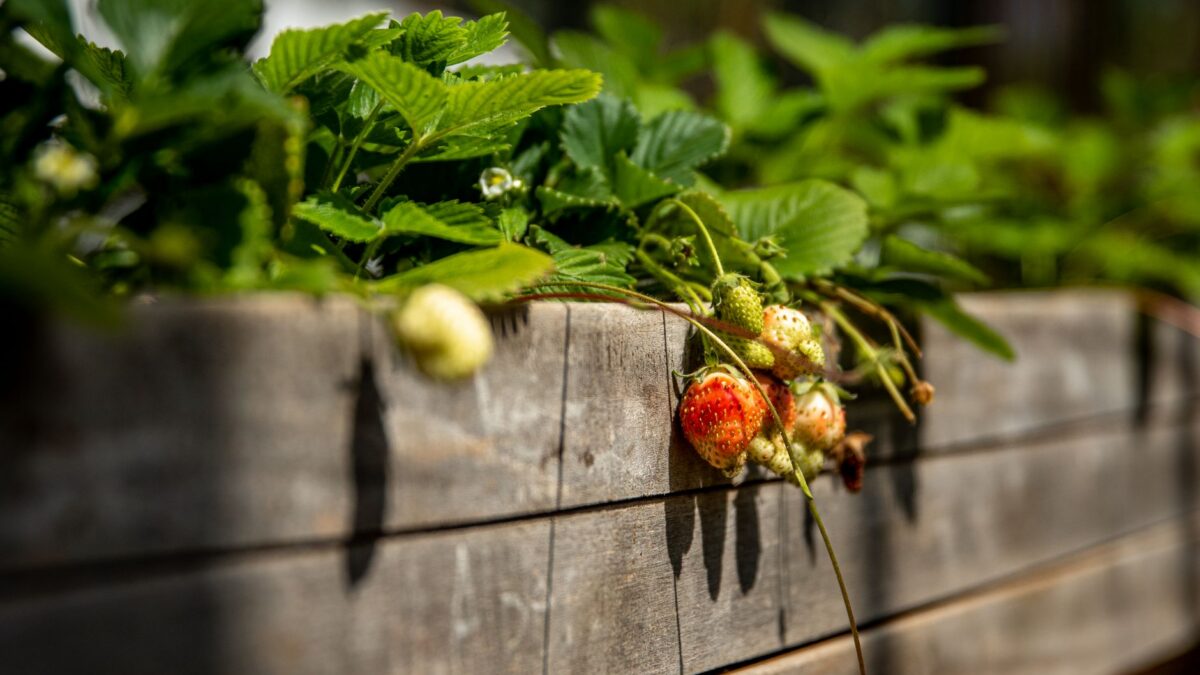
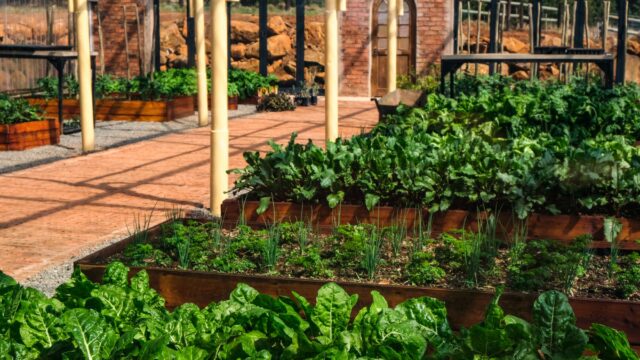
A simple raised bed for vegetables is a bottomless box about 4 feet (1.2 m) wide, 6 to 8 feet (1.8 to 2.4 m) long and 10 to 12 inches (25 to 30 cm) deep, set in full sun. Build it from untreated rot-resistant wood such as cedar or from galvanized steel, then fill it with a blend of roughly 60 percent screened topsoil and 40 percent compost. Most vegetables grow well in that depth and mix, and one person can build the box in an afternoon.
What size should a raised bed be?
Keep the bed no wider than 4 feet (1.2 m) so you can reach the middle from either side without stepping on the soil. If the bed sits against a fence or wall and you can reach it from one side only, make it 2 to 3 feet (60 to 90 cm) wide.
- Length is up to you. Eight feet (2.4 m) is common because lumber is sold in that length, but beds longer than about 10 feet (3 m) push you to walk around them or step across.
- Leave paths of at least 18 to 24 inches (45 to 60 cm) between beds, and wider if you need room for a wheelbarrow or a mower.
- Pick a spot with 6 to 8 hours of direct sun for fruiting crops such as tomatoes, peppers and squash. Leafy greens tolerate a bit less.
- Place the bed close to a hose bib. Raised beds drain faster than ground-level soil and need water more often in summer.
How deep does a raised bed need to be?
Ten to 12 inches (25 to 30 cm) of soil is enough for lettuce, beans, peppers, tomatoes and most other vegetables, provided the ground underneath is loose enough for roots to keep going down. A 2×12 board on edge gives about 11 inches (28 cm) of height.
Build deeper, 18 to 24 inches (45 to 60 cm), in a few situations:
- The ground below is heavy clay, rock, compacted fill or paving that roots cannot enter.
- You want long carrots, parsnips or other deep root crops.
- Bending down is hard and you want a bed you can work while seated on the edge.
Shallow beds of 6 to 8 inches (15 to 20 cm) can work over good native soil, but they dry out quickly. Before building, loosen the ground under the bed with a garden fork. If the soil is hard, the steps in our guide to fixing compacted soil show how to check and break it up.
Which materials are safe for a vegetable raised bed?
Untreated cedar, redwood, juniper and larch resist rot and usually last many years without any treatment. Untreated pine or fir costs less but tends to rot within a few seasons where it touches soil.
- Pressure-treated lumber sold for homes today uses copper-based preservatives instead of the older chromated copper arsenate (CCA). Many extension services consider current treated wood acceptable for food beds. If you want to avoid any doubt, line the inside walls with heavy plastic sheeting or use untreated wood.
- Avoid old railroad ties, which contain creosote, and reclaimed treated lumber of unknown age, which may contain CCA.
- Galvanized steel kits last a long time, warm up quickly in spring and need no carpentry. Choose kits with rolled edges so the tops are not sharp.
- Concrete blocks, bricks and stone are durable. Blocks can raise soil pH slightly over time, which a soil test will show.
Use exterior-grade galvanized or coated screws, which hold better than nails as the wood swells and shrinks.
How do you build a simple wooden raised bed?
A basic 4 by 8 foot (1.2 by 2.4 m) bed needs three 8-foot boards of 2×10 or 2×12 lumber (one is cut in half for the ends), a short length of 4×4 post for corners, and exterior screws.
- Clear the site of grass and weeds, and level the ground along the bed’s outline.
- Cut one board in half to make two 4-foot end pieces. Cut four corner blocks from the 4×4 post, each as long as the board is wide.
- Screw the boards to the corner blocks so the posts sit inside the box. Drill pilot holes to stop the ends from splitting.
- Set the box in place, check that it is level and square, and dig the low side in or pack soil under it as needed.
- On long beds, add a stake or cross brace at the midpoint of each long side so the boards do not bow outward once filled.
- If gophers or moles are a problem, staple galvanized hardware cloth across the bottom before filling.
- To smother grass under the bed, lay plain brown cardboard on the ground inside the box, overlap the edges and wet it. It breaks down in a season.
Avoid landscape fabric under vegetable beds. It blocks earthworms and deep roots and is hard to remove later.
What soil mix should you fill a raised bed with?
A reliable fill for vegetables is about 60 percent screened topsoil and 40 percent finished compost, mixed together. Some gardeners use equal parts of each. Many garden centers also sell a bulk “raised bed mix” or “garden mix” that blends topsoil and compost already.
- Do not fill a large bed with bagged potting mix alone. It is light, costly at this scale, dries out fast and settles a lot. The differences are explained in our article on potting mix versus garden soil.
- Do not use fresh manure or unfinished compost in the fill. Both can burn young roots and tie up nitrogen.
- Ask bulk suppliers where their topsoil comes from and whether it is screened. Lumpy or weedy soil causes problems for years.
Our guide to topsoil, garden soil and compost covers what each bulk product is and when to buy it. Once the bed is filled, a basic soil test tells you the pH and nutrient levels before you add any fertilizer. University extension offices such as University of Minnesota Extension and Penn State Extension run low-cost soil tests and publish raised bed guidance.
How much soil does a raised bed need?
Multiply length by width by depth in feet to get cubic feet, then divide by 27 for cubic yards, the unit bulk suppliers use. A 4 by 8 foot bed filled 1 foot deep holds 32 cubic feet, a little over 1 cubic yard. Bagged soil usually comes in 1 to 2 cubic foot bags, so bulk delivery is often cheaper once you fill more than one bed.
Fill the bed to the top or slightly above. The soil settles during the first season, and you can top it up each spring with 1 to 2 inches (2.5 to 5 cm) of compost.
Quick answers
How often should a raised bed be watered?
Raised beds drain and warm faster than in-ground beds, so they usually need water more often in hot weather. Check the soil a couple of inches down and water when it is dry. Our guide to watering a vegetable garden breaks it down by soil, crop and weather.
Can you put a raised bed on concrete or a patio?
Yes, but make it at least 12 to 18 inches (30 to 45 cm) deep, since roots cannot go below it, and leave gaps or drilled holes at the base so water can drain away.
Should you put rocks or gravel in the bottom of a raised bed?
No. A layer of gravel under soil does not improve drainage and can hold water in the soil above it. Fill the whole depth with your soil mix.
When is the best time to build a raised bed?
Fall is a good time because the cardboard and soil have months to settle before spring planting. Early spring works too, as long as you fill the bed a week or two before planting.