Square Foot Gardening Spacing: How Many Plants Fit in Each Square
Square foot gardening splits a raised bed into 1-foot squares holding 1, 4, 9 or 16 plants. See spacing by crop, bed size, soil mix and layout tips.
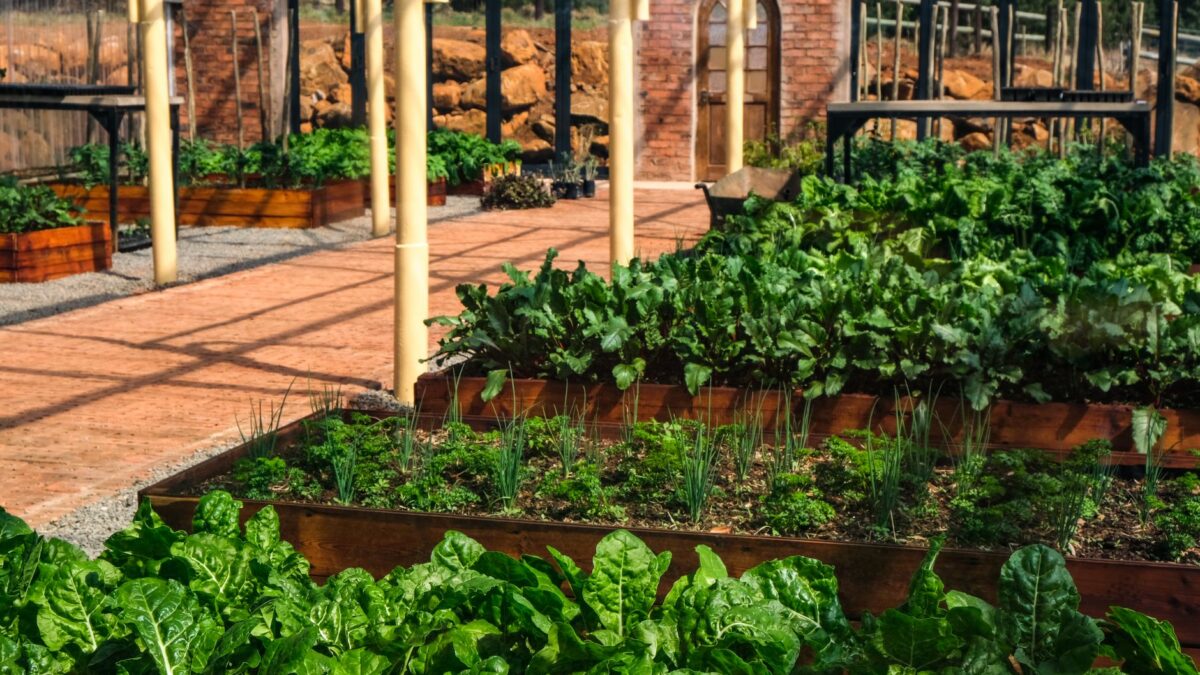
Square foot gardening divides a raised bed into a grid of 1-foot (30 cm) squares and plants each square with 1, 4, 9 or 16 plants, depending on how large the crop grows. A 4 by 4 foot (1.2 by 1.2 m) bed holds 16 squares, which is enough for a mix of salad greens, root crops, herbs and one or two large plants such as tomatoes. Spacing comes from the mature size of each plant, so the planning work is mostly sorting crops into those four groups.
How many plants go in one square foot?
Each square gets a number of plants based on the spacing printed on the seed packet. Use the “thin to” or final spacing, not the row spacing, since square foot beds have no rows.
- 1 per square (12-inch spacing): tomatoes, peppers, eggplant, broccoli, cabbage, cauliflower, kale, and a single large herb such as rosemary.
- 4 per square (6-inch spacing): leaf lettuce, Swiss chard, parsley, marigolds, basil, and onions grown for full-size bulbs.
- 9 per square (4-inch spacing): bush beans, spinach, beets, turnips, and garlic.
- 16 per square (3-inch spacing): carrots, radishes, green onions, and small salad turnips.
To place 4 plants, poke a hole near the center of each quarter of the square. For 9, picture a tic-tac-toe grid and plant one in each box. For 16, divide the square into four rows of four.
What about tomatoes, squash and other big plants?
Large and sprawling crops need more than one square or a vertical support. Plants that spread wide, such as zucchini, summer squash and bush winter squash, usually take a block of 2 by 2 squares or more, and some gardeners give a single zucchini an entire corner of the bed. Indeterminate tomatoes fit in one square only when they are staked or caged and pruned to grow upward.
Vining crops save the most space on a trellis. Cucumbers, pole beans, peas and small melons can grow up a sturdy frame along one edge of the bed. Common guidelines put 2 cucumbers, 8 peas or about 8 pole beans in one trellised square. Heavier fruit such as melons needs slings or a strong frame.
How big should a square foot garden bed be?
A bed 4 feet (1.2 m) wide is the standard because a gardener can reach the middle from either side without stepping on the soil. Against a wall or fence, keep the bed 2 to 3 feet (60 to 90 cm) wide so the back row stays within reach. The length can be whatever the space allows.
Depth matters less than in a regular garden because the grid packs plants closely and roots share loose soil. A depth of 6 inches (15 cm) works for lettuce, herbs and radishes. Carrots, parsnips, potatoes and tomatoes do better with 10 to 12 inches (25 to 30 cm) of soil. Leave paths between beds wide enough to kneel or push a wheelbarrow, often 2 to 3 feet (60 to 90 cm).
What soil goes in a square foot garden?
The classic square foot mix is equal parts compost, a moisture-holding material such as peat moss or coconut coir, and coarse vermiculite. The blend stays loose, drains well and holds water, which supports dense planting. Many gardeners use a mix of good topsoil and compost instead, which costs less and grows healthy plants as long as it drains.
Close spacing uses nutrients quickly. Add a trowel or two of compost to each square every time you replant it, and top up the whole bed each spring as the soil settles.
How do you lay out the grid and plan the bed?
Start by marking the squares so the spacing is easy to follow at planting time. Thin wooden lath, string, old blinds or plastic strips laid across the bed all work as grid lines.
- Pick a spot with at least 6 to 8 hours of direct sun for fruiting crops such as tomatoes, peppers and squash. Leafy greens tolerate less.
- Draw the bed on paper as a grid and write a crop in each square.
- Put tall and trellised crops on the north side of the bed in the Northern Hemisphere so they do not shade shorter plants.
- Keep plants that need frequent picking, such as herbs and lettuce, near the edges you reach most often.
- Mix crops across the bed instead of filling whole rows with one plant. Scattered plantings make it harder for pests to move from plant to plant.
- Check your local frost dates and USDA zone on the USDA Plant Hardiness Zone Map before deciding what goes in first.
If you plan the whole season on paper during the cold months, the approach in a month-by-month calendar for planning a vegetable garden in winter fits well with a square foot grid.
How do you keep every square producing all season?
Replant each square as soon as its crop is finished. A square of radishes harvested in spring can take bush beans in early summer, and the same square can grow spinach or lettuce again in fall. Sow small amounts often: a square of lettuce every two to three weeks gives a steady harvest instead of a glut.
Rotating crop families from square to square each year reduces soilborne disease and pest buildup, even in a small bed. A simple system for this is in a four-year crop rotation plan for small gardens.
What mistakes cause problems with tight spacing?
- Using row spacing from the seed packet, which leaves gaps and wastes squares.
- Planting too many seeds and skipping thinning. Crowded carrots and beets stay small and twisted.
- Letting tall plants shade the rest of the bed because they went in on the south side.
- Watering less often than the bed needs. Raised beds dry out faster than ground soil, especially in summer heat, so check moisture a finger’s depth down before watering.
- Ignoring airflow around squash, cucumbers and tomatoes, which can increase powdery mildew and leaf diseases. Prune lower leaves and train vines upward.
Your local university extension service, such as University of Minnesota Extension, publishes regional planting dates and variety suggestions for raised beds.
Quick answers
Can you use square foot spacing in containers?
Yes. A large container can be divided the same way, as long as it is deep enough for the crop and has drainage holes. A 2 by 2 foot (60 by 60 cm) planter holds four squares.
Is square foot gardening good for beginners?
It is one of the easiest ways to start, because the grid tells you exactly where each seed goes and the small bed is easy to weed and water.
How many 4 by 4 beds feed one person?
The answer depends on what you grow and how long your season is. Many beginners start with one or two 4 by 4 beds for fresh salads and herbs, then add beds once they know what they use most.
Do you need to till a square foot garden?
No. Because nobody walks on the bed, the soil stays loose. Loosen the top few inches with a hand fork and add compost before each new planting.