How to Read a Seed Catalog: Days to Maturity, F1 vs OP, Resistance Codes
Days to maturity is an average from sowing or transplant, F1 seed won't come true if saved, and letter codes name diseases a variety resists.
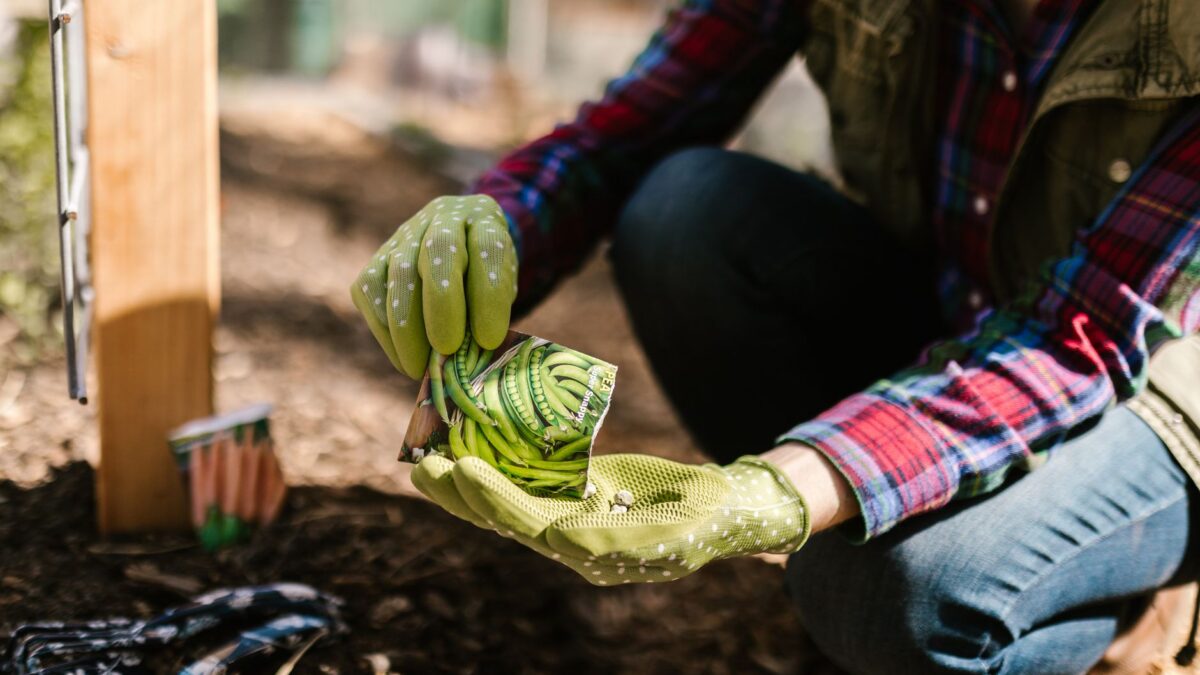
A seed catalog listing packs the most useful facts into three places: days to maturity, which tells you roughly how long a variety needs before the first harvest; the hybrid (F1) or open-pollinated (OP) label, which tells you whether saved seed will grow true to type; and a string of letter codes, which names the diseases the variety resists. Read those three before you read the description, and you can match a variety to your season length, your plans for saving seed and the problems your garden has had before.
What does “days to maturity” actually measure?
Days to maturity is the average number of days from planting to the first harvest under good growing conditions. The starting point depends on how the crop is normally grown:
- For crops usually sown straight into the garden, such as beans, peas, carrots, radishes, squash and corn, the count starts on the day the seed is sown.
- For crops usually started indoors and transplanted, such as tomatoes, peppers and eggplant, the count starts on the day the seedling goes into the garden. A tomato listed at 70 days also needs its 6 to 8 weeks indoors before that clock starts.
Most catalogs say which method they use in an introduction or key near the front. Treat the number as a comparison tool, not a calendar. Cool weather, short days in fall and poor soil stretch it, while a hot summer can shorten it. A 55-day bean and a 65-day bean will finish in that order, even if neither lands on the exact date.
How do I use days to maturity to pick varieties for my area?
Compare the number with the frost-free stretch of your season. Count the days between your average last spring frost and average first fall frost, then leave a margin of 2 to 3 weeks for slow weather and harvest time. Gardeners in short-season areas should favor the lower end of the range for warm-season crops; long-season gardeners can grow the slower, often larger varieties. Days to maturity also helps with timing: work backward from your first fall frost to find the last safe sowing date for a fall crop. A seed starting calendar by crop and zone pairs well with these numbers. Your local university extension service publishes frost dates and variety trial results for your region.
What is the difference between hybrid (F1) and open-pollinated seed?
F1 hybrid seed comes from a deliberate cross between two different parent lines, and open-pollinated seed comes from plants that pollinate naturally and pass their traits on fairly reliably. The difference matters most if you want to save seed.
- F1 hybrids tend to be uniform and vigorous, and many carry disease resistance bred in from one parent. Seed saved from a hybrid will not grow true: the next generation shows a mix of the parents’ traits, so you buy new seed each year.
- Open-pollinated varieties grow true from saved seed as long as they are not cross-pollinated by another variety of the same species. Some crops, such as squash and corn, cross easily and need distance or hand pollination to stay pure.
- Heirlooms are open-pollinated varieties with a long history of being saved and passed down. Every heirloom is open-pollinated; not every open-pollinated variety is an heirloom.
Hybrid does not mean genetically engineered. Crossing two plants is traditional plant breeding, and home garden seed catalogs sell conventional varieties.
What do disease resistance codes like V, F and N mean?
Disease resistance codes are short abbreviations for the diseases or pests a variety can hold off. Tomato codes are the most common:
- V: Verticillium wilt
- F, FF or F2: Fusarium wilt, with extra letters or numbers for additional races of the fungus
- N: root-knot nematodes
- T or TMV: tobacco mosaic virus; ToMV: tomato mosaic virus
- TSWV: tomato spotted wilt virus
- LB: late blight; EB: early blight
Cucumbers, squash and melons often list PM (powdery mildew), DM (downy mildew) and CMV (cucumber mosaic virus). Lettuce, beans and peppers have their own sets. Codes vary somewhat between companies, so check the key in the catalog you are using.
What is the difference between HR and IR resistance?
HR means high resistance and IR means intermediate resistance. A variety with high resistance strongly limits the disease under normal pressure, though it may show some symptoms when disease pressure is heavy. A variety with intermediate resistance slows the disease but will show more symptoms than an HR variety. Neither label means immune. Crop rotation, spacing for airflow and removing infected plants still matter. If wilts or leaf diseases have hit your plants before, look for those codes first; signs such as tomato leaves turning yellow in a pattern can help you work out which disease you had.
What else on a seed listing is worth reading?
Several smaller details change how a variety performs or how you handle the seed:
- Treated seed is coated with a fungicide, often dyed a bright color. Handle it as the packet directs, keep it away from children and pets, and do not use it for sprouts or food.
- Pelleted seed is coated in clay to make tiny seeds, such as carrots and lettuce, easier to space.
- Determinate and indeterminate (tomatoes): determinate plants stay compact and ripen most fruit over a short period; indeterminate plants keep growing and fruiting until frost and need tall support.
- Bolt resistant or slow bolting (lettuce, spinach, cilantro): the plant is slower to flower in heat, which extends the harvest.
- Seed count or weight: packets differ a lot, so compare price per seed, not per packet.
- Packed for year: newer seed germinates better. Leftover packets can be checked with a simple germination test, as explained in this guide to how long seeds last.
Quick answers
Is a lower days to maturity number always better?
No. Faster varieties suit short seasons and late plantings, but slower varieties often give larger fruit or a longer harvest when the season allows.
Can I save seed from an F1 hybrid at all?
You can, but the plants will not match the parent. Some may be useful, many will be weaker or different, so treat it as an experiment.
Does organic seed grow differently?
Certified organic seed is produced on organic farms and is not chemically treated. The variety itself behaves the same as conventional seed of the same name.
Why do codes differ between catalogs?
Companies use their own abbreviations for some diseases. Each catalog has a key, usually near the front or on the website’s variety page.