Why Are My Tomatoes Not Turning Red? Causes and How to Finish Them
Green tomatoes that refuse to color are usually waiting on the weather. Here is what is holding them back and how to finish them indoors before frost.
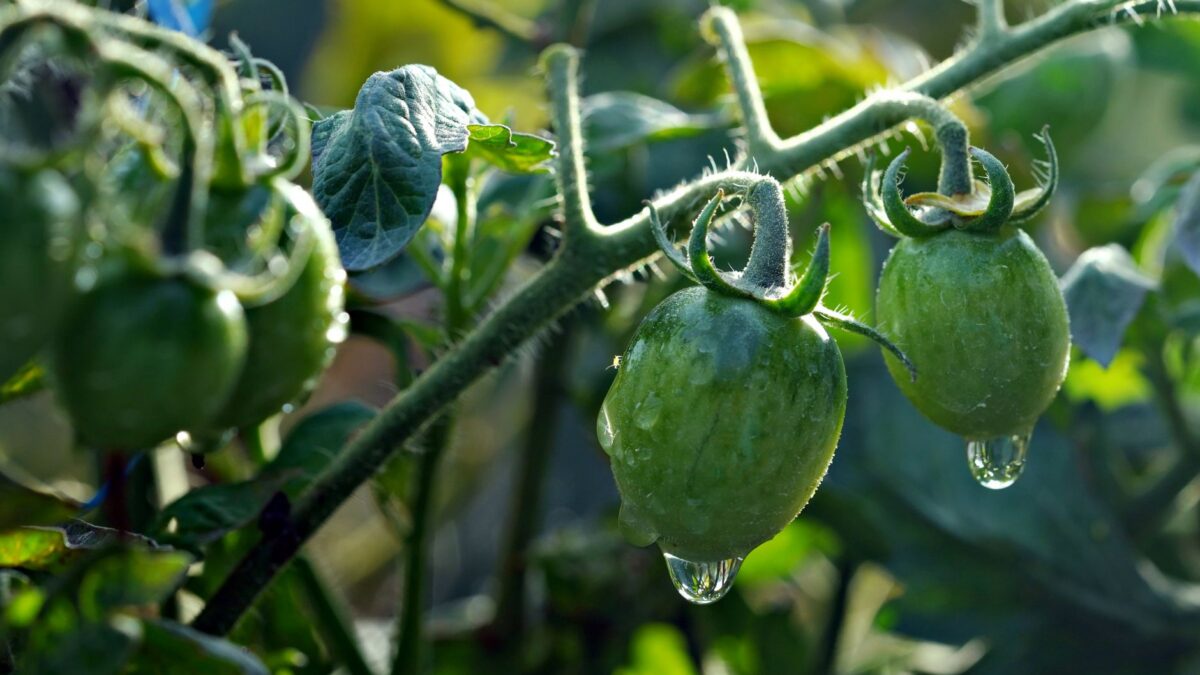
Tomatoes usually stall because of temperature. Fruit ripens best between about 68 and 77°F, and above 85°F the plant struggles to make the pigments that turn fruit red. In a heat wave, wait it out or pick at first blush and finish fruit indoors. In fall, pick full-sized fruit before frost and ripen it inside at around 60 to 70°F.
Why green tomatoes stall
| Cause | Temperature note | What you see | What to do |
|---|---|---|---|
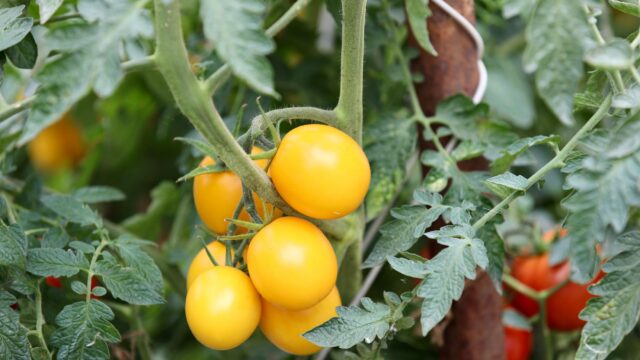
| Heat | Above 85°F, lycopene and carotene production falters | Fruit sits green or turns yellowish orange | Wait for cooler weather, or pick at first blush |
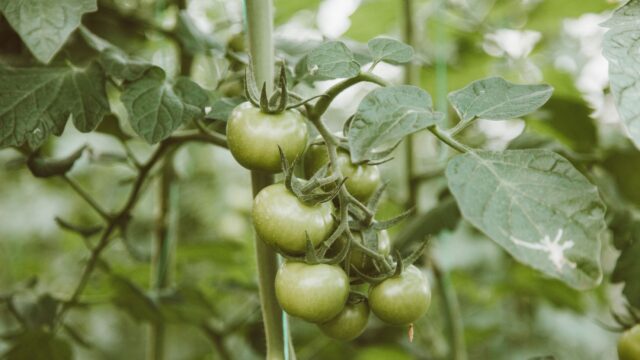
| Cool weather | Ripening slows the further temperatures fall below 68°F and may stop | Hard green fruit in late season | Pick mature fruit before frost; ripen indoors |
| Fruit not mature yet | Not temperature related | Dark green fruit still sizing up | Be patient; color comes after full size |
| Rain, cloud or smoke | Not a set threshold | Slow or uneven color after dull weather | Wait; ripening usually returns when weather improves |
| Shade or heavy foliage | Cooler, dimmer conditions slow plants | Spindly plants, late fruit | Choose a sunnier spot next year |
| Too much nitrogen | Not temperature related | Big leafy plants, few or late fruit | Stop feeding nitrogen; test soil next year |
| Variety | Not temperature related | Fruit stays green or pale when ripe | Check the plant tag; some types ripen green, yellow or striped |
The temperature numbers that matter
Purdue University gives 68 to 77°F as the best range for ripening mature green tomatoes, and it notes that above 85°F the plant does not produce lycopene and carotene, so fruit can look yellowish green to yellowish orange instead of red.
University of Illinois Extension adds that ripening slows the further conditions move outside that range and may stop if they persist. It also points to potassium uptake: rain, cloudy days and wildfire smoke can reduce it even when a soil test looks fine, which can delay ripening. Those are weather effects you cannot fix directly, so the advice is simply to wait.
On the cool side, unripe fruit should not be held below 50°F, so a refrigerator is the wrong place for green tomatoes.
How to finish tomatoes on the vine
If frost is not close, the vine is the easiest place to finish fruit.
- Stop feeding nitrogen. Extra leaves do not help now.
- Keep watering evenly. Swings between dry and wet soil can bring on other fruit problems such as blossom end rot.
- Late in the season, consider pinching off new flowers. Small fruit that forms now is unlikely to finish, so this leaves more energy for fruit already on the plant.
- Watch the forecast. A light frost can kill tomato plants outright. For a one-night cold snap, see how to protect plants from frost.
How to finish tomatoes off the vine
Which fruit will ripen
Pick fruit that has reached full size and shifted from dark green to a lighter, whitish green, or that shows a little blush. Fruit that is firm and free of defects stores best. Small, dark green fruit will shrivel rather than ripen.
Box method
- Just before the first frost, harvest mature, firm, undamaged fruit and remove the stems.
- Clean and dry the fruit.
- Wrap each tomato in newspaper.
- Lay them in a single layer in a box or on a table in a cool, dark place at about 60 to 65°F, such as a basement.
- Check often and remove any that begin to rot.
- When fruit starts to color, unwrap it and bring it to room temperature.
This is the method Iowa State University recommends. Warmer storage speeds things up. Clemson’s figures put mature green fruit at eating stage in about 14 days at 65 to 70°F, or 25 to 28 days at 55°F, so you can stagger your supply by moving some to a warmer spot.
Paper bag method
For fruit that is already turning, place tomatoes stem end up in a paper bag with several holes punched in it and fold the top closed. The bag holds in ethylene, the natural gas that drives ripening. University of Illinois Extension says to expect one to five days and to check daily. Adding a tomato that is already ripe helps keep the process going.
Whole plant method
Pull up the whole plant with fruit attached and hang it upside down in a cool, dark place, then pick tomatoes as they ripen. It takes space, and soil can drop onto the floor, but it saves picking every fruit.
Does it need to be sunny?
No. Iowa State recommends a dark place for storing green fruit, and a sunny windowsill can overheat tomatoes. Warmth, not light, sets the pace once fruit has reached the mature green stage.
Planning for next year
If tomatoes keep running out of season, choose varieties with fewer days to maturity, plant at the right time for your area and give them full sun. Our calendar on when to plant tomatoes helps with timing.
Bottom line
Stalled tomatoes are usually waiting for temperatures between the high 60s and high 70s. In summer heat, wait or pick at first blush. In fall, bring in full-sized fruit before frost and ripen it somewhere around 60 to 70°F, away from the refrigerator.
FAQ
Do green tomatoes ripen after picking?
Yes, if they have reached full size and started to pale. Small, dark green fruit generally will not.
Should I put green tomatoes in the refrigerator?
No. Clemson warns against exposing unripe tomatoes to temperatures below 50°F. Refrigerate only if you need to hold fully ripe fruit for a short time.
How can I speed up ripening?
Move fruit somewhere warmer, up to about 70°F, and keep it in a loosely closed paper bag or a box with a ripe tomato.
What can I do with tomatoes that will not ripen?
Firm green tomatoes can be fried, pickled or cooked into relish. Throw out fruit with rot or disease spots.