How to Fix Blossom End Rot on Tomatoes, Peppers and Squash
That dark, sunken patch is not a disease, and it usually does not mean your soil lacks calcium. Steady watering fixes most cases.
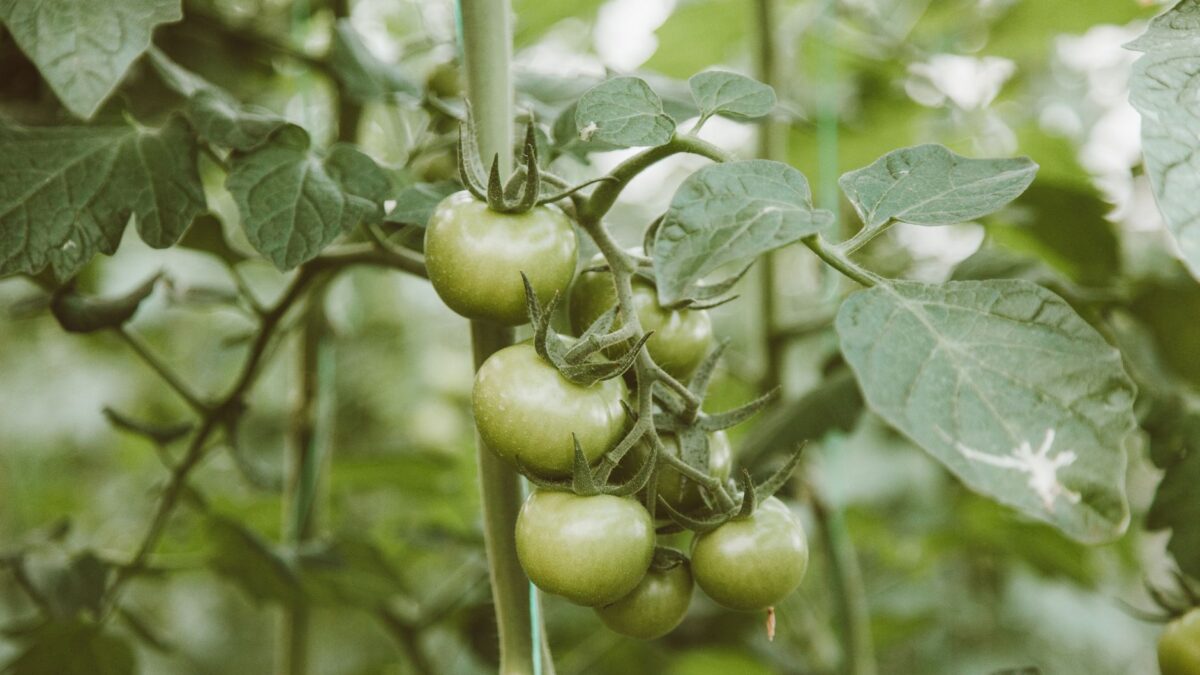
To fix blossom end rot, remove the damaged fruit, water deeply and evenly, and mulch the soil. The dark patch comes from a shortage of calcium in the fruit itself, which is usually caused by uneven water supply rather than a lack of calcium in the soil. Skip the calcium sprays, since they do not reach the fruit. Later fruit is often fine once watering settles down.
What blossom end rot looks like
A soft, bruise-like spot forms on the end of the fruit opposite the stem. It grows, turns dark brown or black, and sinks into a leathery patch. It is most common on tomatoes and peppers, and it can also affect squash and watermelon. The first fruit of the season are often hit hardest, especially when fast-growing plants meet a dry spell.
It is a physiological disorder, not an infection. It does not spread from fruit to fruit, and fungicides will not help. Mold or bacteria sometimes move into the damaged tissue later, but they are taking advantage of the injury, not causing it.
Two look-alikes are worth knowing. On peppers, early blossom end rot can resemble sunscald. On zucchini and summer squash, very small fruit that shrivels and rots from the tip is more often a pollination problem. See zucchini flowers but no fruit for that one.
Why it happens
Calcium moves up from the roots with water. When the water supply is interrupted, so is the calcium delivery, and the far end of a fast-growing fruit runs short first. That is why it can appear in soil with plenty of calcium.
| Cause | Why it matters | What to do |
|---|---|---|
| Uneven watering or drought | Less water moving means less calcium reaching fruit | Water deeply on a steady schedule; mulch |
| Root damage | Hoeing or tilling near plants cuts roots and limits uptake | Pull weeds by hand; rely on mulch |
| Waterlogged soil | Roots grow slowly in soil that is too wet or too dry | Improve drainage; ease off watering |
| Low soil pH | Calcium is less available below about pH 6.0 | Soil test; lime well before planting if advised |
| Too much nitrogen | Lush leaves pull water and calcium away from fruit | Cut back on feeding during bloom and fruiting |
| Excess ammonium, potassium, magnesium or sodium | These compete with calcium for uptake | Do not add Epsom salt or extra potash unless a test calls for it |
| Cold spring soil | Cold roots take up less calcium | Wait for warm soil before planting |
| Genuinely low soil calcium | Uncommon in many regions | Follow your soil test; lime or gypsum depending on pH |
| Variety | Plum and pear types are more prone; cherry types are not known to develop it | Choose less prone varieties next year |
How to fix it, step by step
- Remove affected fruit. It will not recover, and taking it off stops the plant from spending more energy on it. The University of Kentucky recommends this as soon as you see the problem.
- Soak the root zone. Give plants a deep watering, then keep to a regular routine. Our guide on how often to water vegetables has a schedule by soil type.
- Mulch. A layer of straw, pine straw or shredded leaves slows evaporation and keeps soil moisture steady.
- Consider drip irrigation. A drip line or soaker hose on a timer is the easiest way to keep moisture even, especially during hot weather.
- Keep tools away from the roots. Avoid hoeing or tilling near established plants.
- Hold the fertilizer. Do not add high-nitrogen feed while plants are blooming and setting fruit.
- Test the soil. Before next season, take a sample and follow the lime and fertilizer advice. How to read a soil test walks through the report.
Why calcium sprays do not work
Calcium sprays look like the obvious fix, but Clemson’s Home and Garden Information Center explains the problem: calcium in leaves cannot move through the phloem into the fruit, and fruit skin cannot absorb it directly. The University of Kentucky reaches the same conclusion. The same logic applies to other quick calcium fixes: if your soil already holds enough, adding more does not solve a delivery problem.
Epsom salt is an even worse idea here. It supplies magnesium, not calcium, and too much magnesium competes with calcium for uptake. University of Minnesota Extension warns it can make the problem worse.
If your soil really is acidic
Kentucky’s guidance says most vegetables prefer a pH of 6.5 to 7.0 and that calcium becomes less available below 6.0. Lime is the usual correction, and it works best when applied several months before planting, so it is not a mid-season rescue. If a test shows low calcium but pH is already right, Clemson suggests gypsum instead. Our guide on raising or lowering soil pH compares the options.
Can you eat the fruit?
The extension fact sheets focus on removing damaged fruit rather than using it, so there is no official green light to rely on. Many gardeners cut well around the dark patch on a fruit that is otherwise firm. Throw out anything soft, moldy or sour smelling, because rot organisms may have moved in.
Bottom line
Blossom end rot is a sign of uneven water supply far more often than a sign of poor soil. Pick off the damaged fruit, water steadily, mulch, keep tools away from the roots and go easy on nitrogen. Save the soil test for planning next season, and leave calcium sprays on the shelf.
FAQ
Will the plant recover from blossom end rot?
Usually, yes. The damaged fruit will not heal, but fruit that forms after moisture evens out is often normal.
Is blossom end rot contagious?
No. It is a disorder, not a disease, so it cannot spread to other plants.
Do crushed eggshells prevent it?
Do not count on them. Most soils already hold enough calcium, and the usual problem is getting it to the fruit with steady water.
Why are only my first tomatoes affected?
Early fruit often forms while plants are growing fast and roots are still limited, so any dry spell hits hard. It often fades as the season goes on.