Why Is My Apple Tree Dropping Fruit? Causes by Timing
A carpet of small green apples looks alarming, but it's often the tree doing its own thinning. The date of the drop tells you when to worry.
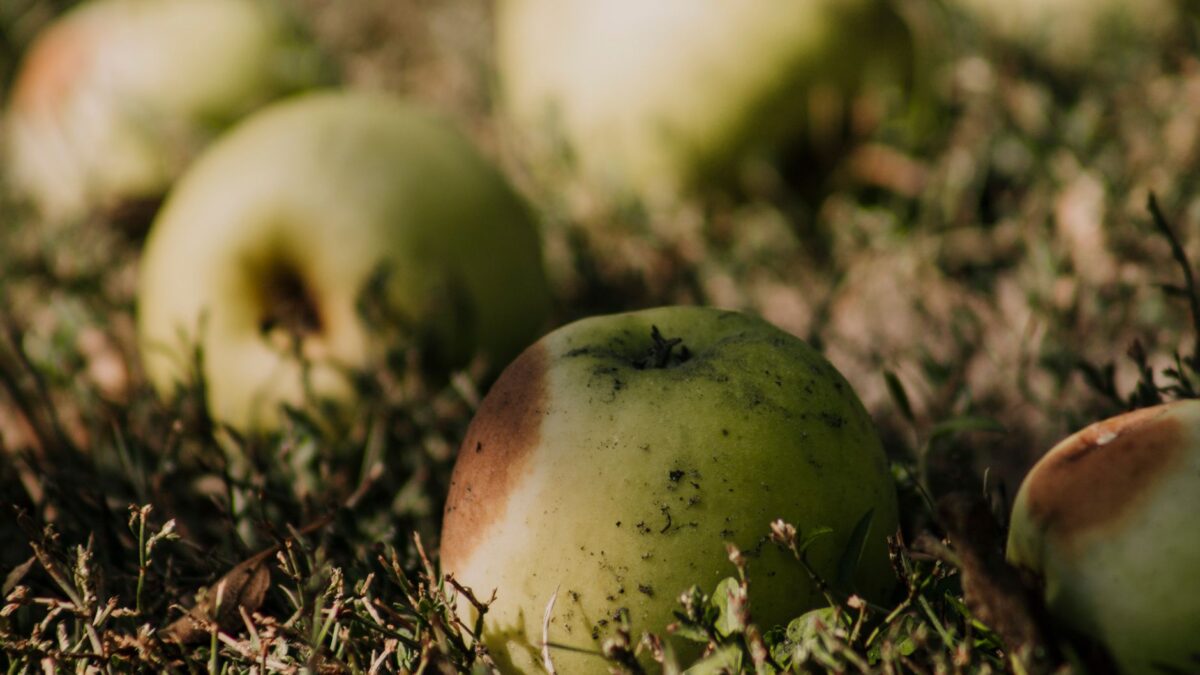
Small fruit falling in late June or early July is usually June drop, a normal shedding of what the tree can’t carry. Drop right after bloom suggests poor pollination or frost, drop with marks on the fruit suggests insects, and drop close to harvest is often a too-heavy crop or a variety trait. Note the date and cut a few fallen fruits open, since those two clues usually settle it.
Causes by timing of the drop
The dates below fit northern and central US orchards. Warmer zones run earlier, so count from bloom if your calendar doesn’t match.
| When it drops | Likely cause | Clues | What to do |
|---|---|---|---|
| Within a few weeks after petal fall | Poor pollination or frost | Tiny fruit, yellowing stems, cold or wet bloom, no partner tree | Check for a pollination partner, protect bloom from frost next year |
| Late June to early July, about eight weeks after flowering | June drop | Small, clean fruit, with a good crop still on the tree | Nothing, or thin what remains |
| Any time from fruit set to midsummer, with damage | Insects such as curculio, codling moth, apple maggot or sawflies | Scars, holes, tunnels, or grubs inside when you cut the fruit | Collect dropped fruit, ask Extension for a local pest schedule |
| Hot, dry spells in summer | Drought or heat stress | Dry soil, limp leaves, young or shallow-rooted trees worst hit | Water deeply and mulch |
| After storms | Wind or hail | Sudden drop of larger fruit, bruising, broken twigs | Clean up, and thin next year to reduce heavy clusters |
| Weeks before harvest | Pre-harvest drop | Healthy, ripening fruit falling, more on some varieties | Pick promptly, thin better next year |
What June drop is, and why it happens
Trees set more fruitlets than they can bring to maturity, so they let the surplus go. The Royal Horticultural Society says fruitlets usually fall over a short period peaking around early July, about eight weeks after flowering, and the University of Minnesota gives late June or early July for apples.
The trigger is largely a shortage of energy. Young fruit competes for carbohydrates, and cool, cloudy weather or warm nights can tighten supply, so more fruit falls. Young trees are often hit hardest, and the problem tends to ease as they mature.
If plenty of fruit remains on the branches once the drop ends, there’s nothing to fix. Pears, plums and cherries behave the same way, though a heavy drop matters more on small-fruited trees, where more fruit has to set for a full crop.
How to tell normal from a problem
- Cut several fruits open. Clean flesh and small or missing seeds point to a natural drop or poor pollination. Tunnels, droppings or larvae point to insects.
- Look at the skin. Crescent-shaped scars are a typical sign of plum curculio. Other small punctures or lumpy, misshapen fruit also suggest insect feeding.
- Look up. A good crop still hanging is reassuring. A bare tree after a spring frost, or after bloom with no partner nearby, is a different story. See why a fruit tree isn’t producing.
- Look down. Dig a few inches near the drip line. Dust-dry soil means water is part of the answer.
Japanese beetles chew leaves and ripening fruit, and heavy feeding adds to tree stress. Our guide to Japanese beetles covers options, least toxic first.
How thinning helps
Thinning means removing some young fruit by hand. It gives bigger fruit, reduces the load on branches, cuts late-season drop, and evens out alternate-year cropping. You can’t prevent June drop outright, but you can take the decision away from the tree.
Advice on timing differs. Minnesota suggests thinning in early June to get ahead of the drop, while the RHS suggests waiting until the natural drop has finished and completing the job by mid-July. Either way, thin before the fruit gets large. University of Arizona Extension warns that thinning too early can split pits in stone fruits, and thinning too late limits how much the remaining fruit can size up.
| Fruit | Thin when fruit is about | Rough spacing |
|---|---|---|
| Apple, pear | ½ to 1 inch across | One fruit per cluster, 6 to 8 inches apart |
| Peach, nectarine | ¾ to 1 inch across | 3 to 5 inches apart |
| Plum, apricot | ¾ to 1 inch across | 2 to 4 inches apart |
Guides vary, so treat the spacing as a range. If a tree has a light crop overall, thin less.
- Remove any damaged, misshapen or scarred fruit first.
- In each apple or pear cluster, keep the single best fruit. The center fruit, called the king, is often the largest, but drop it if it’s misshapen.
- Space out what’s left along the branch, using the table above.
- Twist fruit off or snip the stem with small scissors so you don’t tear the spur.
- Pick up the thinned fruit, so pests in it don’t get a chance to finish developing.
Reducing stress drop
A tree in good condition holds fruit better, though it will still shed some.
- Water in dry spells. Soak slowly across the root zone, especially on young trees, then mulch to hold moisture.
- Go easy on nitrogen. The RHS notes too much nitrogen can itself cause fruit loss.
- Let light in. If severe drop happens year after year, a canopy thinned in the proper season helps the leaves feed the fruit.
- Protect bloom. Keep insecticides off open flowers, and cover small trees on frost nights using our frost protection steps.
What to do with dropped fruit
Rake it up and remove it often, particularly if you’ve found insects, since larvae in the fruit may otherwise move into the soil and return next year. The University of Minnesota advises that dropped fruit shouldn’t be eaten. Insect-damaged fruit is better bagged than added to a cool pile; our guide on composting problem plants explains why.
Bottom line
If small, clean fruit falls in late June or early July and a fair crop stays on, it’s June drop and you can relax. Check the timing, cut open a few fruits, and only act if you find insects, dry soil or a bloom-time problem. Thinning by hand each year is the most useful habit you can build.
FAQ
Is it normal for an apple tree to drop fruit?
Yes. Trees often set more fruit than they can carry and shed the excess in early summer. Some late drop near harvest is normal too.
Why is my young apple tree dropping all its fruit?
Young trees often shed heavily because they have limited reserves. Many gardeners remove most fruit in the first few years anyway so the tree builds roots and branches.
Should I remove the king apple when thinning?
Advice varies. It’s usually the largest fruit in the cluster, so many extension sources keep it unless it’s misshapen, in which case keep the next-best one.
How do I stop apples from dropping before harvest?
Thin properly earlier in the season, keep the tree watered, and pick as soon as fruit is ready. Some varieties simply drop more than others.