Can You Compost Diseased Plants? What’s Safe and What to Trash
The answer depends on the disease and on how hot your pile really gets. Most home piles are cooler than gardeners think, so here is a simple way to decide.
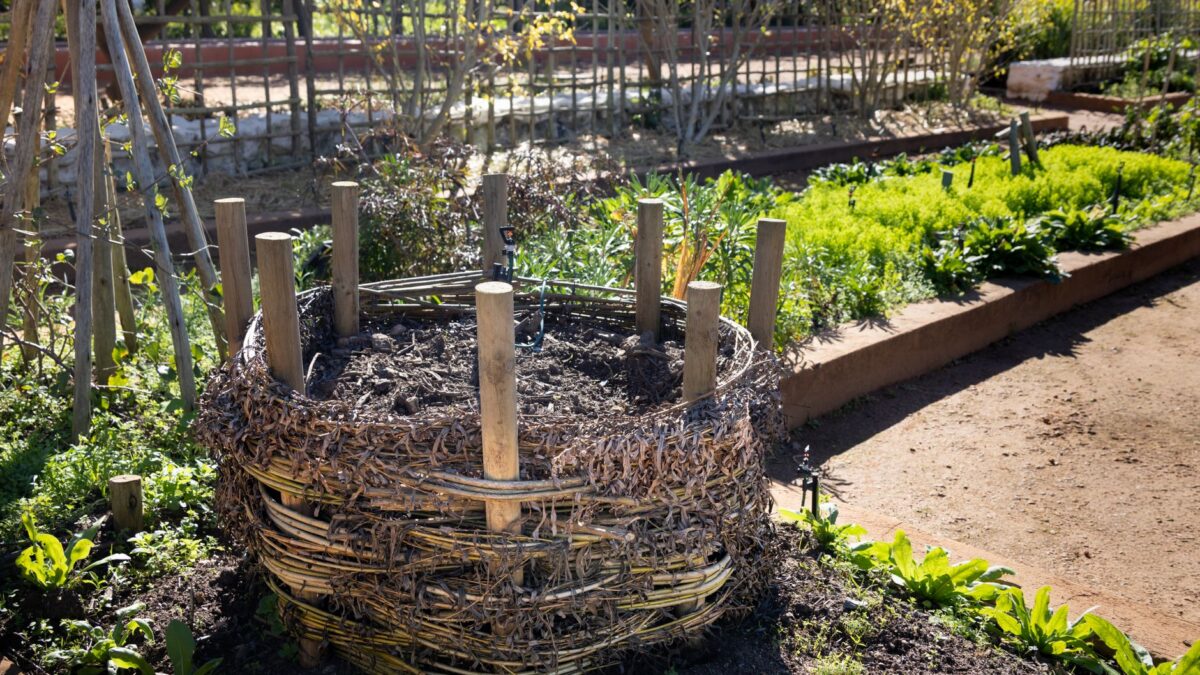
In a cold or casual compost pile, no: keep diseased plants out. A well-managed hot pile can handle many common leaf diseases, but only if every part of it reaches killing temperatures. Whatever your setup, bag late blight, wilt diseases, viruses and clubroot for the trash. When you are unsure, follow the extension rule of thumb: if in doubt, throw it out.
Hot pile versus cold pile
The difference is temperature, and how evenly the heat reaches everything in the pile.
| Hot pile | Cold pile | |
|---|---|---|
| How it is built | About 1/2 to 1 cubic yard of mixed material at once | Added to a little at a time |
| Temperature | Reaches 130°F or higher | Stays near outdoor temperature, with mild warmth at most |
| Turning | Turned so outer material moves to the hot core | Rarely turned |
| Diseased plants | Some, with care | No |
| Weed seeds | Reduced if the whole pile heats | Survive |
How hot is hot enough? Sources differ. Oregon State University says pathogen and weed seed reduction occur when compost stays at 131°F or above for three days. Colorado State University sets a stricter bar for home gardeners: all parts of the pile should reach 145°F for at least three days, and it says 130°F only partly reduces weed seeds and pathogens. It also advises against composting diseased plants at all.
Small piles are the catch. Oregon State notes that a pile needs about half to one cubic yard of fresh material to sustain the heat, and the outside of any pile stays cooler than the center. A warm, steaming pile is not proof it is hot enough. The only way to know is a long-stemmed compost thermometer.
Yes or no, by problem
| Problem | Cold pile | Hot pile | Best option |
|---|---|---|---|
| Healthy end-of-season plants | Yes | Yes | Chop and add |
| Frost-killed plants | Yes | Yes | Chop and add |
| Fruit with blossom end rot | Yes | Yes | It is a disorder, not a disease |
| Plants chewed by caterpillars, no disease | Usually | Yes | Pick off the pests first |
| Heavy pest infestation | No | With care | Bag, since some pests overwinter in debris |
| Early blight or septoria leaf spot | No | Only if it truly stays hot | Trash if unsure |
| Other leaf spots and mildews | No | Only if it truly stays hot | Trash if unsure |
| Late blight | No | No | Bag for the trash |
| Fusarium or verticillium wilt | No | No | Bag for the trash |
| Virus-infected plants | No | No | Landfill, or burn where allowed |
| Clubroot | No | No | Bag for the trash |
| Weeds with seeds | No | Only if it truly stays hot | Trash |
| Clippings or hay treated with persistent herbicide | No | No | Keep out of the garden entirely |
This table takes the cautious side. A University of Massachusetts source says diseases as damaging as late blight should not be composted. Wilt fungi are soil-borne and can last for many years, so University of Wisconsin Extension advises removing and destroying infected tissue. NC State Extension says tomato yellow leaf curl plants should go to the landfill or be burned. Clubroot spores are known for surviving a long time, and research has found that eliminating them depends on both temperature and moisture, which a home pile cannot be counted on to deliver.
Herbicide is a separate issue. Picloram, clopyralid and aminopyralid break down especially slowly in manure and compost, according to NC State, so heat will not reliably solve it. If you are not sure how a load of hay or clippings was treated, keep it out of the pile.
If you do put diseased leaves in a hot pile
- Build it all at once. Aim for at least half a cubic yard, mixing greens and browns.
- Keep it damp. It should feel like a wrung-out sponge.
- Bury the material in the center, never at the edge.
- Measure. Check with a compost thermometer in several spots.
- Turn the pile. Move outer material into the core so everything gets its turn at high heat.
- Finish the job. Colorado State says to let compost cure for at least 45 days once it no longer reheats above 120°F after turning.
- Use it with care. If you doubt the pile heated properly, spread it on ornamental beds away from the crop that was sick, not back on the same vegetable bed.
If your pile will not heat, our guide to compost that is not breaking down covers the usual reasons.
What to do with material that cannot be composted
- Seal it in a bag and put it in the trash, where your local rules allow.
- Ask about municipal yard waste programs. Large facilities generally run hot, but check whether they accept diseased plants first.
- Burn only where local rules allow it.
- Do not leave diseased plants lying on the bed, since several diseases overwinter in crop debris.
- Clean tools after handling sick plants. See how to clean and sharpen garden tools.
Not sure which disease you have? Compare your plant with our guide to early blight, late blight and septoria.
Bottom line
Most home piles do not get hot enough or evenly enough to be trusted with disease. Compost healthy plants freely, bag the serious diseases, and only add leaf-spot material to a pile you have measured at high temperature throughout.
FAQ
Can I compost tomato plants at the end of the season?
Yes, if they are healthy. If they had leaf spots, add them only to a truly hot pile. If they had late blight, wilt or a virus, bag them.
Can I put diseased leaves in a compost tumbler?
Probably not safely. Small batches often cannot hold heat long enough, so treat a tumbler like a cold pile unless a thermometer shows otherwise.
Will compost give my garden a disease?
Finished compost from healthy material is low risk. Colorado State warns that a pile that did not heat well or was not turned could be a source of pathogens or weed seeds.
How can I tell if my pile got hot enough?
Use a long-stemmed compost thermometer and check the center and the outer layers. Touch and steam are not reliable.