Why Is My Tree Bark Splitting? Causes and When to Worry
A split trunk looks alarming, but many cracks are normal or seal on their own. Here is how to work out the cause, what to leave alone and when a tree needs a professional.
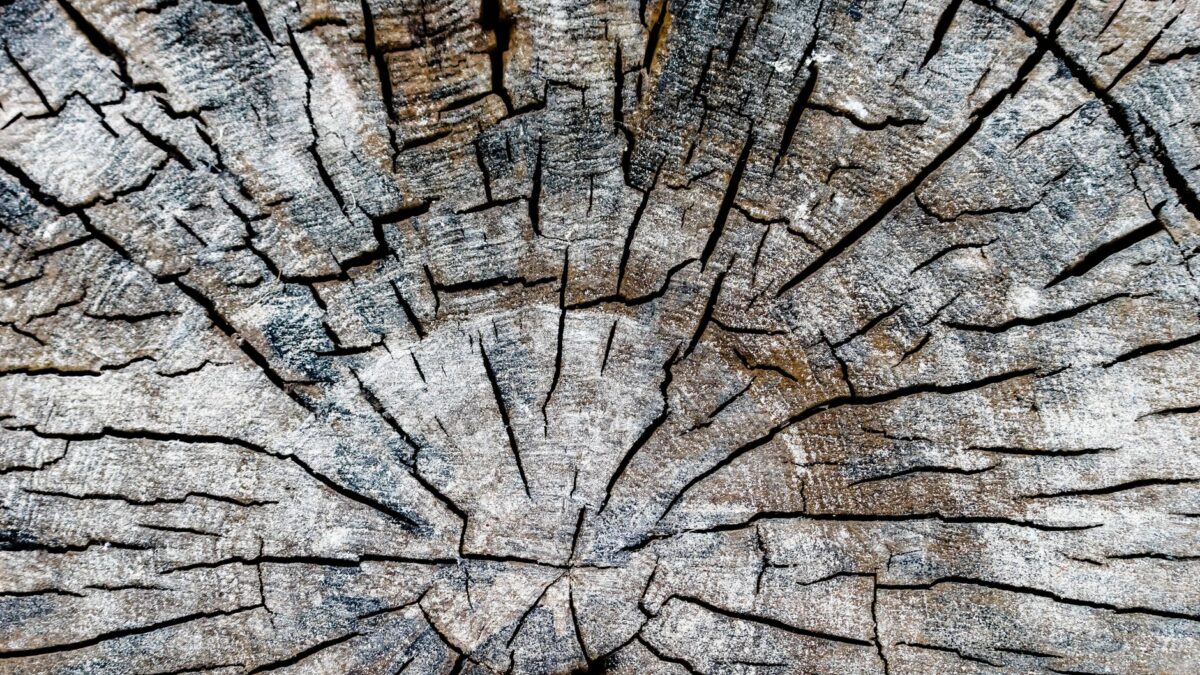
Tree bark usually splits because of frost cracks or sunscald on the south or southwest side of young, thin-barked trees, or simply because the trunk is growing. Small cracks on healthy trees often seal on their own, so the best treatment is to water in dry spells and leave the wound uncovered. Call an arborist if a crack is deep, bark is missing around much of the trunk, or a large tree stands near a house or a place people gather.
Normal bark or a real problem?
Some trees shed bark as part of growing. Iowa State University Extension lists sycamore, redbud, silver maple, shagbark hickory, birch and Scotch pine among them. As a trunk thickens, outer layers crack as well.
Look at what lies beneath. If the shedding reveals healthy bark, with no bare wood showing, no action is needed.
What caused the split?
| What you see | Likely cause | When it shows | What to do |
|---|---|---|---|
| Long, straight vertical crack, often on the south side; may open in cold and close when warm | Frost crack | Winter, sometimes with a loud bang | Leave it uncovered; wrap the trunk next fall if the tree is young |
| Sunken, discolored or peeling patch on the south or southwest side | Sunscald | Late winter to spring | Trim only loose bark; wrap the trunk next fall |
| Peeling plates or strips with healthy bark beneath | Normal shedding | Any time | Nothing |
| Shallow cracks on a fast-growing tree | Rapid growth, sometimes after heavy fertilizing | Growing season | Ease off fertilizer |
| Cracks or loose bark after a very dry spell or a sudden swing in moisture or temperature | Drought or weather stress | Summer to fall | Water deeply during dry spells; watch for dieback |
| Long strip blown off, often running down the trunk | Lightning | After storms | Have an arborist check it, because internal damage isn’t visible |
| Scrapes or torn bark near the base | Mower, string trimmer or other equipment | Growing season | Add a mulch ring so tools stay away |
| Gnawed bark low on the trunk | Rabbits or voles | Winter | See how to protect trees from rabbits and voles |
| Oozing, holes, sawdust or mushrooms on the trunk | Insects, canker or decay, often moving into an older wound | Any time | Find the original cause; ask an arborist about decay |
Frost cracks
On a sunny winter day, the trunk’s outer layers warm up. When the sun sets, temperatures can drop quickly, and the outer wood shrinks faster than the inner wood. University of Illinois Extension explains that this stress can split the trunk vertically, sometimes with a loud crack.
Thin-barked trees are most at risk, including maple, beech, linden, honeylocust, willow, apple, cherry and pear. Young trees of any species are more vulnerable. Iowa State adds that frost cracks usually trace back to an earlier injury, which explains why they often appear in the same place year after year.
Sunscald
Winter sun warms tissue on the south or southwest side of a trunk, which can lose its cold hardiness. Then the temperature falls and the tissue freezes and dies. In spring, the bark looks sunken or discolored, and it may later crack and peel away, sometimes down to bare wood. It’s common on young fruit trees, red maples and lindens.
When does a wound close on its own?
Trees don’t heal the way skin does. They seal wounds by growing new wood around the edges, while the damaged area stays inside the trunk.
Small, occasional cracks on a vigorous tree often seal over, leaving a scar. In contrast, a crack that reopens each winter weakens the tree at that spot and may leave a raised ridge called a frost rib. Illinois Extension notes that repeated cracking makes breakage more likely.
What to do, and what not to do
- Don’t apply paint, tar or wound dressing. They interfere with the tree’s own sealing process.
- Don’t tape or nail loose bark back on, and don’t wrap the wound in plastic.
- Do trim hanging bark carefully with a clean, sharp tool, without cutting into healthy bark.
- Do water young trees during dry spells, and before the ground freezes.
- Do protect the trunk with a wide mulch ring so mowers stay away.
- Do monitor the tree for thin leaves, dieback and poor growth over the next year or two.
Preventing winter cracks
- Wrap young, thin-barked trees in fall with white commercial tree wrap or a white plastic guard. University of Minnesota Extension advises against dark wraps and guards, which absorb heat.
- Remove wrap in spring once nights stay above freezing. Michigan State University warns that wrap left on can trap moisture and encourage decay.
- Water well through a dry fall, because moisture stress raises the risk of winter injury.
- Avoid late-summer feeding, which pushes soft growth.
- Prevent mower and trimmer wounds, since old injuries are often where cracks start.
When to call an arborist
Look for an ISA Certified Arborist if you see any of these:
- A crack that reaches deep into the wood. One extension guide treats vertical cracks a third or more of the trunk’s diameter as a serious defect.
- Bark missing around more than about a third of the trunk’s circumference. Iowa State says that level of damage often makes removal necessary.
- Damage going all the way around the trunk or a major branch, known as girdling.
- A lightning strike, even if the tree still looks fine.
- Soft or crumbling wood, mushrooms on the trunk, or heavy branch dieback. See why a tree dies from the top.
- A new lean or lifting soil at the base.
- Any significant crack in a large tree that could reach a house, a driveway or a play area.
If you’re not sure whether the tree is alive at all, try the checks in how to tell if a tree is dead. Don’t climb a damaged tree or cut large limbs yourself.
Bottom line
Most bark splits are frost cracks, sunscald or normal growth, and a healthy tree often seals small ones by itself. Leave wounds uncovered, trim only loose bark, water through dry spells, and wrap young trees before next winter. Deep cracks, wide bark loss, lightning strikes and signs of decay need a professional’s eye.
FAQ
Should I seal a crack in my tree?
No. Paint, tar and wound dressings don’t help and can interfere with the tree’s natural response. Leave it open to the air.
Will a frost crack kill my tree?
Usually not on its own. It can let decay in and weaken the trunk if it keeps reopening, so keep an eye on it.
Why is the bark only splitting on one side?
The south and southwest sides take the most winter sun and have the widest temperature swings. That’s where frost cracks and sunscald tend to appear.
Can I tape loose bark back in place?
No. It won’t reattach, and it can trap moisture. Trim away what’s hanging loose and let the tree seal the area.