When to Overseed a Lawn: Calendar by Grass Type and Region
The right window depends on your grass, not the calendar on the seed bag. Here is when to seed, and how to keep weed preventers from ruining it.
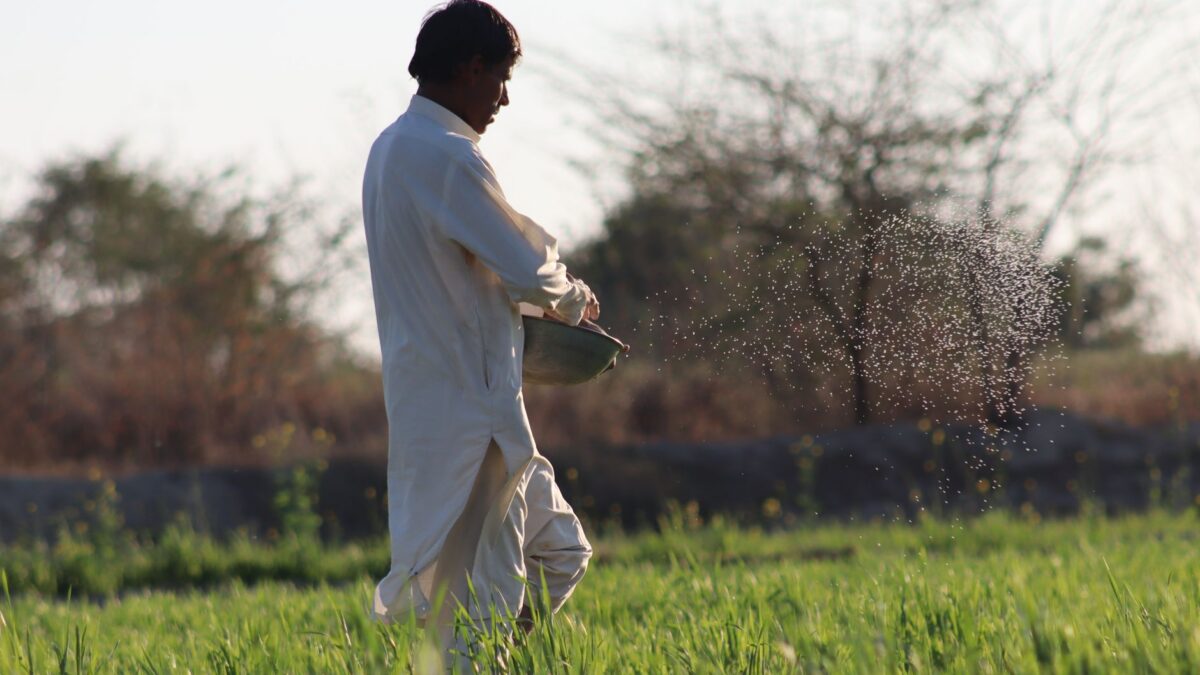
Overseed cool-season grass (Kentucky bluegrass, tall fescue, fine fescue, perennial ryegrass) in late summer to early fall, when soil is warm and the air is cooling. Overseed warm-season grass (bermudagrass, zoysiagrass, centipedegrass) in late spring to early summer, once soil reaches at least 65°F. In either case, stay clear of crabgrass preventers, which stop grass seed too. If it is November where you are, the best window has passed for most lawns, so plan for your next one.
Why timing matters
Grass seed needs warm soil, steady moisture and little competition. For cool-season grass, late summer and early fall offer all three: warm soil from summer, cooler air, more rain and fewer germinating weeds. Spring is the backup window, but new seedlings then have to race crabgrass and meet summer heat with shallow roots. Warm-season grass is the reverse, since it needs hot weather to grow and has no time to establish in fall.
Overseeding calendar
These are general windows, drawn from NC State’s planting tables and common extension guidance. Treat the zones and dates as rough. Your microclimate, elevation and the year’s weather can shift them by weeks, and your state extension service is the best source for your county.
| Region | Common grasses | Best window | Second choice |
|---|---|---|---|
| Northern tier and Upper Midwest (zones 3 to 5) | Kentucky bluegrass, fine fescue, ryegrass | Mid-August to mid-September | Early spring, as soon as soil can be worked |
| Northeast and Midwest (zones 5 to 6) | Kentucky bluegrass, tall fescue, ryegrass | Mid-August to late September | Spring |
| Transition zone uplands (zones 6 to 7) | Tall fescue, Kentucky bluegrass | Mid-August to mid-September | Late September to early October; spring is riskier |
| Transition zone lowlands (zones 7 to 8) | Tall fescue | Mid-September to mid-October | Spring is risky because of summer heat |
| South, warm-season lawns (zones 7 to 10) | Bermudagrass | April to July | Earlier is better, so roots establish before fall |
| South, warm-season lawns | Centipedegrass | March to July | Late planting risks winter loss |
| South, warm-season lawns | Zoysiagrass | April to July | Often established by sod or plugs |
| South, warm-season lawns | Bahiagrass | March to June | Soil should be warm |
| Gulf states and warm-season lawns | St. Augustinegrass | April to July, sod or plugs only | Seed is not available, so it cannot be overseeded |
In the West, timing varies with elevation and climate, so check your state extension service for local dates.
Use soil temperature, not just dates
- Cool-season seed: Sources commonly point to soil around 50 to 65°F as the fall target. Seed early enough for grass to mature before hard frost.
- Warm-season seed: Wait until soil reaches at least 65°F, and ideally a bit higher. Seed planted in cooler soil may sit and rot.
A cheap soil thermometer pushed 2 to 3 inches into the ground in midmorning will tell you more than a date.
Why crabgrass preventers and new seed clash
Pre-emergent herbicides work by stopping seeds as they germinate, and they cannot tell crabgrass from the grass you just sowed.
- Most crabgrass preventers stop grass seed. Illinois Extension says preemergence annual grass herbicides also damage germinating desirable grass seed. It names siduron as the exception, though it can be hard to find.
- Spring is where the clash happens. Crabgrass begins germinating when soil stays above about 55 to 60°F for a week or more, which is right when many people want to patch their lawns. Choose one or the other for the same area in the same season.
- Fall applications can linger. University of Georgia guidance warns against fall preemergence products if you plan to reseed within several months. The label states the wait, so follow it instead of a general rule.
- Mesotrione is a special case. NC State says Tenacity can go on newly seeded tall fescue, Kentucky bluegrass and perennial ryegrass before germination. After germination, it advises waiting four weeks or until the turf has been mowed twice. Check the label for your grass.
- Broadleaf killers need a gap too. NC State suggests waiting three to four weeks after applying broadleaf herbicide before you seed. If you seed first, wait until the new grass has been mowed two or three times.
Our guides on pre-emergent vs post-emergent and crabgrass preventer timing have more detail.
How to overseed, briefly
- Test the soil if you have not done so in the past few years.
- Mow a little shorter than usual and rake out loose debris.
- Open the soil. Core aeration or a slit seeder helps seed reach soil. See aeration vs dethatching.
- Spread the label’s overseeding rate in two directions.
- Keep the top layer moist with light, frequent watering until seedlings are up.
- Mow when the new grass reaches normal height, and go easy on traffic.
For one bad patch instead of a whole lawn, see our guide to repairing bare spots.
What if you missed the window?
- Northern lawns in November: Soil is too cold for germination. Seed scattered now may sit until spring, and some of it will be lost to birds, washing or rot. Treat that as a gamble, not a plan. For most people, early fall next year is a better bet.
- Warm-season lawns in fall: Do not seed bermudagrass now. Wait for warm soil next spring.
- Winter color on bermudagrass: Some Southern homeowners overseed with ryegrass in fall for a green winter lawn. It is cosmetic, not a repair. NC State does not recommend annual ryegrass for this, because it dies back in late spring and has to be reseeded each fall. If you do it, wait until the bermudagrass is slowing down.
Bottom line
Match the season to your grass: late summer to early fall for cool-season lawns and late spring to early summer for warm-season lawns. Let soil temperature confirm the date, keep pre-emergents away from new seed, and if you have missed this year’s window, spend the off-season fixing the soil.
FAQ
Can I overseed in spring?
Yes, but it is the second choice for cool-season lawns. Seedlings face crabgrass and summer heat, and you will have to skip most crabgrass preventers.
Can I overseed in November?
Not reliably. In most regions, soil is too cold for good germination. Prepare the lawn and wait for your next window.
How long after a crabgrass preventer can I seed?
It varies by product, and the wait can be weeks to months. Check the seeding interval on the label before you buy.
Can I overseed St. Augustinegrass?
No. Seed is not available, so St. Augustinegrass is patched with sod or plugs.