Neem Oil vs Insecticidal Soap: Which Should You Use?
Both are lower-toxicity options, but they work in different ways. Soap is the simpler first step, and neem suits a slower, longer job. Don't mix them.
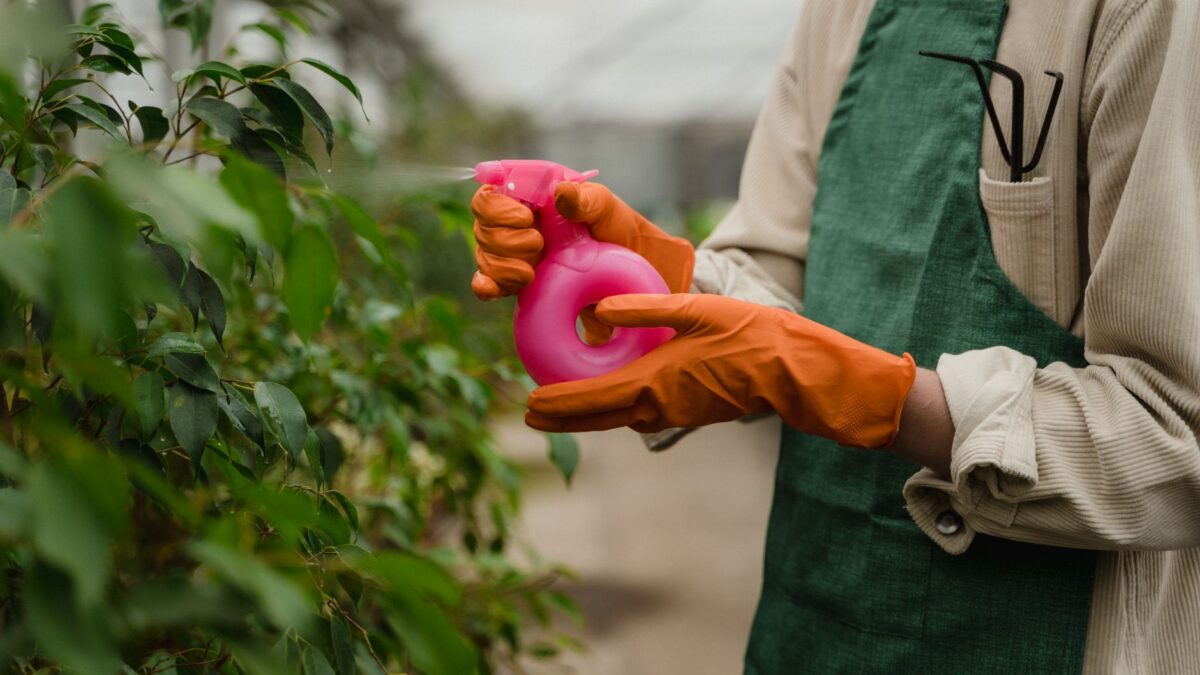
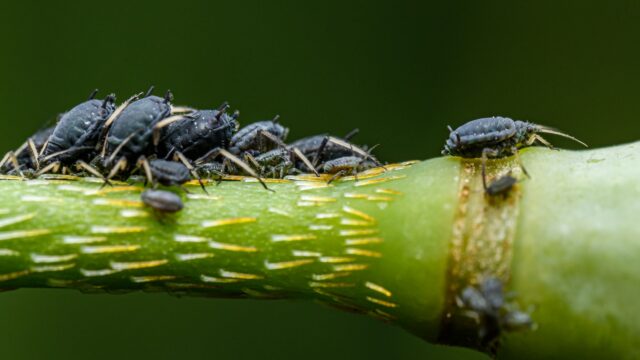
Start with insecticidal soap for soft-bodied pests you can see and reach, such as aphids, mealybugs and spider mites, because it kills on contact and leaves no toxic residue. Choose neem oil when insects are feeding and breeding on a plant over time, or when a product is also labeled for a leaf disease like powdery mildew. Whichever you pick, spray in cool conditions, test a few leaves first and use one product at a time.
Side-by-side comparison
| Feature | Insecticidal soap | Neem oil |
|---|---|---|
| What’s in it | Potassium salts of fatty acids | Neem seed oil; products may contain azadirachtin or clarified hydrophobic neem oil |
| How it works | Suffocates insects, disrupts cell membranes and strips the waxy coating | Azadirachtin reduces feeding, repels and disrupts insect hormones; oil fractions can also smother |
| Speed | Works while wet, on insects it hits | Slower; effects build over days |
| Staying power | Little or none once dry | Short; azadirachtin’s half-life on leaves is 1 to 2.5 days |
| Best targets | Aphids, mealybugs, thrips, scale crawlers, spider mites | Immature, actively feeding insects; clarified oil products may also list mildews and rusts |
| Repeat | Every 4 to 7 days, or as labeled | As labeled |
| Heat limit | Not in full sun or above 90°F | Avoid high heat and humidity; not above 90°F |
| Bees | Spare them by avoiding direct hits; no toxic residue | Sources differ, so spray only when bees aren’t active |
| Water life | Keep sprays out of ponds and drains | Azadirachtin is moderately toxic to fish; keep out of water |
How insecticidal soap works
Soap only kills what it touches. Clemson’s soap factsheet puts it plainly: the spray works only while it’s wet. So coverage is everything, including the undersides of leaves where pests gather. Clemson also says most beneficial insects are not harmed, and the spray helps wash off honeydew and sooty mold.
Some useful details:
- Hard water weakens soap. Mix a small batch in a clear jar and let it stand for 15 minutes. If scum forms instead of a uniform milky liquid, use distilled or bottled water.
- Use a garden product, not dish soap. Clemson warns that homemade mixes carry a much higher risk of plant injury, and that dry dish and laundry detergents are too harsh.
- Don’t overuse it. Leaf damage can build up with repeated sprays.
How neem oil works
Neem oil is pressed from seeds of the neem tree. According to the National Pesticide Information Center, azadirachtin is its most active component. It reduces feeding, acts as a repellent and interferes with insect hormones, which makes it harder for insects to grow and lay eggs. What’s left after azadirachtin is removed is clarified hydrophobic neem oil, and EPA-registered products made from this fraction are labeled against certain fungal diseases, so check the label to see which ones it lists.
That means neem products aren’t all the same. Read the label to see which active ingredient you’re buying and which pests and plants it covers. Because insects generally need to feed on treated plants, you’ll see results more slowly than with soap, and they work best on young insects.
Which one for which job
- Aphids: try water first, then soap.
- Spider mites on houseplants: rinse, then soap, with repeat sprays.
- Mealybugs: wipe them off first, then treat with soap.
- Leaf-chewing young insects: neem, if the label lists them.
- Powdery mildew: a neem product labeled for disease, used early. Soap isn’t a disease treatment.
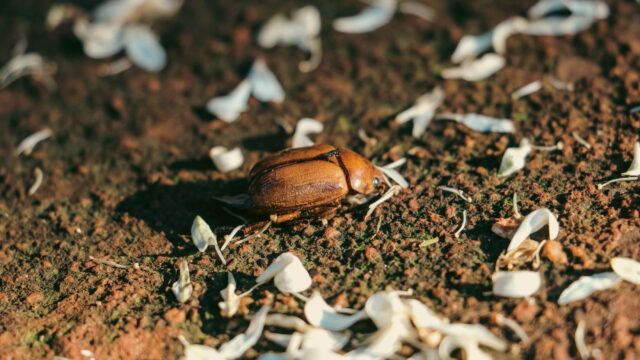
- Adult hard-shelled beetles: neither is a good first choice; hand-picking is usually better.
Timing to avoid leaf burn
- Check the forecast. Don’t spray either product above 90°F or in full sun, and be careful in high humidity.
- Water first. Don’t spray water-stressed plants. Water the day before if needed.
- Spray early or late. Clemson says early morning or late afternoon is best, partly because slower drying improves control.
- Test first. Spray a small area and wait 24 hours. This is especially important for sensitive plants.
- Respect sensitive plants. Clemson lists portulaca, cherries, plums, Japanese maple, gardenias and Easter lilies as sensitive to soap, and azaleas, begonias, fuchsias, geraniums and impatiens as somewhat sensitive.
Timing to protect bees
On neem, the sources don’t fully agree. The National Pesticide Information Center rates neem oil as practically non-toxic to bees and says pollinators are unlikely to be harmed, since insects must eat treated plants. Penn State Extension, by contrast, warns that neem can kill bees on contact and advises evening application. The sensible habit covers both views, and it applies to soap too:
- Spray in the evening or very early, when bees aren’t foraging.
- Never spray open flowers where bees are working.
- Let the spray dry completely before bees return in the morning.
- Treat only the affected plants, not the whole garden.
Why not to mix them
Combining products may feel like extra insurance, but it raises the chance of leaf burn, and you can’t tell what caused any damage. Some rules to follow:
- Keep one product in the sprayer unless both labels specifically allow mixing.
- Keep oils and sulfur apart. UC IPM warns never to apply an oil within 2 weeks of a sulfur spray or plants may be injured.
- Don’t stack treatments. Allow days between different products and watch how the plant responds.
- Rinse the sprayer between products, and keep them in their original labeled containers.
Safety for people and pets
Both are lower-toxicity options, not harmless ones. Neem can irritate eyes and skin, and azadirachtin can be very irritating to the skin and stomach, so wear whatever the label asks for and wash up afterward. The National Pesticide Information Center notes that neem oil used on cats for fleas in other countries caused serious reactions, so never use a garden product on a pet, and keep pets away until sprays have dried. Store products out of reach of children and pets. For human exposure, call Poison Control at 1-800-222-1222.
Bottom line
Soap is the first step for soft-bodied pests you can reach: fast, simple and gone once dry. Neem is a slower tool for feeding insects, and some neem products also protect against leaf diseases. Choose by pest, follow the label, keep it cool, and use one at a time.
FAQ
Can I use neem oil and insecticidal soap together?
Not in the same tank unless both labels allow it. Pick one, watch the results for several days, and only then consider the other.
Which is safer for vegetables?
Both can be used on many vegetables when the label lists the crop. Check the label for the plant and any waiting period before harvest, and wash produce well.
Why didn’t soap work?
The most common reasons are missed insects, hard water, or only one application. Soap has no lasting effect, so repeat as the label directs.
Does neem oil kill spider mites?
Some labels list mites, but soap and regular rinsing are the simpler starting point. Check the label for your product.