When to Apply Winter Mulch: Calendar by USDA Zone
Winter mulch isn't there to keep soil warm. It keeps frozen ground frozen, which is why putting it down too early can backfire.
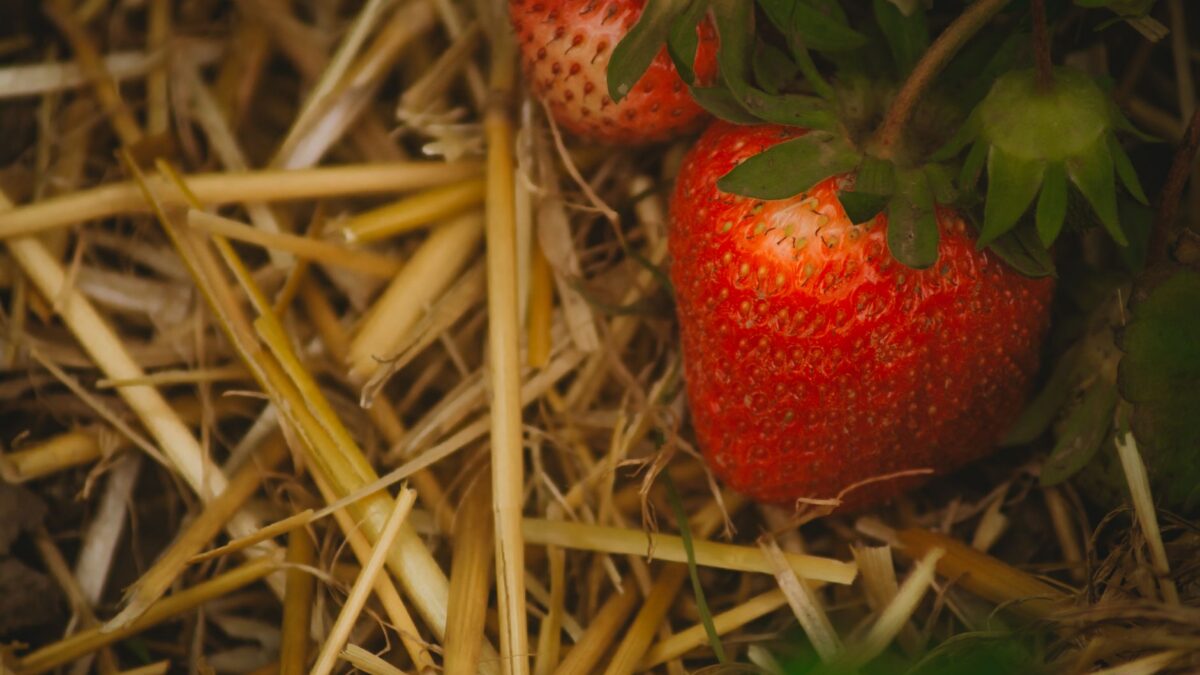
Apply winter mulch after the top of the soil has started to freeze, usually following several hard frosts. In much of Iowa, for example, that means late November. Spread about 3 to 4 inches of loose material such as straw or shredded leaves over plant crowns, then pull it back gradually as the soil thaws in early spring.
Why timing matters
Winter mulch isn’t a blanket that keeps plants warm. Its job is to hold the soil at a steady cold temperature so it doesn’t keep thawing and refreezing.
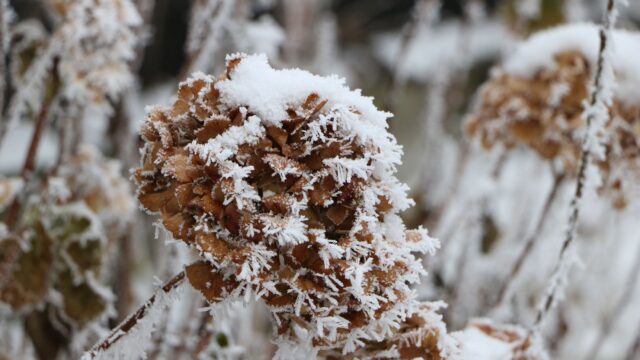
Those swings cause frost heaving. Water in the soil expands as it freezes and lifts shallow-rooted plants, which often don’t settle back when the ground thaws. Roots and crowns end up exposed to cold, drying wind. Iowa State University Extension says newly planted perennials and plants with small root systems are most at risk.
Mulch too early and it works against you. It holds warmth in the soil, delays dormancy and can increase winter injury. It can also give voles a sheltered place to settle in near your plants.
Winter mulch calendar by USDA zone
These windows are rough, built from state extension advice rather than a single official chart. An early cold snap or a warm December can shift them by weeks, so let the soil have the final say.
| USDA zone | Typical time to mulch | Typical time to pull back | Notes |
|---|---|---|---|
| 3–4 | Early to mid-November | April, as the soil thaws | Steady snow cover also insulates; mulch matters most in low-snow years |
| 5 | Mid to late November | Late March to early April | Open winters with thaws make mulch especially useful |
| 6 | Late November to mid-December | Mid to late March | Expect repeated freeze and thaw cycles |
| 7 | December, once the soil freezes, if it does | Early March | Mainly for fall plantings, strawberries and tender perennials |
| 8–10 | Usually not needed | Not applicable | The ground seldom freezes; keep a normal 2 to 3 inch mulch layer and cover plants during cold snaps |
How to tell it’s time
- Several hard frosts have passed and perennial tops have died back.
- The top of the soil feels firm and crunchy when you push in a trowel, and it stays that way past midday.
- For strawberries, several universities use a soil temperature trigger: holding at or below 40°F for about three days, which often lands between mid-November and mid-December.
A few mild days afterward won’t undo your work. If the soil is still soft, waiting another week or two does no harm.
How deep to mulch
Advice varies with climate and with the plant:
- Iowa State suggests a 3 to 4 inch layer over the crown.
- Oregon State University, writing for cold central Oregon, suggests 2 to 5 inches for most perennials and 5 inches or more for very tender ones.
- A University of Wisconsin county office allows up to 6 to 8 inches around perennials and ornamental grasses.
A sensible default is 3 to 4 inches of light, fluffy material. Go deeper in zones 3 and 4 if snow is unreliable or the plant is marginally hardy. For a different material comparison, see our guide to hardwood mulch, pine bark and straw.
What to use
| Material | Verdict | Why |
|---|---|---|
| Clean straw | Good | Light and airy; look for straw with few grain heads |
| Evergreen boughs | Good | Stay open, catch snow and are easy to lift off |
| Pine needles | Good | Don’t mat and hold in place well |
| Shredded leaves | Good | Free and effective once shredded; run them over with a mower first |
| Whole soft leaves, such as maple or ash | Avoid on crowns | The University of Missouri warns they can turn soggy and smother small shoots |
| Hay | Avoid | Usually carries more weed seed than straw |
Which plants need it
Worth mulching:
- Perennials planted this fall
- Shallow-rooted or small-rooted perennials
- Strawberries
- Tender roses, which have their own routine in our guide to winterizing roses
- Garlic beds, covered in when to mulch garlic
Usually fine without it: established tough perennials such as daylilies and iris, and plants rated at least a zone or two hardier than your garden.
Trees and shrubs are a separate case. They benefit from a regular mulch ring all year, not a deep winter blanket, and the mulch should stay off the trunk. Thick mulch against bark is a common place for voles to start chewing.
When and how to pull it back
- Start as the top layer thaws. Iowa State puts this around mid-March in much of the state.
- Work in stages. Rake mulch off the crowns over a week or two rather than all at once, so new growth adjusts to the light and cold.
- Keep it close. Leave it beside the plants so you can pull it back over them if a hard freeze is forecast.
- Don’t leave it too long. Heavy, wet mulch slows soil warming, and strawberry guides warn that leaving it on into April can lead to crown rot.
- Reuse it. Move clean straw to paths or between vegetable rows, or add it to the compost pile.
Bottom line
Wait for the soil to start freezing, then add 3 to 4 inches of loose mulch over the plants that need it most. Skip it in zones where the ground rarely freezes. Take it off in stages when the soil starts to thaw. The goal is steady cold, not warmth.
FAQ
Is early November too soon to apply winter mulch?
It depends on your zone. In zones 3 and 4 it may be right. Farther south it’s usually early, so wait until the soil starts to freeze.
Can I use the leaves from my lawn?
Yes, if you shred them first. Whole soft leaves can mat into a wet layer that smothers crowns, while shredded leaves stay looser.
Do I need winter mulch if I get a lot of snow?
Reliable snow insulates plants well, so you may need less. Mulch is still cheap insurance for new plantings, because snow cover doesn’t always arrive before the hard cold.
Is winter mulch different from regular mulch?
Yes. Regular mulch stays on year-round to hold moisture and block weeds. Winter mulch is an extra seasonal layer over crowns that comes off in spring.