Best Vegetables for Beginners: 10 Easy Crops and What to Skip
The best vegetables for beginners are lettuce, radishes, bush beans, zucchini and cherry tomatoes. Plus crops to skip, garden size and timing.
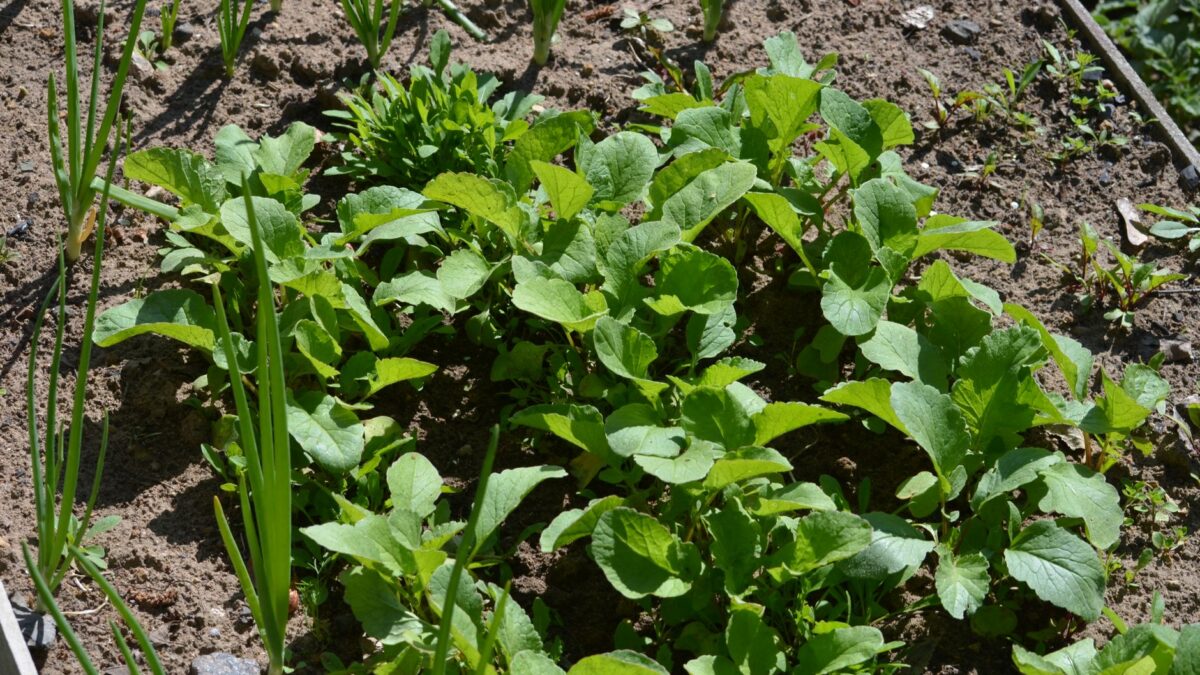
The best vegetables for beginners are leaf lettuce, radishes, bush beans, zucchini, cherry tomatoes, peas, Swiss chard, kale, green onions and garlic. These crops sprout or establish easily, forgive uneven watering and produce a harvest within one season. In a first garden, skip slow or fussy crops such as cauliflower, celery, Brussels sprouts, asparagus and, in small spaces, corn and melons.
Which vegetables are easiest to grow in a first garden?
The easiest vegetables grow fast, have few serious pests and keep producing even when the gardener makes small mistakes. These ten are a good starting list:
- Leaf lettuce: sow seed in cool weather and start picking outer leaves in about a month. Loose-leaf types are easier than heading lettuce.
- Radishes: most varieties are ready about three to four weeks after sowing, which makes them a quick confidence builder.
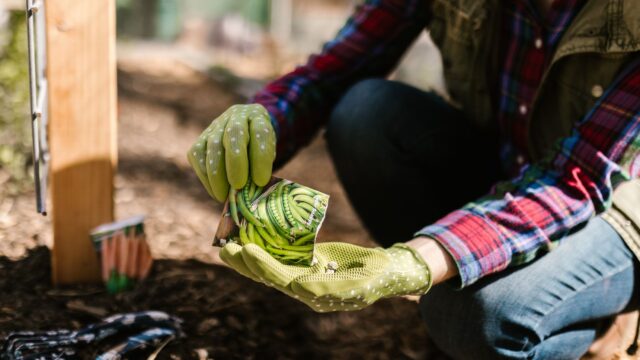
- Bush beans: large seeds that are easy to handle, no trellis needed, and plants keep cropping if you pick often.
- Zucchini and summer squash: one or two plants feed a family. Pick fruits at 6 to 8 inches (15 to 20 cm) before they turn woody.
- Cherry tomatoes: more reliable than large slicing tomatoes and less prone to cracking. Buy transplants rather than starting seed.
- Peas: sow in early spring as soon as the soil can be worked. Snap and snow peas skip the shelling.
- Swiss chard: tolerates heat and light frost and regrows after cutting, so one sowing can last from spring to fall.
- Kale: cold hardy, and the flavor often improves after a light frost.
- Green onions: grow from seed or sets in containers or beds, and cut what you need.
- Garlic: plant cloves in fall a few weeks before the ground freezes and harvest the next summer, with little work in between.
Basil and parsley pair well with this list if you want herbs too. Both grow easily in the same beds or in pots.
Which vegetables should beginners skip in the first year?
Crops that need a long season, steady conditions or a permanent bed are better left for year two or three. Common ones to postpone:
- Cauliflower: heat or a dry spell can make it form tiny, loose heads (called buttoning) instead of a full curd.
- Celery: a very long season and constant moisture; it turns stringy and bitter when stressed.
- Brussels sprouts: months in the ground before harvest, and a magnet for cabbage worms and aphids.
- Asparagus: a perennial that needs its own bed, and you wait two to three years after planting crowns before a full harvest.
- Corn: it is wind pollinated and needs to grow in a block of several short rows, so a few plants give poorly filled ears.
- Melons and watermelons: they sprawl over a lot of space and need a long, hot summer, which is hard in northern or short-season areas.
Carrots and onions from seed sit in the middle. They are worth trying, but carrot seed needs the soil surface kept moist for up to two weeks before it sprouts.
Should beginners start from seed or buy transplants?
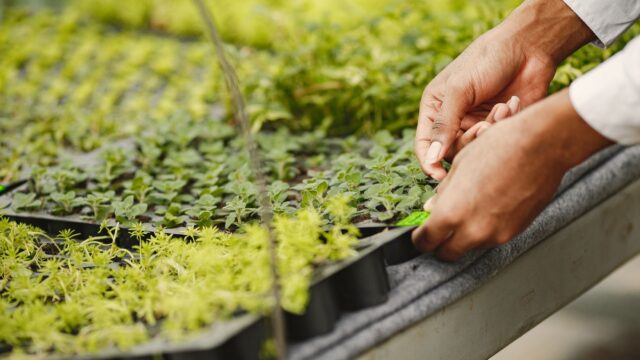
Use seed for crops that grow quickly or dislike being moved, and buy transplants for crops that need a long head start. Sow lettuce, radishes, beans, peas, chard, zucchini and carrots directly in the garden. Buy tomatoes, peppers and eggplant as young plants from a nursery, because they need 6 to 8 weeks indoors under strong light before going outside. Choose short, sturdy transplants with dark green leaves and no flowers or fruit yet.
How big should a first vegetable garden be?
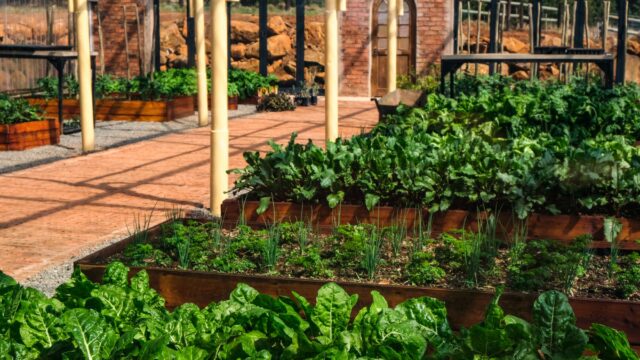
A small garden is easier to keep weeded and watered, so start with one or two raised beds about 4 by 8 feet (1.2 by 2.4 m) or a plot of about 10 by 10 feet (3 by 3 m). A 4-foot-wide bed lets you reach the middle from either side without stepping on the soil. Put it where it gets at least 6 to 8 hours of direct sun a day. Fruiting crops such as tomatoes, squash and beans need full sun, while lettuce, chard and kale can manage with 4 to 6 hours. Keep it close to a hose or water source, since a garden far from the tap tends to get watered less.
When should you plant each type of vegetable?
Cool-season crops go in early, and warm-season crops wait until after your last spring frost. Peas, lettuce, radishes, kale, chard and green onions handle cool weather and light frost, so they can be planted in early spring and again in late summer for a fall crop. Tomatoes, beans, zucchini, peppers and basil are killed by frost and grow poorly in cold soil, so plant them once frost danger has passed and the soil has warmed to about 60°F (16°C). Your frost dates depend on where you live. The USDA Plant Hardiness Zone Map shows your zone, and local frost dates come from your state’s extension service. If a late frost is forecast after planting, a cover helps; this comparison of frost cloth, plastic and bedsheets explains which works best. To set dates in advance, use a month-by-month garden planning calendar over the winter.
What mistakes do first-time vegetable gardeners make?
The most common mistakes are planting too much, too close together and in too little sun. Others to watch for:
- Overcrowding. Follow the spacing on the seed packet and thin seedlings early; crowded plants stay small and get more disease.
- Shallow, frequent watering. Most vegetable gardens need about 1 inch (2.5 cm) of water a week from rain or irrigation, given in deep soakings. This guide to how often to water a vegetable garden covers soil type and hot spells.
- Watering the leaves late in the day. Wet foliage overnight encourages fungal disease, so water the soil in the morning. A soaker hose or drip system keeps leaves dry and saves time.
- Skipping mulch. A 2 to 3 inch (5 to 8 cm) layer of straw or shredded leaves holds moisture and blocks weeds once the soil has warmed.
- Letting crops get too big. Zucchini, beans and cucumbers slow down if mature fruit stays on the plant, so pick every few days in summer.
- Planting everything at once. Sow lettuce and radishes in small batches every two to three weeks for a steady supply.
Quick answers
What is the fastest vegetable to grow?
Radishes are the fastest common vegetable, with many varieties ready about three to four weeks after sowing. Leaf lettuce and baby greens can be cut in about a month.
Can beginners grow vegetables in containers?
Yes. Lettuce, green onions, chard, cherry tomatoes and bush beans all grow well in pots. Use containers with drainage holes and potting mix, not garden soil, and expect to water more often than a bed, sometimes daily in summer.
Do vegetables need fertilizer in a first garden?
Most do better with it. Mix compost into the bed before planting, and if you use a fertilizer, follow the label rate, since too much nitrogen gives lots of leaves and little fruit on tomatoes, beans and squash.
How many tomato plants does a beginner need?
Two to four plants are enough for most households, and one or two cherry tomato plants will produce more than many families can eat fresh.