Frost Cloth vs Plastic vs Bedsheets: Which Cover Works Best?
Any cover can save a plant from a light frost, but they fail in different ways. Here is how frost cloth, sheets, plastic and buckets compare overnight and the morning after.
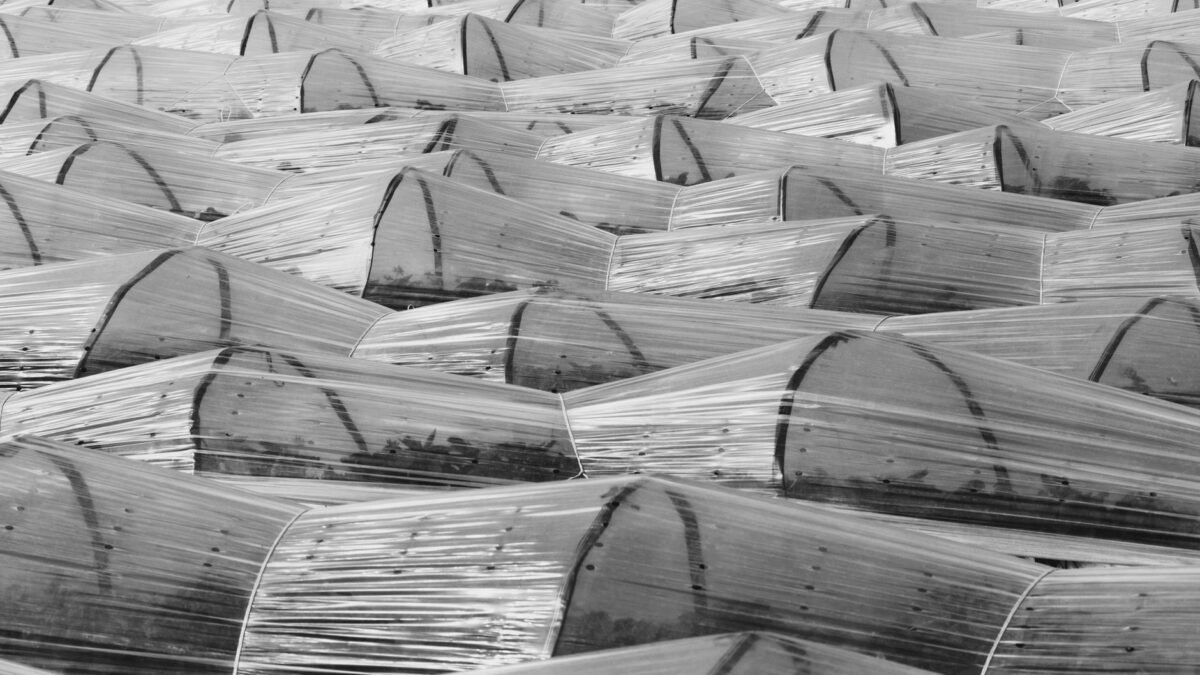
For overnight protection, frost cloth is the best all-round choice, because it breathes, lets light through and lasts for years. Old bedsheets work well for a light frost if they stay dry. Plastic is the riskiest option: use it only on a frame so it doesn’t touch leaves, and open it by morning, because sun can overheat plants underneath in about an hour.
How covers actually work
A cover doesn’t make heat. It slows the loss of heat rising from the soil, so the air around the plant stays a few degrees warmer than the open sky. That’s why every cover works better if it reaches the ground and goes on before sunset. It’s also why results vary so much: cover weight, wind, ground moisture and how long the cold lasts all change the outcome.
Frost cover comparison
The degree figures below come from university extension sources, which don’t always agree. Treat them as ranges, not guarantees.
| Cover | Rough protection | Best for | Main risk | Next morning |
|---|---|---|---|---|
| Frost cloth or floating row cover | About 2°F for lightweight fabric, about 4–8°F for frost cloth, up to about 10°F for the heaviest grades | Vegetable beds, shrubs, repeated use | Wind lifting it; heavier grades let in less light | Remove on warm, sunny days |
| Bedsheet | About the same as a light row cover | One-off light frost, odd-shaped plants | Loses value when wet; sags onto plants | Remove and dry |
| Blanket or quilt | No firm figure | Sturdy shrubs, propped over supports | Heavy when wet and can break stems | Remove so the soil can warm |
| Plastic on a frame | 3°F to over 6°F in Colorado trials | Cold frames and low tunnels | Overheating; can pass 130°F under a closed cover | Open at least a slit before the sun reaches it |
| Plastic draped on plants | Unreliable | Last resort only | Leaves touching it can freeze, then scorch | Remove at first sun |
| Buckets, pots or boxes | No reliable published figure | Single seedlings or small plants | Blowing away; no airflow in the sun | Lift off by mid-morning |
Frost cloth
Frost cloth and floating row cover are spun fabrics sold by weight. University of New Hampshire Extension says a lightweight cover might add 2°F of frost protection, while a heavyweight one might add 6 to 10°F. A Florida extension source gives 4 to 8°F for typical frost cloth.
Air and rain pass through, and some light does too, so it can stay on through a short cold spell. The trade-off is upfront cost, though good fabric lasts several seasons if you dry and fold it after use. If you cover fruiting crops during bloom, remember that insect-pollinated plants need the fabric off so pollinators can reach the flowers.
Bedsheets and blankets
Old sheets are the cheap, handy choice for a one-night frost. One extension source rates them about equal to a lightweight floating cover. Colorado State University Extension notes that blankets and sheets work as long as the fabric stays dry, so they’re a poor choice if rain or heavy dew is likely.
Prop heavier fabric on stakes, hoops or chairs. A soaked quilt lying on a young pepper plant will do more damage than the frost would have.
Why plastic gets mixed reviews
You’ll see plain advice not to use plastic at all. The University of Florida says it can heat up like a greenhouse and do more harm than the cold, especially to leaves touching it. Yet Colorado State’s trials found plastic on a frame gave 3°F to over 6°F of protection. Both are right, because the difference is how it’s used.
- On a frame with the edges sealed, plastic traps air and can work well as a cold frame or low tunnel.
- Draped straight on plants, it passes the cold to any leaf it touches, and thin clear film does little to hold back the heat radiating away from the soil.
Heat buildup on sunny days
This is where most plastic disasters happen. Colorado State warns that with just an hour of sun, the temperature under a closed cover can rise above 130°F. Cold, clear nights are often followed by bright mornings, so a plant that survived the frost can cook by 10 a.m.
Fabric is safer but not risk-free. The University of Florida advises taking covers off once it’s above 32°F, because bright sun can stress plants under any wrapping. University of Arizona guidance suggests removing covers when the air under them warms to about 50°F. Whichever rule you follow, don’t leave for work with a sealed plastic cover in place.
How to use any cover
- Prop it up with stakes, hoops or a wire frame so it doesn’t rest on leaves.
- Cover by late afternoon so the soil’s heat stays under it.
- Run it all the way to the ground and weigh the edges with bricks or boards.
- Don’t gather it around a trunk, because that shuts out the soil’s heat.
- Uncover when it warms the next day, and replace it before dusk if needed.
Our full frost protection guide covers which plants need help at which temperature. If a cold night still catches a shrub, see what to do about freeze damage.
Which should you use?
- Vegetable beds in spring or fall: frost cloth on hoops.
- A surprise frost tonight: old sheets on stakes.
- A tray of hardened-off seedlings: upturned pots or buckets, lifted the next morning.
- Season extension over weeks: plastic on a frame, vented every sunny day.
- Hard freeze below about 28°F: bring what you can indoors, because covers become unreliable at that point.
Bottom line
Frost cloth is the best choice if you cover plants often. Sheets are a sound free option for an occasional light frost. Plastic can work on a frame, but it’s unforgiving: keep it off the leaves and open it before the sun hits. For small plants, a bucket will do for a night.
FAQ
Can I use a plastic tarp?
Treat it like any plastic cover. Prop it up so it doesn’t touch foliage, and remove it early in the day before heat builds up.
Can frost cloth stay on all winter?
Some frost cloths can stay on for long periods, but check the maker’s directions. Remove them on warm days and when flowering crops need pollinators.
Does a wet sheet still protect plants?
Not well. Colorado State says fabric protection depends on the cover staying dry, so use frost cloth if rain or wet snow is likely.
How much protection do I really need?
On a frost night in the low 30s°F, a sheet is usually enough. Below about 28°F, or if cold lasts many hours, Iowa State says covers can no longer be counted on, even if the label suggests more.