Pre-Emergent vs Post-Emergent Herbicides: What Each Does and When to Use It
One works before weeds appear and the other after. Picking the wrong one wastes money, and a pre-emergent can stop your new grass seed too.
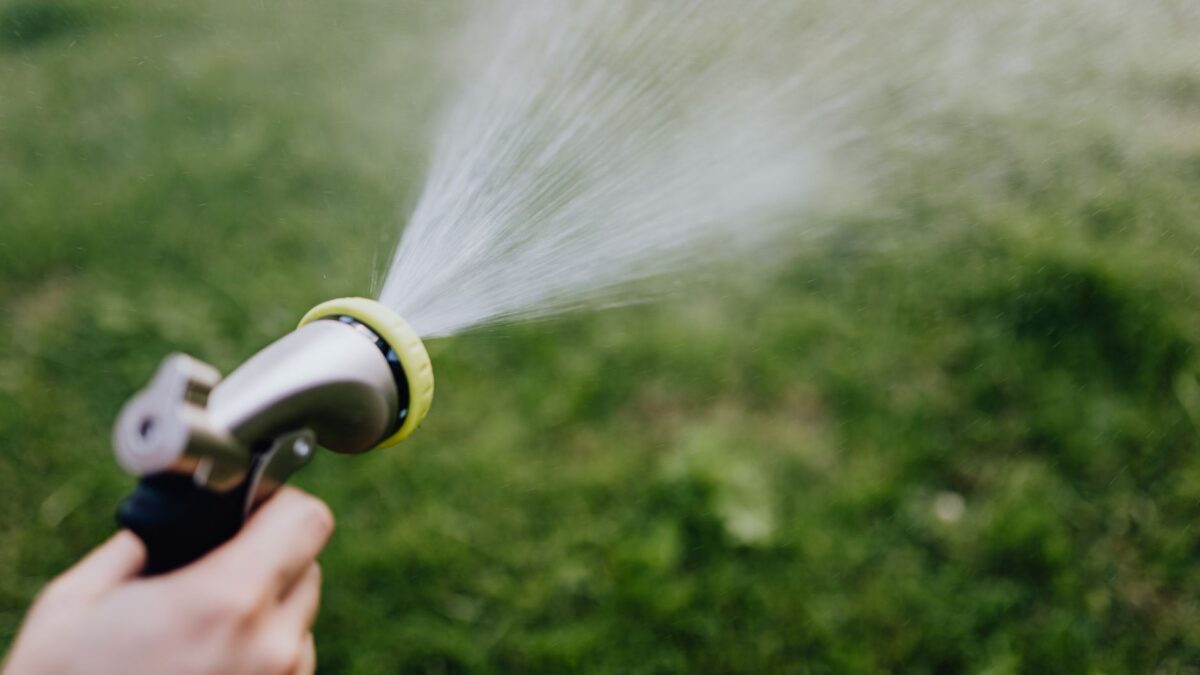
Pre-emergent herbicides stop weeds as their seeds germinate, while post-emergent herbicides kill weeds that are already growing. Use a pre-emergent in spring if crabgrass was your problem last year, and a post-emergent on dandelions, clover or other weeds you can see now. Before you use either one, try hand-pulling and thicker turf, and remember that most pre-emergents also stop grass seed.
Side-by-side comparison
| Pre-emergent | Post-emergent | |
|---|---|---|
| When to apply | Before weed seeds germinate | After weeds are visible, while young and actively growing |
| How it works | Forms a barrier in the upper soil layer that kills seedlings as they sprout | Taken up by the growing weed, usually through the leaves |
| Best against | Annual weeds grown from seed, such as crabgrass and foxtail | Existing weeds, including perennials such as dandelion and clover |
| Won’t do | Kill established weeds | Stop new seeds, in most cases |
| Common ingredients | Prodiamine, dithiopyr, pendimethalin, benefin | Broadleaf: 2,4-D, MCPP, dicamba, triclopyr. Grassy: quinclorac, fenoxaprop |
| Watering | Usually watered in with 1/4 to 1/2 inch | Many labels say no watering or mowing for about 24 hours |
| Grass seed | Blocks it, so wait as the label directs | New grass usually needs several mowings first |
Always check the label on your exact product, since rules vary even among products with the same ingredient.
How pre-emergents work
A common misconception is that pre-emergents kill seeds in the ground. University of Kentucky guidance explains that they actually form a residual barrier in the upper soil. When a seed germinates and the young shoot meets that layer, it absorbs the herbicide and dies. Grasses with established roots aren’t affected.
That’s why timing and water matter. The product must be in the soil before germination, and it needs watering in to form that barrier. Our guide to crabgrass preventer timing gives soil temperatures and dates by region.
Why pre-emergents stop grass seed too
A pre-emergent can’t tell a crabgrass seedling from a young fescue seedling. Purdue advises against using these products on new seedlings or before seeding an area, and the University of California says to delay seeding until the herbicide is no longer active, as stated on the label.
Waiting periods vary. Colorado State says to wait two to four months after a preemergence herbicide before seeding, depending on the product, and some turf advisers recommend 12 weeks or more. The rule also runs the other way: a University of Georgia turf weed guide lists a wait of 60 days after fall seeding, or until after the second mowing, whichever is longer, before prodiamine goes on a new seeding. Check the label for your product. There are a few exceptions:
- Mesotrione can be used at seeding on tolerant grasses, but not fine fescue.
- Siduron is commonly used during spring lawn establishment, but not on bermudagrass.
If you’re planning a lawn repair, work out your schedule first with our guide to when to overseed.
How post-emergents work
Post-emergents divide into two kinds. Selective products target certain weeds and leave lawn grass mostly alone. Nonselective products such as glyphosate injure or kill nearly everything they touch, so they’re used for renovation and spot work, not for general lawn weeding.
Selective products are also split by target. Broadleaf herbicides handle dandelions and clover, but they won’t touch crabgrass. Grassy weed products such as quinclorac and fenoxaprop are used for crabgrass. Quinclorac also works on some broadleaf weeds, including clover.
For the best results and the least risk:
- Treat weeds while they’re young and growing fast.
- Make sure the lawn is well watered and not drought-stressed.
- Avoid applying above 85°F, when control can drop and some products can drift as vapor onto nearby plants.
- Skip windy days.
- Spot-treat instead of spraying the whole lawn. This uses less product and risks less harm to nearby plants.
- Avoid new grass. Most broadleaf products call for turf to be established enough to have been mowed about three times.
Which one do you need?
| Your situation | Best choice |
|---|---|
| Lawn had crabgrass last summer, none visible now | Pre-emergent in spring |
| Dandelions or clover growing now | Hand-pull, or spot-treat with a post-emergent, with fall often best for perennials |
| Young crabgrass already up | Post-emergent labeled for crabgrass |
| Large crabgrass in late summer | Often not worth treating, because it dies at the first fall frost; plan for next spring |
| Seeding or patching this spring | Skip standard pre-emergents, and hand-weed or choose a seeding-safe product |
| A few scattered weeds | Hand-pull, and mow at 2.5 to 3 inches to keep turf dense |
If clover is your main issue, our guide to getting rid of clover covers the non-chemical options first.
Label and pet safety
- Follow the label exactly, including the rate, grass types and re-entry time. Using more doesn’t work better.
- Never mix products yourself. Use a combination product only if it’s sold that way.
- Keep children and pets away during application and until the lawn is dry. The National Pesticide Information Center says granular products may require keeping pets off for 24 hours or longer.
- Move toys, bowls and bedding off the lawn first.
- Pets can be exposed by eating treated grass or walking on it, so call your vet if a pet seems unwell after contact.
- Store products locked up in their original containers.
- If you hire a lawn service, ask which products it uses and when the lawn is safe for pets.
Bottom line
Think about timing first. If the weed hasn’t appeared yet, a pre-emergent is the tool. If you can see it, you need a post-emergent or your hands. Don’t use a standard pre-emergent where you plan to seed, and let the label decide the details.
FAQ
Can I use pre-emergent and post-emergent together?
Some products are sold as a combination. Don’t mix your own. If you’re using separate products, follow each label’s timing and don’t exceed yearly limits.
Will a pre-emergent kill crabgrass that’s already up?
Generally, no. Dithiopyr can control very young crabgrass before it tillers, but once plants are established you’ll need a post-emergent labeled for crabgrass.
How soon can I seed after a pre-emergent?
It depends on the product, so check the label. Waits are often a couple of months or more, and some advisers suggest 12 weeks or longer.
Does corn gluten meal work as a natural pre-emergent?
It’s sold for that use, but results are disappointing in some research. The Pacific Northwest weed handbook says it wasn’t effective at reducing weed populations as a preemergence product.