Stocking Stuffers for Gardeners Under $20: 15 Things They Use Up
The best cheap stocking stuffers for gardeners are consumables: gloves, twine, plant labels, seeds and tool care. See what to pick, sizes and what to skip.
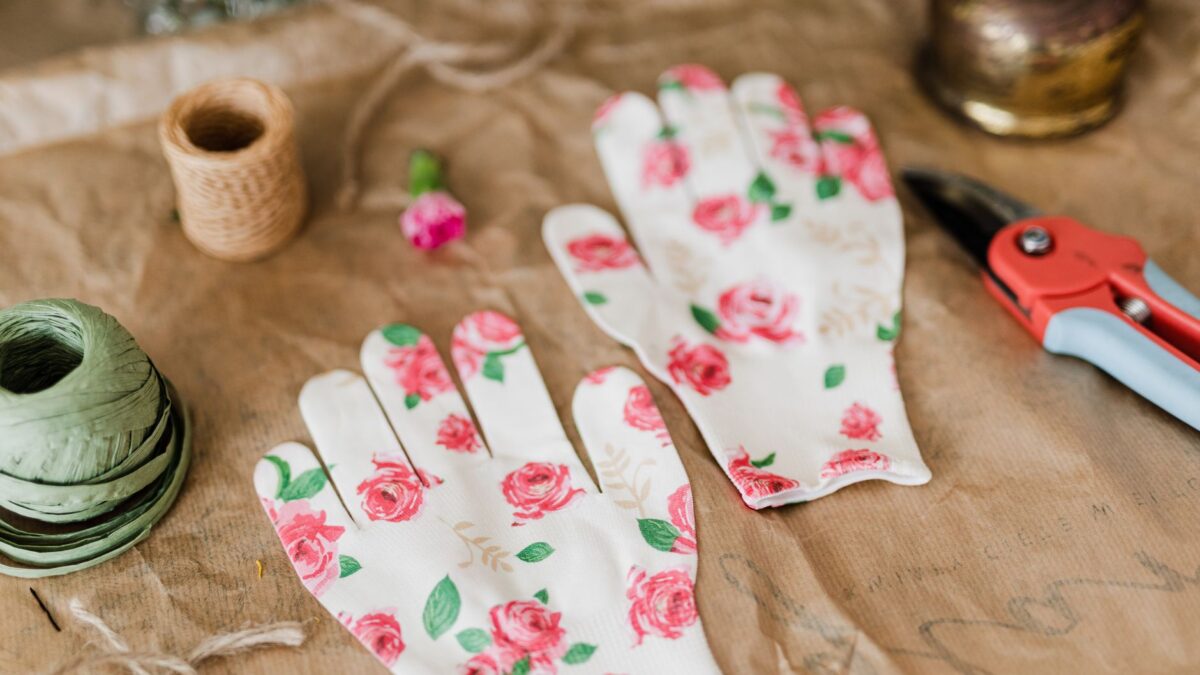
The best stocking stuffers for gardeners under $20 are small things that wear out, get lost or run out every season: good gloves, garden twine, plant labels and a marker, seed packets, plant ties, a sharpening stone and tool oil. Gardeners rarely buy these for themselves until they run out, so a fresh supply is almost always welcome. Big tools and decorations are harder to get right; consumables are a safe bet even if you know little about their garden.
Why do consumables make better gifts than gadgets?
Consumables make better gifts because a gardener is guaranteed to use them, while gadgets often duplicate something they already own or end up in a drawer. Most gardeners have a favorite trowel and pruner already, and they tend to be particular about them. Items that get used up do not compete with those favorites.
- They wear out on a schedule. Gloves split, twine runs out, labels fade in the sun.
- They get lost. Labels, ties and small snips disappear into beds and compost heaps every year.
- They fit a stocking. Nearly all of them are small, light and unbreakable.
If you have more to spend or want one larger present to go with the stocking, our guide to useful gardener gifts at different budgets covers bigger items.
Which small tools and supplies do gardeners actually use up?
These fifteen items are the ones most gardeners replace regularly, grouped by what they are for.
Hand protection
- Gardening gloves. Nitrile-coated knit gloves are the everyday workhorse: thin enough for seedlings, washable and cheap enough to replace. Buy a size up if unsure, since tight gloves are tiring.
- Thorn-resistant or leather gloves. Useful for roses, brambles and pruning, and they last longer than knit gloves.
- Heavy hand cream or barrier balm. Gardeners’ hands dry and crack, especially in cold months.
- A stiff nail brush. Simple, and used every time someone comes in from the beds.
Tying, labeling and planting
- Garden twine. Jute twine is soft on stems and can go in the compost at the end of the season; a twine tin or dispenser keeps it from tangling.
- Soft plant ties or stretch tie tape. Reusable ties for tomatoes, climbers and young trees that will not cut into bark.
- Plant labels and a waterproof marker. Plastic, wooden or metal labels plus a fade-resistant garden marker or pencil. Ordinary markers often fade within one summer outdoors.
- Seed packets. Pick easy, reliable crops such as lettuce, radishes, bush beans, basil, zinnias or sunflowers rather than rarities that may not suit their climate.
- Seed-starting supplies. Peat-free pellets, small pots or a cell tray are used up every spring by anyone who grows from seed.
- Seed storage envelopes. Small paper envelopes for saving and swapping seeds, with room to write the variety and year.
Tool care and small tools
- A pocket sharpener or diamond file. Keeps pruner and shears blades clean-cutting. Our step-by-step guide on sharpening pruners, shovels and hoes shows how they are used.
- Tool oil and a rag. A small bottle of light oil, such as camellia oil, protects blades from rust after cleaning.
- Snips or harvest scissors. Small spring-loaded snips are handy for herbs, deadheading and harvesting, and they go missing often enough that a spare is useful.
- Hose washers and a spare connector. Rubber washers perish and connectors crack; a small pack stops leaks at the tap.
- A garden notebook. A weatherproof or pocket notebook for recording sowing dates, varieties and what worked.
How do you choose the right size and type?
Choose by looking at what they already grow and what they already use, because the most useful gift is a refill of something familiar. A few quick checks help:
- Gloves: borrow a glove they own to compare, or pick an adjustable or stretch style.
- Seeds: vegetable growers like crops they already grow in a new variety; flower gardeners like easy annuals. Check the packet date so the seed is for the coming season.
- Sharpeners: a flat diamond file works on most pruners and shears. If you are not sure what kind of pruner they have, our comparison of bypass and anvil pruners explains the difference.
- Labels: people with many pots like small stick-in labels; people with raised beds or fruit trees prefer larger stakes or tie-on tags.
What should you avoid putting in a gardener’s stocking?
Avoid gadgets with one narrow use, low-quality tools that bend or blunt quickly, and anything chemical. Specific things to skip:
- Pesticides, weed killers and fertilizers. Gardeners have strong views on what they use, and these products need careful storage away from children and pets. If they ask for a particular product, buy exactly that one.
- Novelty multi-tools. Several cheap tools combined into one usually do each job poorly.
- Very cheap pruners. Soft blades crush stems instead of cutting them cleanly. A sharpener for their existing pruner is a better use of a small budget.
- Seeds unsuited to their region. Plants that need a long hot season will struggle in a short northern or UK summer.
- Decorations they have to find room for. Gnomes and signs are personal tastes; supplies are not.
How can you make a small gift feel more thoughtful?
Group a few related items into a small kit so the stocking has a clear purpose. Some combinations that work well:
- Seed-starting kit: two or three seed packets, plant labels, a waterproof marker and a pack of pellets.
- Pruning kit: a pocket sharpener, a small bottle of tool oil, a rag and thorn-resistant gloves.
- Tying kit: a roll of jute twine, soft plant ties and a pair of snips.
- Hand-care kit: knit gloves, hand balm and a nail brush.
- Record-keeping kit: a garden notebook, seed envelopes and a pencil.
A short note about why you chose each item, such as “for the tomatoes” or “for your rose pruning”, makes even a pack of labels feel personal.
Quick answers
What is the single most useful cheap gift for a gardener?
A pair of good gardening gloves in the right size. Gloves wear out faster than almost any other gardening item, and most gardeners are always one pair short.
Are seed packets a good stocking stuffer?
Yes, as long as they are easy, widely grown varieties packed for the coming season. Lettuce, radishes, beans, basil, zinnias and sunflowers suit most gardens in the US, Canada and the UK.
Is it a good idea to give organic pest sprays as a gift?
Usually not, unless the gardener has asked for a specific product. Choices depend on the pest and the plant, as our comparison of neem oil and insecticidal soap shows, and any pesticide should be used only according to its label.
What gift suits a gardener who seems to have everything?
Refills and tool care: twine, labels, gloves, a sharpener and tool oil. Even well-equipped gardeners use these up every year.