When to Mulch Garlic for Winter, and When to Pull It Back
A good layer of mulch keeps garlic from heaving out of the soil and holds down spring weeds. The trick is putting it on late enough and easing it off in time.
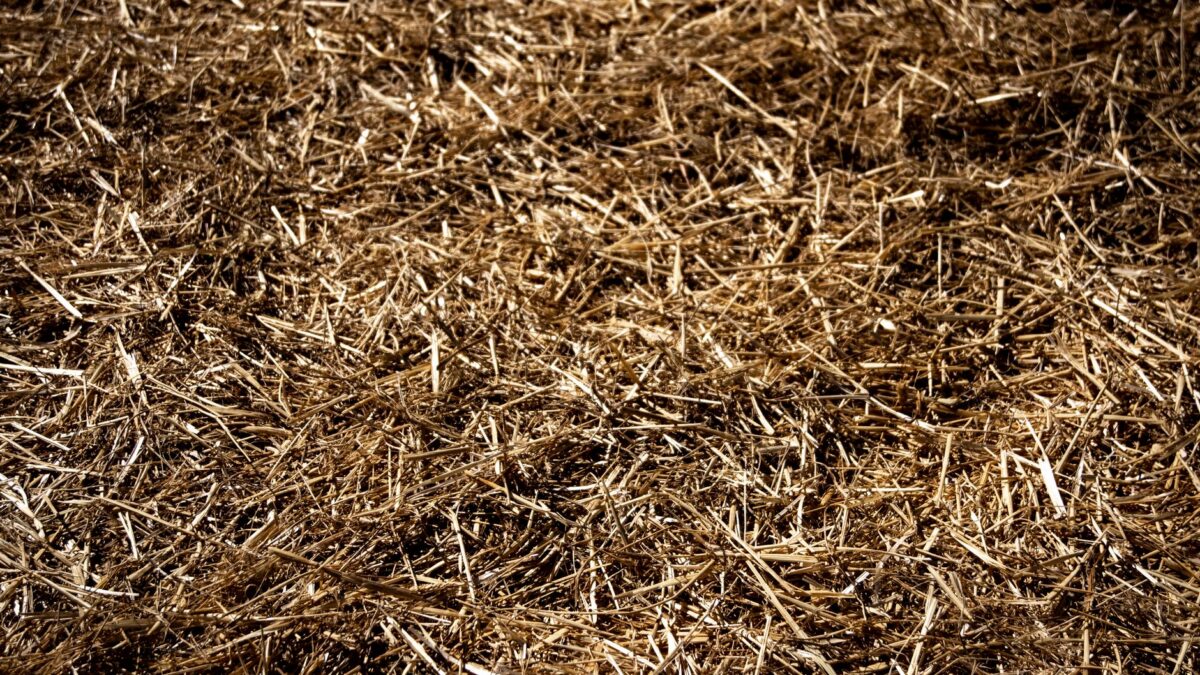
Mulch garlic once the ground has started to freeze, which is usually mid to late November in northern gardens. Spread 3 to 4 inches of straw or shredded leaves over the bed, or more in the coldest zones. In early spring, when green tips appear, pull the mulch back from the plants and leave it between the rows to hold down weeds.
Why mulch garlic at all?
Mulch doesn’t keep garlic warm. It evens out soil temperature so the bed doesn’t cycle between freezing and thawing. Those cycles cause frost heave, where expanding ice pushes shallow cloves toward the surface and leaves young roots exposed.
Mulch has two other benefits. It keeps spring weeds down, which matters because garlic competes poorly with them. It also holds soil moisture as bulbs start to size up.
Timeline by season
Dates vary with your zone. Use the soil and the plants as your signal.
| Stage | Typical timing | What to do |
|---|---|---|
| Planting | Fall; see our garlic planting calendar | Water if the soil is dry. In cold zones, hold off on mulch |
| Fall shoots | A few weeks after planting | Don’t worry. Fall shoots usually survive and regrow |
| Ground starts to freeze | Mid to late November in the north | Spread mulch over the whole bed |
| Midwinter | December to February | After a windy spell, top up bare patches. Press any heaved cloves back into the soil if you see them during a thaw |
| Early spring | When green tips show under the straw | Pull mulch away from plants, leaving it between rows. Loosen any packed layer |
| Spring growth | April to May, later in the north | Keep a thin layer for weed control and moisture. Weed by hand |
| Mild-winter gardens, zones 8–10 | After shoots emerge in fall or winter | Use 2 to 3 inches, keeping it 2 to 3 inches from stems, as University of Georgia Extension advises |
How deep should the mulch be?
Published advice covers a wide range, largely because winters differ so much:
- 1 to 2 inches: a light layer, suggested by University of Nebraska-Lincoln Extension.
- 3 to 4 inches: the middle ground, from University of Minnesota Extension. University of New Hampshire Extension uses 4 inches.
- 6 to 8 inches: South Dakota State University Extension, for exposed northern gardens with repeated freezes and thaws.
For most gardens, 3 to 4 inches of loose material is plenty. Go deeper in zones 3 and 4, especially if your bed is windy and snow doesn’t stay. Don’t compress it, because fluffy straw settles on its own.
Which mulch to use
| Material | Depth | Pros | Cons |
|---|---|---|---|
| Straw | 3–4 in. loose; deeper in the far north | Light, airy, easy to pull back | Can blow around; grain heads may sprout; voles like it |
| Shredded leaves | 3–4 in. | Free, stays in place, feeds the soil | Must be shredded first |
| Whole leaves | Not recommended on their own | Free | Maple and similar leaves can mat and get soggy, so shoots struggle through |
| Dry grass clippings | Thin layers, mixed with straw or leaves | Cheap and available | Can mat; use only clippings free of weed killers |
| Hay | Not recommended | Cheap | Usually more weed seed than straw |
Straw and shredded leaves are the standard choices, and both work. Which is better comes down to what’s cheapest and closest. For wider comparisons, including when wood mulch makes sense, see hardwood mulch vs pine bark vs straw.
Dealing with rodents
A deep, dry layer of mulch can give voles and mice a winter home. That’s a bigger risk for nearby fruit trees and shrubs than for the bed itself. To limit trouble:
- Wait for frozen soil before mulching, so the bed doesn’t offer early shelter.
- Keep garlic bed mulch well away from tree trunks and shrub stems.
- Clear piles of brush near the bed.
- Look for narrow surface tunnels after snowmelt. Our guide to moles vs voles helps you identify the culprit.
Skip poison baits near food crops. They carry risks for pets, children and wildlife.
When to pull mulch back in spring
Sources differ here too, so you can pick what suits your climate:
- When green tips show: UMass Amherst advises pulling straw back as shoots emerge and leaving it between rows.
- After hard freezes are over: University of Minnesota says to remove it then so the soil warms.
- After the frost-free date: Kansas State University suggests waiting until then and fertilizing after removal.
A simple rule is to loosen or part the mulch when shoots appear, because garlic can push through a light layer but can get tangled under a matted one. Then move most of it to the rows when hard freezes have passed. In a cold, wet spring, clear it sooner so the soil can warm and dry.
Bottom line
Wait until the soil begins to freeze, then add 3 to 4 inches of straw or shredded leaves, with more in the far north and less in mild climates. Keep mulch away from nearby tree trunks. As soon as shoots show in spring, ease it back and let it do double duty as weed control between rows.
FAQ
Can I mulch garlic right after planting?
In mild zones, it does little harm. In cold zones, waiting is better, since early mulch can keep soil warm and encourage top growth before winter.
Will garlic grow through mulch?
Yes, through a loose layer. If you see shoots bending under packed mulch, loosen it by hand as New Hampshire’s extension suggests.
What if I forgot to mulch before snow?
Spread it on during a thaw, or on top of light snow. Snow itself insulates well, so a late layer is fine.
Should I remove mulch completely?
Not usually. Leave a layer between the rows to hold moisture and block weeds through bulb growth.