When to Plant Garlic: Calendar by Zone, and Is November Too Late?
Garlic wants to root in fall and bulb up the next summer. If you can still work the soil in November, you are probably not too late.
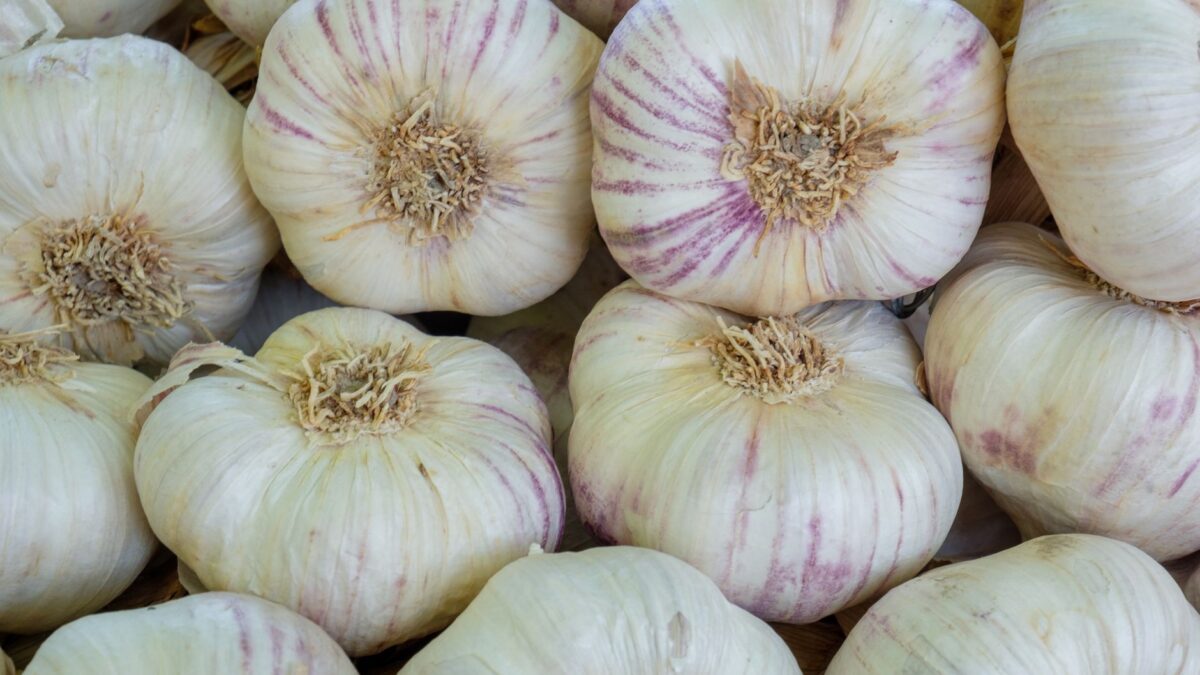
Plant garlic in fall, a few weeks before the ground freezes, so cloves can grow roots but little top growth before winter. That usually means late September to October in cold zones, October to November in the middle of the country, and November to December in the mildest zones. November isn’t too late if you can still dig the soil, so plant now rather than waiting.
Why fall planting works best
Garlic needs a stretch of cold to form proper bulbs. Sources vary on exact length: University of Georgia guidance calls for 6 to 8 weeks below 40°F, while University of Delaware material cites 3 to 6 weeks. Fall planting covers this naturally.
Roots grow while the soil is cool, the plant rests through the coldest weather, and then it takes off in spring. Planted in the right window, it has a head start that spring-planted cloves can’t match.
Garlic planting calendar by USDA zone
These windows are rough, pulled together from state extension advice rather than a single national chart. Elevation and local weather shift them, so your county extension office has the final word.
| USDA zone | Typical planting window | Best type | Harvest |
|---|---|---|---|
| 3–4 | Late September to mid-October | Hardneck | July |
| 5 | Early October to early November | Hardneck | Late June to July |
| 6 | Mid-October to mid-November | Hardneck or softneck | Late June to early July |
| 7 | October through November | Softneck or hardneck | June |
| 8 | Late September through November | Softneck | Late May to June |
| 9–10 | November to December, often after chilling cloves | Softneck | Spring to early summer |
A few published examples: University of New Hampshire Extension says around October at northern sites and November at southern ones. University of Georgia gives late September through November. A North Carolina extension calendar runs September 15 to November 30 for the Piedmont. The University of Florida says late fall through early winter.
Is it too late to plant in November?
Check the soil, not the calendar.
- You can get a trowel in: plant this week. Even if roots only just get started, you should still get a harvest, though bulbs may be smaller.
- The top inch is crusty but soft underneath: break through and plant. Add mulch right after.
- The soil is solidly frozen: don’t force it. See the next section.
- You live in zones 7 to 10: November is prime time.
What to do if the ground is already frozen
You have two choices:
- Wait for a thaw. In many zones, a mild spell in late fall or early winter softens the top few inches. Plant then, and mulch afterward.
- Plant in early spring. As soon as the soil can be worked, plant your cloves. New Hampshire’s fact sheet calls March to April planting less reliable, but it can still work. Delaware’s guidance on late-winter planting recommends giving cloves a stretch in cold storage first to make up for the missing chill.
Expect smaller bulbs from a spring planting. Some may form a single round bulb with no separate cloves. Those are still good to eat, and they can be replanted.
How to plant garlic
- Choose good stock. Use seed garlic from a reputable supplier. Grocery garlic is hit or miss, for reasons we explain in hardneck vs softneck garlic.
- Prepare the bed. Pick a sunny spot with well-drained soil, and work in compost. A soil test tells you whether you need anything else. Avoid beds that held onions or other alliums recently; our crop rotation guide shows how to plan it.
- Separate cloves just before planting. Keep the papery skins on, and use the largest cloves. Set aside small cloves for the kitchen, and discard any with mold or damage.
- Plant pointed end up. Set cloves 2 to 3 inches deep, a bit deeper in cold zones. Georgia’s range is 1 to 3 inches, so stay near the shallow end in mild climates.
- Space them. Allow about 6 inches between plants, with rows 12 to 14 inches apart.
- Water once. Moisten the bed if it’s dry, then leave it. Soggy soil can rot cloves.
- Mulch at the right time. In cold zones, wait until the ground starts to freeze. See when to mulch garlic for details.
Mild-winter tip: chill your cloves
In zones 9 and 10, winters may not supply enough cold. A University of Florida county article suggests refrigerating cloves for about two months and then planting in November or December. It also warns that garlic isn’t as robust in Florida as elsewhere, even with chilling. Stick to softneck types, since hardneck garlic needs a real winter.
A note on pets
Garlic is toxic to dogs and cats, as are onions and other alliums. Keep stored bulbs and cloves out of reach, and watch any dog that likes to dig in the beds.
Bottom line
Aim to plant a few weeks before your ground freezes. If you missed that window but the soil is still workable, plant now. If it’s frozen, wait for a thaw or plant in early spring and accept smaller bulbs. Set large cloves 2 to 3 inches deep and 6 inches apart, pointed end up.
FAQ
Can I plant garlic in December?
Yes, if your soil isn’t frozen. It’s normal in the Deep South and can work elsewhere during a thaw, though bulbs may be smaller in colder zones.
What happens if I plant garlic too early?
Green shoots may appear in fall. University of New Hampshire Extension says this usually isn’t a concern, and the plants generally survive and regrow in spring.
Can I plant garlic in spring instead?
You can, but it’s less reliable. Cloves get less cold and less time to grow, so bulbs tend to be smaller.
Can I plant sprouted garlic from the kitchen?
It may grow, but results are unpredictable. It might not suit your climate, and it hasn’t been checked for disease. Seed garlic is the safer choice.