Why Does My Zucchini Have Flowers but No Fruit? How to Fix It
A zucchini covered in blooms and no squash is usually a timing or pollination issue, and both are easy to work around with a small brush.
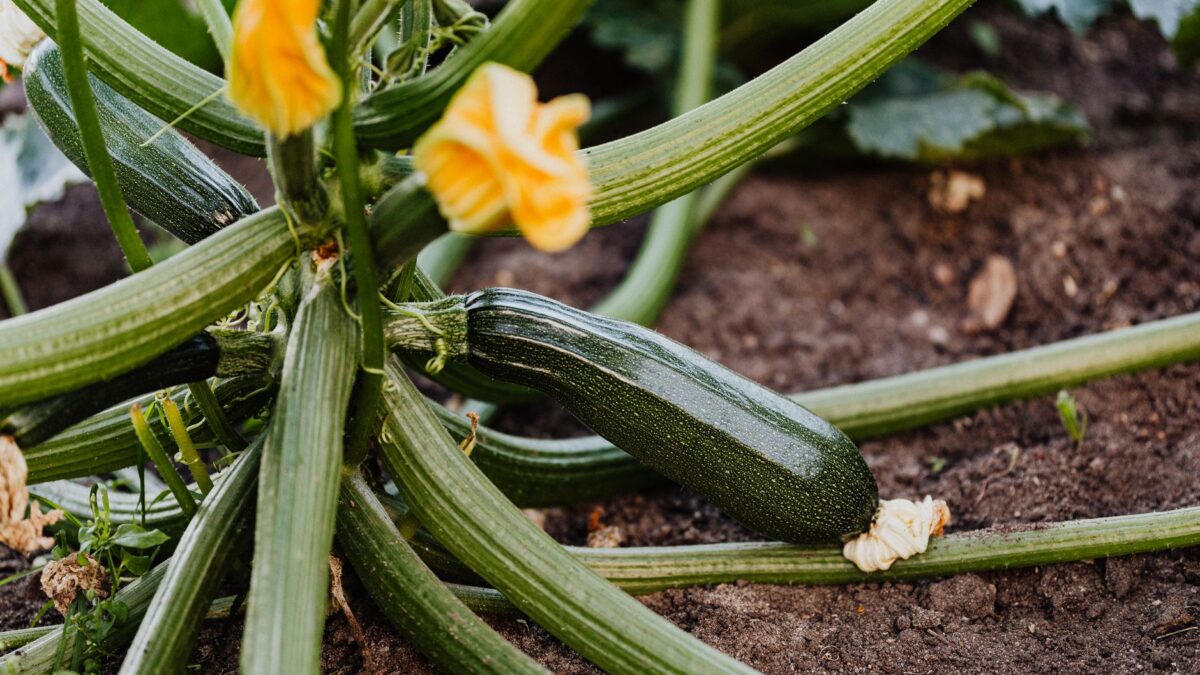
If your zucchini has just started blooming, it is probably making male flowers, which never turn into fruit. That is normal, and female flowers usually follow within 1 to 2 weeks. If both kinds are open and the tiny fruits still shrivel, pollination is failing, and you can fix that by hand-pollinating early in the morning with a small brush.
Zucchini and other squash carry separate male and female flowers on the same plant. Bees have to carry pollen from one to the other on the day the flowers open. Anything that upsets that timing, or keeps bees away, means blooms without squash.
Tell male and female flowers apart
| Feature | Male flower | Female flower |
|---|---|---|
| Base of flower | Long, thin stem | Tiny fruit behind the petals |
| Inside the flower | Single pollen-covered column (anther) | Branched, sticky center (stigma) |
| Arrives | First, and in greater numbers | Usually later |
| Afterward | Withers and drops, which is normal | Fruit grows if pollinated; shrivels if not |
Diagnose it by what you see
Only male flowers so far
The University of Maryland Extension says squash produce male flowers for 1 to 2 weeks before female flowers appear, and the gap varies by variety. Don’t pull the plant. Be patient. Heat, low light, high nitrogen and crowded planting all favor male flowers, so check those if the wait drags on.
Both flowers, but baby fruit turns yellow and drops
This is the classic sign of poor pollination. The small fruit starts to grow, gets no pollen, softens and falls off, or it grows deformed at one end. Common reasons include rainy or cool weather that keeps bees in, very high temperatures that damage pollen, and pesticide use that kills bees. Row covers left on after flowering starts will also block them.
Fruit rots with fuzzy gray growth
If the tip turns dark, mushy and fuzzy, it may be Choanephora rot, a fungal disease of warm, wet weather that starts on old flowers. Remove blossoms stuck to young fruit, and discard any infected fruit and flowers. Don’t leave them on the ground. Better spacing lets plants dry faster.
Dark, leathery patch on the blossom end
This is blossom end rot, not a pollination issue. Keep plants evenly watered and mulched, and avoid high-nitrogen fertilizer.
Lots of huge leaves, few flowers
Too much nitrogen pushes vine growth at the expense of fruit. Stop feeding, and hold off on lawn fertilizer near the bed. Maryland Extension suggests side-dressing only when female flowers begin to appear.
A few fruits set, then nothing
Fruit left on the plant holds back new fruit. Pick zucchini young, at about 6 to 8 inches long, and the plant keeps producing. One giant zucchini hidden under a leaf can slow the whole plant.
The whole plant suddenly wilts
This has nothing to do with flowers. Look for holes and sawdust-like frass at the stem base, which point to squash vine borer.
How to hand-pollinate zucchini
- Go out early. Squash flowers open in the morning and last only one day, so aim for the first few hours after sunrise.
- Find an open female flower. Look for the miniature fruit behind the petals.
- Find a fresh male flower. Pick one that opened the same morning and has loose yellow pollen. Use another flower from your zucchini or a related summer squash.
- Collect the pollen. Dab a small paintbrush or cotton swab on the center of the male flower. Or snip the male flower, peel back the petals and use it as the brush.
- Transfer it. Gently brush or roll the pollen onto the sticky center of the female flower, covering all of its lobes.
- Repeat. One male flower can usually serve a few females. Do this each morning until bees show up.
- Check in a few days. A pollinated fruit starts to swell quickly. One that goes soft and yellow did not take.
Pollen only works within the same species, so a zucchini can’t be pollinated by a butternut, for example. See this short University of New Hampshire Extension note on the method.
How to get better fruit set next season
- Plant flowers nearby. A mix of blooms in or around the vegetable bed helps attract pollinators.
- Protect bees. Don’t spray open flowers. If you must treat a pest, follow the label and spray late in the evening, when bees are less active.
- Remove row covers at bloom, unless you plan to hand-pollinate.
- Feed by soil test. Extra nitrogen means more leaves and more male flowers.
- Give plants full sun and room. Shade and crowding both reduce female flowers.
- Try parthenocarpic varieties. These zucchini set fruit without pollination, so they can stay under insect netting for the whole season. That is useful in cities with few bees, or where pests are severe.
Tomatoes can drop blossoms for related reasons, which we cover in why tomato plants flower with no fruit. Planting dates depend on your USDA hardiness zone, but squash is frost-tender, so wait until the soil has warmed.
Bottom line
Check the base of the flowers first. Male flowers only? Wait a week or two. Both kinds open and fruits shriveling? Hand-pollinate in the morning and look after your bees. Rotting tips, huge leaves or sudden wilt have other causes and other fixes.
FAQ
Should I remove the male flowers?
No. You need them for pollen. They drop on their own after a day, which is normal and no sign of disease.
Why are my baby zucchini turning yellow and falling off?
Usually because the flower wasn’t fully pollinated. The first round of fruit is especially likely to fail. Hand-pollinate, and the next fruits should do better.
Do I need two zucchini plants?
Not strictly, since one plant has both flower types. But the two kinds need to be open on the same day, and with more plants that happens more often.
Can heat stop zucchini from fruiting?
Yes. High temperatures can injure flowers and reduce pollen, and they favor male flowers. Production usually improves when the weather cools, as long as the plant is kept watered and healthy.