Why Are My Cucumbers Bitter? Causes, Fixes and What to Plant Next Time
Bitterness builds up when vines are stressed, and it collects in the skin and stem end. Here is how to rescue the fruit you have and prevent it next year.
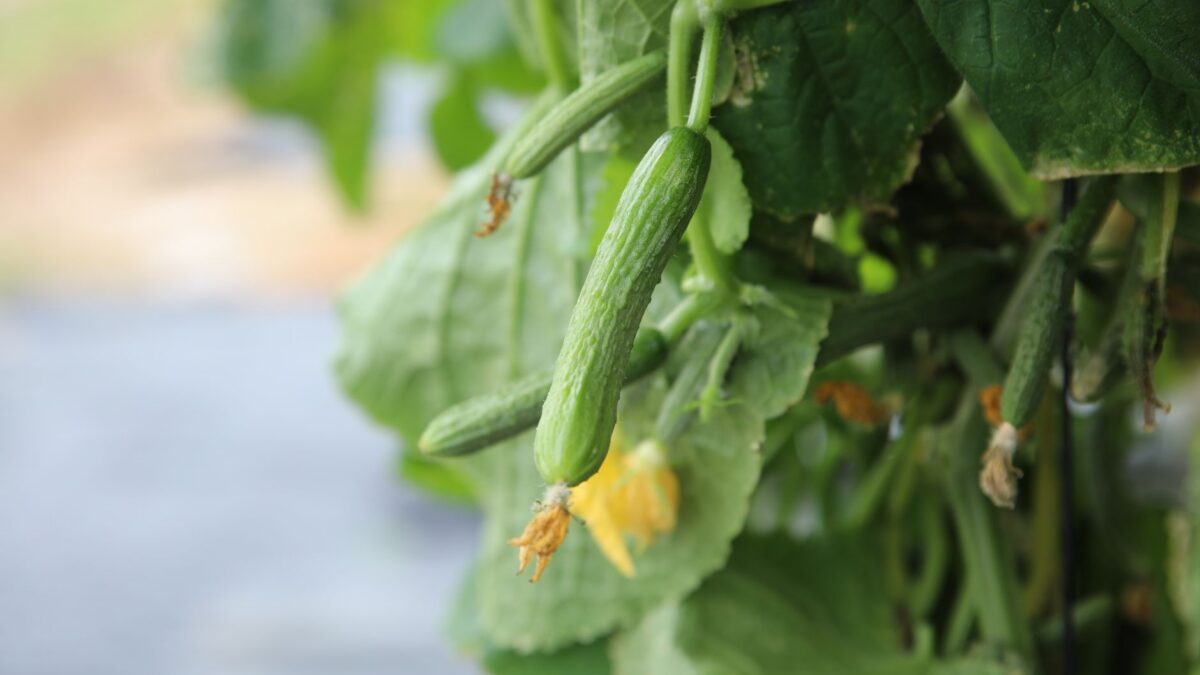
Cucumbers turn bitter when stress from dry soil, uneven watering or big temperature swings increases natural compounds called cucurbitacins, and some varieties are more prone to it than others. For fruit you have already picked, peel it and cut off the stem end. For the rest of the season, keep watering steady. Next year, plant burpless or other newer varieties bred for low bitterness. One exception: never eat fruit that is extremely bitter.
What makes a cucumber bitter
All cucumbers, squash and melons make cucurbitacins. In cultivated varieties the levels are normally too low to taste. Stress on the vine pushes them up, and they collect most heavily at the stem end and just under the skin. That is why one end of a cucumber can taste fine while the other makes you wince.
Extension sources describe the weather part in slightly different ways. Some name high temperatures, while others link complaints to cool spells during fruiting. University of Minnesota Extension points to swings of 20°F or more. The common thread is stress and instability, not any single temperature.
Causes and fixes
| Cause | Clues | Fix now | Next season |
|---|---|---|---|
| Dry or uneven soil moisture | Soil dries out between waterings; fruit is misshapen with pointed ends | Water deeply and on a regular schedule; add mulch | Set up drip or a soaker hose and mulch from the start |
| Temperature swings | Bitterness follows a run of large day-night or week-to-week changes | Keep soil moisture steady and wait for settled weather | Plant when soil is warm, about 65°F, not before |
| Older, thick-skinned variety | All fruit on the same variety tastes bitter, season after season | Peel and trim | Choose burpless or low-bitterness varieties |
| Overgrown or misshapen fruit | Oversized fruit, or odd shapes | Pick often and compost the misshapen ones | Harvest smaller and more regularly |
| General vine stress | Weak, unthrifty plants in poor soil or low sun | Correct the main stress first | Choose a sunny site with fertile, well-drained soil |
How to rescue the fruit you have
- Wash the cucumber and slice off the stem end. Bitterness is strongest here.
- Taste a tiny piece from the cut end. Spit it out if it tastes harsh.
- Peel it thickly, because the compounds sit just under the skin.
- Keep trimming back from the stem end until the flesh tastes mild.
- Throw it out if it is still strongly bitter.
- Store the good ones away from ripening fruit. One extension note lists storage near other fruits as a contributor to bitterness.
When bitterness is a warning sign
Mild bitterness is usually a quality problem. Strong bitterness is different. Oregon State University Extension warns that a couple of grams of extremely bitter squash can cause diarrhea and stomach cramps lasting up to three days. In rare cases, fruit can inherit high cucurbitacin levels from a cross with wild relatives.
So spit out the first bite if a fruit tastes intensely bitter, and do not eat the rest. Be especially careful with volunteer plants that sprouted from the compost pile, or fruit that doesn’t look like what you planted. A clue from Oregon State: stress bitterness tends to show up across all your plants and fades as growing conditions improve. Bitterness bred into a plant doesn’t improve.
How to prevent bitter cucumbers next season
- Water deeply and evenly. Utah State University Extension suggests 1 to 2 inches a week, depending on plant size, applied so it soaks in deeply. Letting plants run short of water leads to bitter, misshapen fruit. Our guide on how often to water vegetables explains how to adjust for your soil.
- Automate it if you can. A simple line at soil level beats hand-watering in hot spells. See soaker hose vs drip irrigation to pick a setup.
- Mulch. Organic mulch holds soil moisture and reduces the swings between wet and dry.
- Choose varieties carefully. Bitterness varies by variety. Burpless types are bred with lower cucurbitacin levels, and catalogs often flag newer varieties as bitter-free.
- Plant at the right time. Wait for warm soil. Planting dates depend on your USDA hardiness zone and last frost date.
- Pick often. Harvest at the size listed for the variety, and don’t leave fruit to overgrow.
- Start with good soil. Work in compost before planting and use a soil test to guide fertilizer.
Myth check: does growing melons nearby cause it?
No. Utah State Extension says that, contrary to popular belief, cucumbers do not cross-pollinate with cantaloupe, squash or watermelon and turn them bitter. Besides, a cross wouldn’t change the flavor of this year’s fruit. The cross only shows up in plants grown from seed the next year. Keep your beds arranged however suits your space. If you want to learn how squash flowers really work, our piece on zucchini flowers with no fruit explains it.
Bottom line
Bitter cucumbers are nearly always a sign of a stressed vine or an older variety. Peel and trim what you pick, keep the water steady, mulch the bed and choose burpless or low-bitterness types next year. Treat any intensely bitter fruit as unsafe and throw it away.
FAQ
Are bitter cucumbers safe to eat?
Mildly bitter cucumbers can usually be peeled, trimmed and eaten. If a fruit tastes extremely bitter, spit it out and discard it, as high levels can cause stomach upset.
Why is only the stem end bitter?
Cucurbitacins concentrate at the stem end and under the skin. Trimming that end and peeling usually removes most of the bitterness.
Will a bitter vine recover?
Usually, if stress caused the problem. New fruit should taste better once watering is steady and the weather settles. If bitterness doesn’t improve under good conditions, it may be in the plant’s genetics, so don’t eat the fruit.
Do burpless cucumbers ever turn bitter?
They are much less likely to, but no variety can be guaranteed. Severe stress can still affect flavor, so even watering matters for every type.