Freeze-Damaged Shrubs: When to Prune and How to Check for Life
Brown leaves after a hard freeze look like the end, but they often aren't. Here is how to tell what survived and why patience pays off.
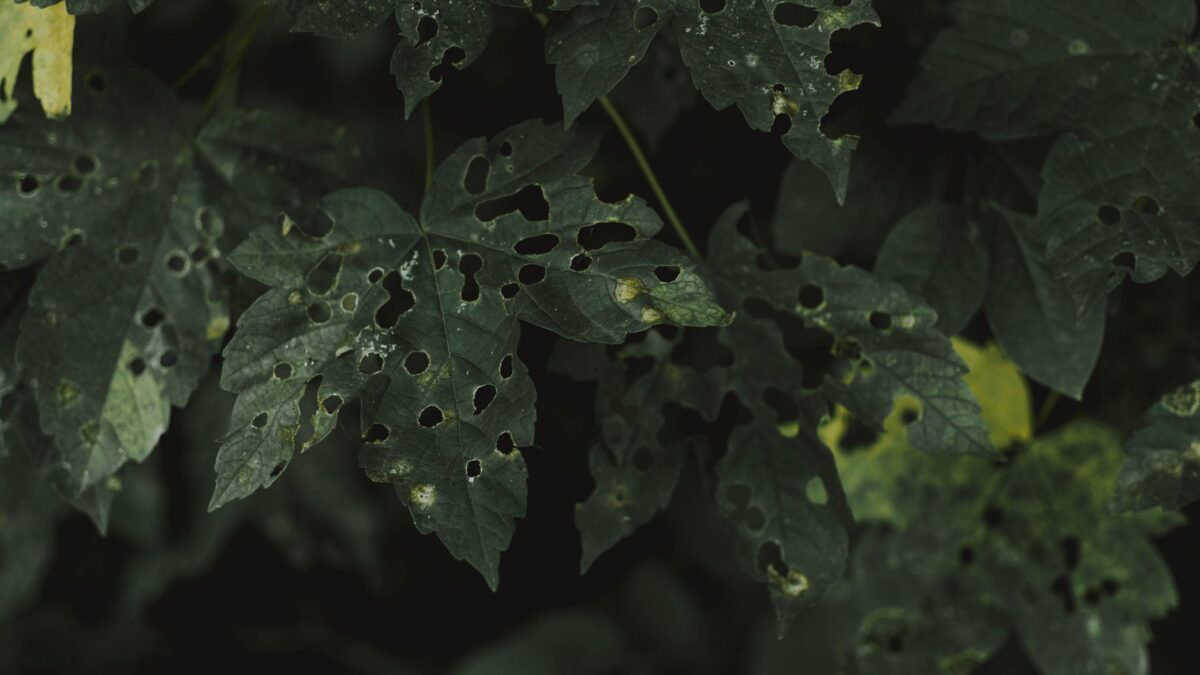
Don’t cut back a freeze-damaged shrub right away. Wait until new growth appears in spring, then use a fingernail scratch test to find living wood and prune to just above it. Brown leaves don’t always mean dead branches, and the dead foliage can shield the plant from the next cold spell.
Why waiting works
Three things make early pruning a bad bet:
- Damage takes time to show. Leaves may scorch within days, but dieback in woody stems can take weeks or months to become clear.
- Dead leaves still do a job. The University of Florida notes that dead foliage looks bad but helps insulate plants from further injury.
- Pruning can trigger growth. Soft new shoots are the first thing a later freeze kills.
Reading the symptoms
| What you see | What it usually means | What to do |
|---|---|---|
| Leaves dark or water-soaked at first, then brown and crisp | Leaves are dead, but stems may be fine | Leave them; check stems in spring |
| Brown leaves that cling to twigs through winter | Possible twig dieback | Scratch test in spring |
| Flower buds brown or dropping, leaves fine | Buds were killed, plant is alive | No pruning needed; expect few flowers this year |
| New spring shoots blackened after a late frost | Fresh growth was killed | Trim dead tips if you like; many shrubs push out new leaves from stored energy |
| Bark split or lifting near the base | Serious stem injury | Don’t remove the plant yet; watch it through spring and summer |
| No growth by late spring and brown under the bark to the base | Top is dead | Cut it down, watch for root sprouts, then replace if none appear |
Browning limited to one side of an evergreen is often a different problem. See evergreen winter burn, and if the plant is a boxwood, our boxwood guide covers the look-alikes.
How to do the scratch test
- Wait until spring, when the plant has had time to show what happened.
- Start near a branch tip. Scrape a small patch of bark with your fingernail or a pocketknife.
- Look at the layer under the bark. Bright green or moist means living tissue. Tan, brown or black means dead tissue.
- Move down the branch, testing every few inches until you hit green.
- Repeat on several branches, since damage is rarely even.
A bend test helps too. A live stem flexes, while a dead one snaps. The same checks apply to trees, as our guide to telling whether a tree is dead explains.
When to prune: a timeline
Dates depend on your zone. A shrub in zone 9 may wake up in February or March, while one in zone 5 may not show anything until May.
| Time | What to do | What to avoid |
|---|---|---|
| First week after the freeze | Check soil moisture and water if it’s dry and not frozen. Clear collapsed soft-stemmed plants so they don’t rot | Pruning; UF/IFAS advises waiting at least 3 to 7 days before even assessing injury |
| Rest of winter | Leave dead foliage in place. Remove broken branches for safety | Fertilizer, which can push out tender growth |
| After your last frost date | Scratch test, then light cleanup of clearly dead twigs | Hard pruning until you see where buds are breaking |
| Once new growth appears | Cut back to just above a healthy bud or side branch. Fertilize only if the plant normally needs it | Leaving long dead stubs |
| Late spring | Give slow plants time. Alabama Extension says new growth usually appears by late May if it’s coming back at all | Giving up too soon on plants grown at the edge of their range |
| Summer | Water during dry spells and watch for sudden wilting | Assuming early leaf-out means full recovery |
How to make the cuts
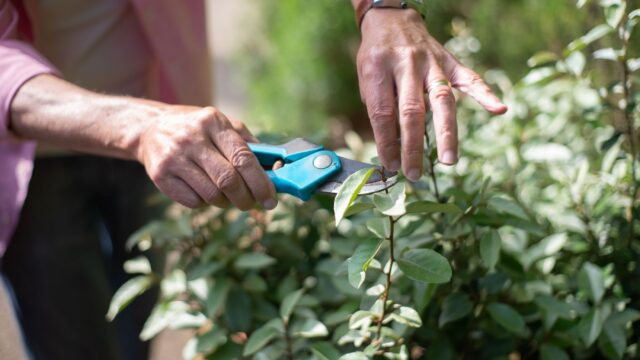
- Use clean, sharp bypass pruners, which make a neater cut on live wood.
- Cut just above a live bud or where a branch meets a healthy stem, rather than shearing the whole shrub to one height.
- Take out dead stems at the base if an entire stem has failed.
- Don’t apply wound paint or sealer.
If the shrub normally blooms on old wood, the freeze may already have taken this year’s flowers, so cutting back won’t cost you more. For regular pruning dates, see when to prune shrubs.
Care during recovery
Water when the soil is dry. Injured plants still need moisture, and University of Georgia specialists also advise scouting before you prune or fertilize. Hold off on feeding until the danger of frost has passed. A plant that has lost a lot of its top doesn’t need a push of nitrogen, since its roots may be larger than what’s left above ground.
Keep a 2 to 3 inch layer of mulch over the root zone, with a gap around the stems.
Bottom line
Leave a freeze-damaged shrub alone until spring, however bad it looks. Keep the soil from drying out, skip the fertilizer, then scratch-test the stems once buds begin to move. Prune back to live wood after you can see new growth, and give slow plants until late spring before you replace them.
FAQ
Should I remove brown leaves after a freeze?
Not yet. They give some protection against the next freeze. Soft leaves that fall on their own can be raked up. Clip dead twigs in spring.
Can I fertilize to help a shrub recover?
Wait until after your last frost. Fertilizing too early can encourage tender growth that a later cold spell will kill.
How long should I wait before giving up?
Until late spring in most zones. If stems are brown to the base and nothing has sprouted from the roots by early summer, the plant is probably gone.
What if the shrub leafs out and then wilts in summer?
Stored energy can power a first flush of leaves even if the stems were badly injured. Check the lower stems for split bark and keep it watered. If it keeps declining, replace it.