When to Prune Shrubs: A Calendar for Spring and Summer Bloomers
The rule is simple once you know whether a shrub blooms on old wood or new wood. Here's a calendar by shrub, plus when to leave them alone.
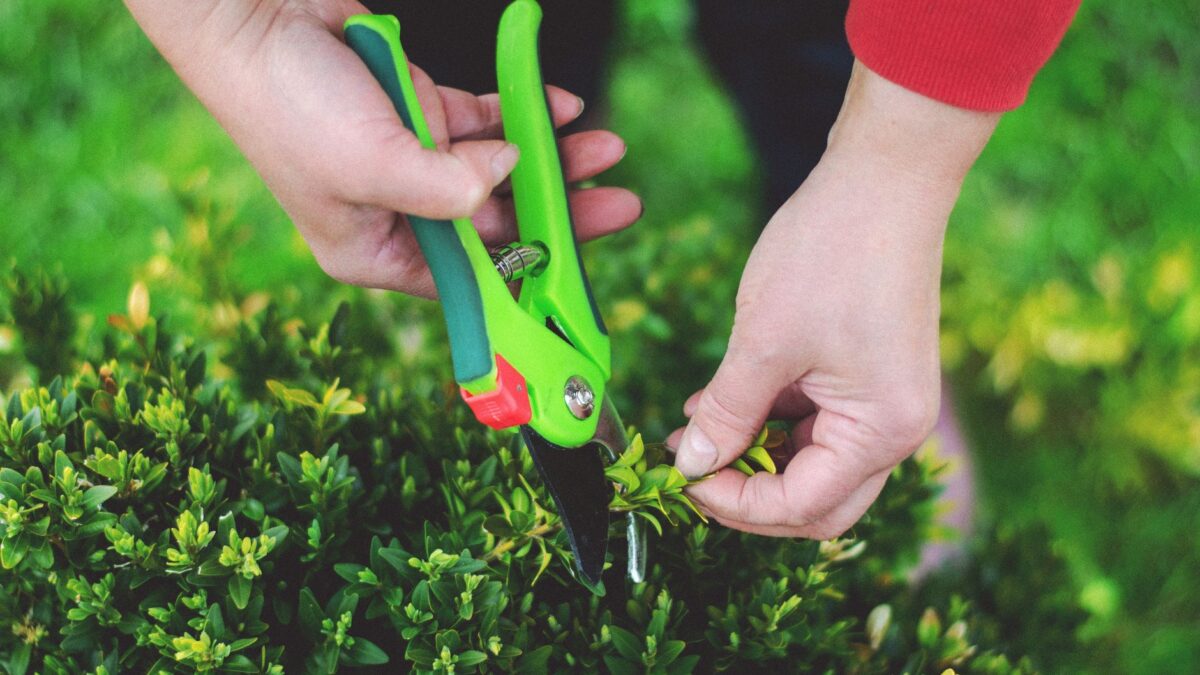
Prune by bloom time: spring-flowering shrubs right after the flowers fade, and summer-flowering shrubs in late winter or very early spring. Spring bloomers open on last year’s wood, so cutting them in winter removes the buds. Avoid routine pruning from mid-August through leaf fall on either group. If it’s November, put the pruners away, apart from anything dead, damaged or diseased.
Old wood vs new wood
Old wood means stems that grew last year. These shrubs form their flower buds the summer before, carry them through winter, and open them in spring. Prune in winter or early spring and you cut off the flowers.
New wood means stems that grow this spring. These shrubs make buds on fresh growth and bloom in summer or fall, so a late-winter prune doesn’t cost you flowers and may encourage vigorous growth.
If you don’t know which you have, note when it flowered. Blooms before about the end of June usually mean old wood. Blooms from July on usually mean new wood, with a few exceptions, shown below.
Shrub pruning calendar
| Shrub | Blooms on | When to prune |
|---|---|---|
| Forsythia, flowering quince | Old wood | Right after spring flowers fade |
| Lilac, viburnum | Old wood | Right after flowering |
| Azalea, rhododendron | Old wood | Right after flowering, including late-blooming azaleas |
| Bridal wreath and Vanhoutte spirea | Old wood | Right after flowering |
| Mock orange, ninebark, weigela | Old wood | Right after flowering |
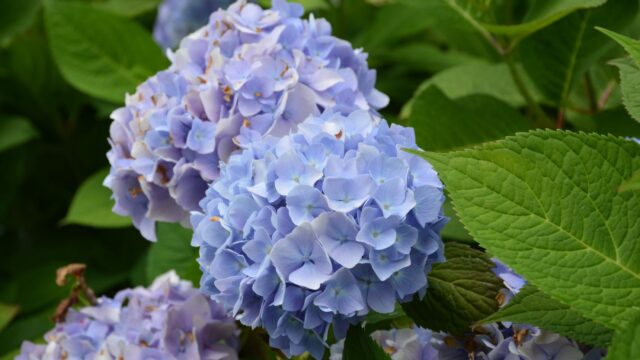
| Bigleaf and oakleaf hydrangea | Old wood | After flowering, no later than midsummer |
| Butterfly bush, beautyberry, chaste tree | New wood | Late winter to very early spring |
| Smooth and panicle hydrangea | New wood | Late winter to very early spring |
| Japanese spirea, potentilla | New wood | Late winter to very early spring |
| Summersweet, rose of Sharon, bluebeard | New wood | Late winter to very early spring |
| Repeat-blooming roses | New wood | Spring, once winter protection comes off |
| Shrubs grown for bark or leaves, such as red-twig dogwood | Not grown for flowers | Late winter or early spring, before growth starts |
| Juniper, yew | Evergreen | Early to mid-April before new growth, with light trims in midsummer |
Hydrangeas are the classic trap, as a single genus falls on both sides of the line. Our guide on when to prune hydrangeas shows how to tell which type you have. Roses have their own guidance, too, and our guide to winterizing roses covers what to do before spring.
What late winter means in your zone
Use your local weather as well as the calendar. Late winter is simply the last part of dormancy, before leaves emerge.
| USDA zones | Rough timing for summer bloomers |
|---|---|
| 3 to 5 | Late March to mid-April |
| 6 to 7 | Late February to March |
| 8 to 9 | Late January to February |
These are ballpark windows, not rules. Spring bloomers don’t need a calendar at all, since you simply follow the flowers.
What to leave alone
Stop routine pruning in late summer. Rutgers Cooperative Extension warns against pruning spring- or summer-flowering shrubs from mid-August through leaf fall, since the new growth it triggers may not harden off before winter.
A few exceptions and cautions apply all year:
- Dead, diseased, damaged or crossing limbs can be removed at any time.
- Newly planted shrubs shouldn’t be pruned unless limbs are damaged, since they need their leaves to establish.
- Winter-browned shrubs are best left until new growth shows you what’s alive. See freeze-damaged shrubs.
Shrubs that need little pruning
Penn State Extension says most shrubs stay healthier and more attractive when allowed to grow naturally, with pruning focused on dead or damaged wood and a more open center. Slow growers such as witch hazel, fothergilla, daphne and pieris generally need very little beyond that. Picking the right size for the spot is the real way to avoid constant cutting.
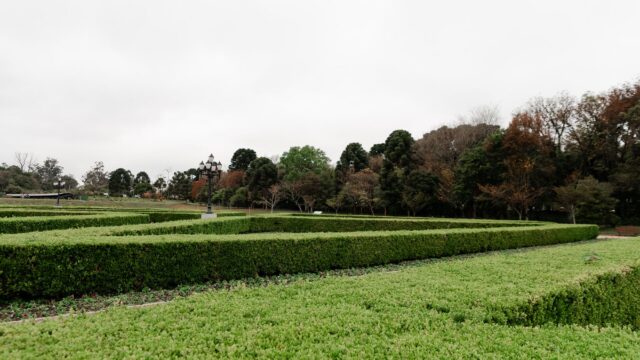
Shearing suits very few plants, so Penn State reserves it for formal hedges. If you do have a hedge, trim it wider at the base than the top, like a narrow pyramid, so that light reaches the lower branches.
How to renew an overgrown shrub
Multi-stemmed shrubs such as forsythia and lilac can be brought back. Iowa State Extension recommends rejuvenating large, overgrown shrubs in late winter or early spring, which is the one time you’ll deliberately prune a spring bloomer before it flowers. It warns that heavy pruning may reduce or eliminate flowers for 2 or 3 years.
- Wait until the shrub is leafless and you can see its structure.
- Remove the oldest, thickest stems at ground level, about one-third of the total.
- Take out damaged, spindly or crowded stems.
- Keep the sturdiest, well-placed younger stems.
- Repeat each year for three years.
- Thin extra suckers later in summer.
A healthy shrub can sometimes be cut back all at once, but the three-year route is gentler, and it’s the one Penn State suggests for unhealthy plants.
Making good cuts
- Cut just above an outward-facing bud or side branch, at a slight angle.
- Make thinning cuts at a side branch or at the base. They keep the natural shape, unlike shearing.
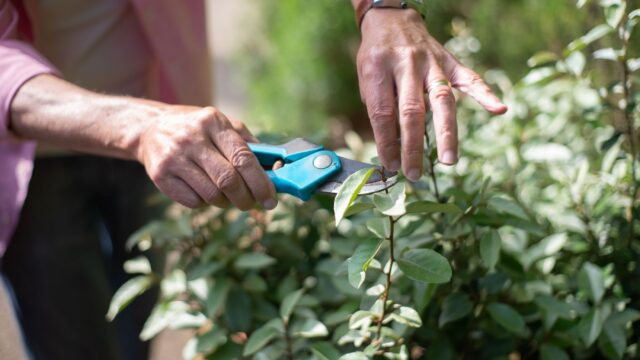
- Use sharp tools matched to the stem size; see bypass vs anvil pruners.
- Clean blades between cuts on diseased stems, using rubbing alcohol.
- Skip wound paint. Rutgers says it doesn’t prevent decay or aid healing.
Pet and child safety: azaleas, rhododendrons, boxwood and yew are toxic to pets, and yew clippings are especially dangerous, so bag them and clear them away promptly.
Bottom line
Let the flowers set your calendar. Prune spring bloomers soon after they fade, summer bloomers before leaves emerge, and evergreens in early spring. Leave everything alone from mid-August through leaf fall except for dead or damaged wood, and most shrubs will reward you with more flowers and less work.
FAQ
Can I prune shrubs in the fall?
It’s best not to. Late-season cuts can trigger soft growth that winter damages, and on spring bloomers they remove next year’s buds. Dead or damaged wood is the exception.
What happens if I prune a lilac in winter?
You cut off the flower buds formed last summer, so you’ll have fewer blooms next spring. The shrub itself will be fine, and it will bloom normally the following year.
When should I prune evergreen shrubs?
Iowa State suggests early to mid-April before new growth begins, and light trimming in midsummer if needed. Warmer zones run earlier.
How much of a shrub can I cut off?
For renewal, about a third of the stems each year is the standard approach. Routine pruning on a healthy shrub should only be light to moderate.