How to Fix Salt Damage to Grass Along Driveways and Sidewalks
Salt damage shows up as a dead strip along pavement in spring. Water is the main cure, and the timing of your reseeding matters.
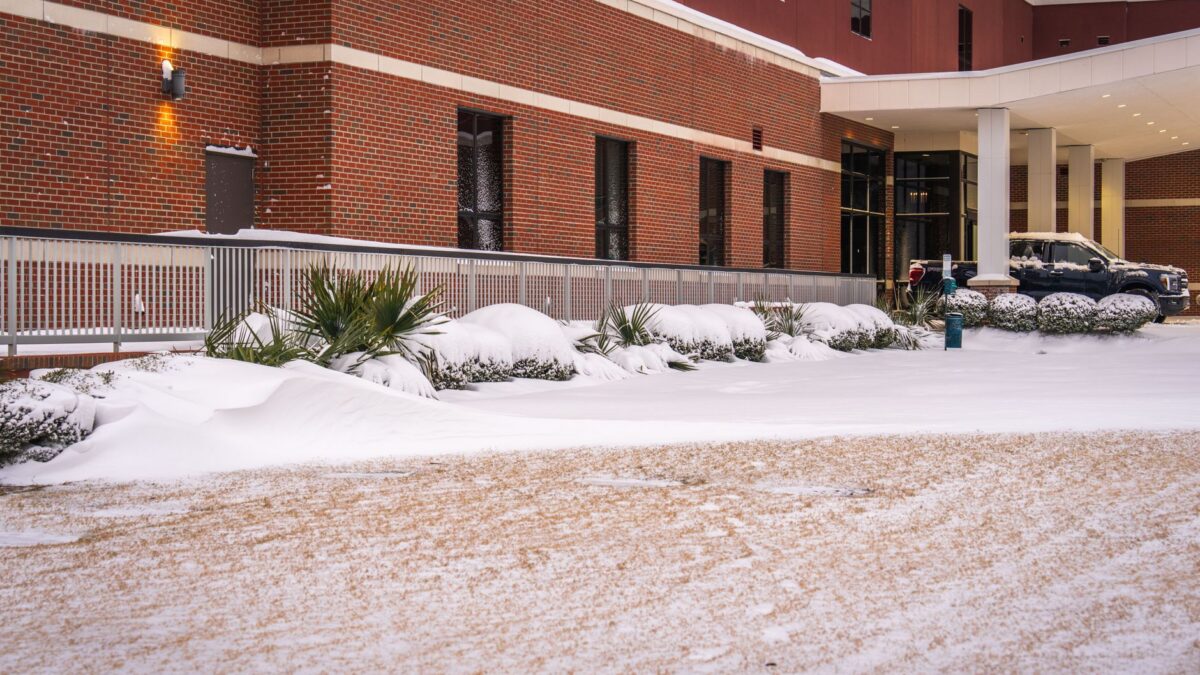
To fix salt damage, soak the affected strip with plenty of water as soon as the ground thaws so the salt moves down past the roots, then rake out dead grass and reseed with a more salt-tolerant type. During winter, the best protection is simple: use less de-icer, sweep up what is left, and keep salty snow off the grass. Flushing helps grass that is stressed, but it will not bring back grass that is already dead.
Why grass dies along drives and walks
Salt in the soil makes it harder for roots to take up water, so grass can look drought-stressed even in wet soil. Sodium can also harm soil structure over time. Even grass that survives is weaker. Cornell’s turf program notes that salt stress leaves lawns more open to insects, disease and weeds, and that salt can stop seed from germinating and damage seedlings. That last point is why you flush before you seed.
Timing plays a part as well. UMass Extension finds that late-winter applications usually do more harm than early-winter ones, because the salt has less chance to wash out before spring root growth begins.
Is it salt? Match the pattern
| What you see | Likely source | What to do |
|---|---|---|
| Narrow dead strip along a sidewalk or step | Hand-spread de-icer, shoveled snow | Use less product; shovel onto a different spot |
| Wide band along the street | Plow throw and road spray | Flush in spring; reseed with tolerant grass |
| Dead fan shape at the end of a driveway | Plowed snow piles | Move the pile location next winter |
| Dead spots beside a garage door or walkway | Salty meltwater running off pavement | Redirect runoff; flush in spring |
| Matted circles away from pavement | Probably snow mold, not salt | Rake gently and wait |
If the circles are away from any pavement, see our guide to snow mold. Salt damage usually hugs the edge where salty snow lands, and it often appears later in spring when the rest of the lawn greens up and the strip does not.
How to protect grass this winter
- Shovel first. Clear snow before you apply anything, so you need less product.
- Use only what the job needs. Spread thinly. More does not melt faster, and excess simply ends up in the soil.
- Keep salty snow off the lawn. Cornell advises against plowing or shoveling salty snow onto grass. Pile it where meltwater will run away from turf.
- Sweep up leftovers. Granules left on the pavement after a storm are the ones that wash into the edges. Sweep and reuse them.
- Use sand or grit for traction. It does not melt ice, but it reduces how much salt you need.
- Mark the edges. Stakes along the drive help a plow driver stay off the grass, and a low snow fence can catch some road spray.
Which de-icer is easier on grass?
| Product | Effect on turf | Notes |
|---|---|---|
| Sodium chloride (rock salt) | Most likely to burn turf | Usually the cheapest |
| Calcium chloride | Less harmful, not harmless | Cornell suggests calcium chloride-based products as a better choice; costs more |
| Magnesium chloride | Less harmful, not harmless | Costs more; still follow the label |
| Sand or grit | No salt injury | Traction only; can wash into drains |
This comparison follows University of Minnesota turf guidance. Whatever you buy, store it sealed and out of reach of children and pets, and wipe your dog’s paws after walks, since ice melt can irritate them.
How to fix the damage in spring
- Flush as soon as the ground thaws. Iowa State Extension advises watering salt-affected areas heavily at this stage. Rain may do the job in a wet spring if drainage is good. Otherwise, run a sprinkler slowly enough that the water soaks in instead of running off. Repeat a few times over the next couple of weeks. No university source gives an exact amount, so judge by how much soaks in.
- Loosen hard ground. Water and salt cannot move through compacted soil. Well-drained soil lets salts leach during the thaw, so core aerate or loosen hard edges where you can.
- Wait and watch. Give the strip a couple of weeks after the rest of the lawn greens up. Grass with live crowns will begin to fill in.
- Rake out what is dead. Tug at the strip. If it lifts away with no green at the base, take it out and loosen the top inch of soil.
- Reseed with a tougher grass. Use the same type as your lawn if it is tolerant, or pick a salt-tolerant strip. See below.
- Keep it moist until the seedlings are established. Our guide to repairing bare spots has the full routine.
Choosing a salt-tolerant grass
Cornell’s turf program says perennial ryegrass, fine fescues and tall fescue tolerate salt better than Kentucky bluegrass. University of Minnesota work on roadsides also found that fine fescue areas held up better under salt stress. None of these is immune, and a strip of different grass may look slightly different from the rest of the lawn, but it is usually better than bare soil.
Spring seeding has a catch: the crabgrass preventer many people use at that time also stops grass seed. See pre-emergent vs post-emergent before you apply anything along that strip. If spring is too rushed, flush now and reseed in early fall, using our overseeding calendar.
What about gypsum?
Gypsum is widely sold for salt damage, and lawn companies often recommend it. The idea is that its calcium can help displace sodium in the soil so water can carry it away. The university guidance reviewed for this article focuses on flushing with water, tolerant grasses and using less salt. Gypsum is not a replacement for water. If you want to try it, follow the bag and still flush the area. If you have repeated trouble, ask your state soil lab about a soluble salts test.
Bottom line
Salt damage is one of the more preventable lawn problems. Use less de-icer, keep salty snow off the grass and choose a lower-sodium product where it matters. In spring, flush early and heavily, wait to see what comes back, and reseed the dead strip with perennial ryegrass, fine fescue or tall fescue.
FAQ
Will grass grow back after salt damage?
Grass with living crowns can recover once salt is flushed out. Iowa State cautions that flushing may not rescue turf that received too much salt and is already dead, so those strips need reseeding.
How long does salt stay in the soil?
It depends on rainfall and drainage. Sandy soil flushes faster, and heavy clay or compacted soil holds salt longer. Minnesota Extension notes that by the time spring rains move salt through, much of the damage may already be done, so do not wait for rain if the spring is dry.
Should I reseed before flushing?
No. Salt can prevent germination and hurt seedlings. Flush first, then seed.
Is calcium chloride safe for grass?
It is gentler than rock salt, but it can still injure turf if overused. Apply it sparingly and keep it on the pavement.