Why Did My Evergreen Turn Brown in Winter? Winter Burn Explained
Arborvitae, boxwood and yew can look scorched by March, usually on one side. In most cases the plant dried out while the ground was frozen, and many recover.
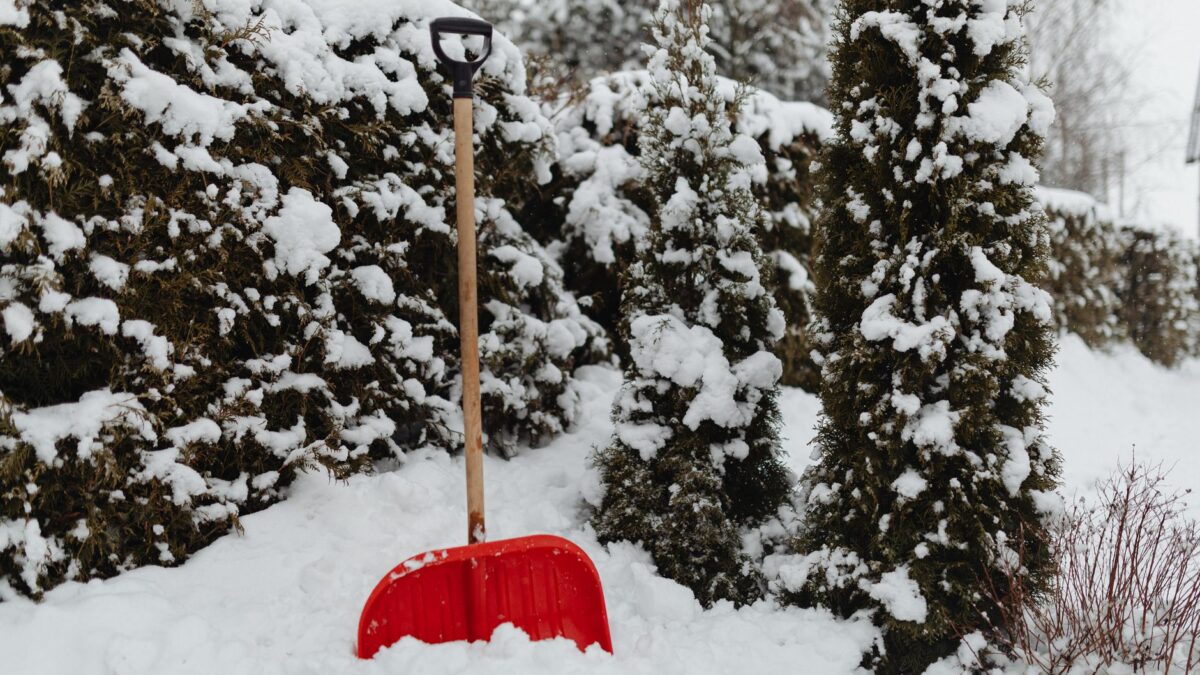
An evergreen that turns brown over winter, especially on the windward or sunny side, usually has winter burn, also called winter desiccation. The foliage kept losing water to sun and wind while frozen soil stopped the roots from replacing it. Don’t remove the plant yet. Wait for spring, prune what’s clearly dead, and water through next fall so it enters winter well hydrated.
What winter burn is
Evergreens keep their foliage all winter, so they keep losing moisture. On a bright, windy day that loss speeds up. If the ground is frozen, the roots can’t send up more.
Penn State Extension says the worst damage appears on the parts farthest from the water supply: leaf edges, leaf tips and the tops of plants, usually on the side facing sun and wind. Dry falls, young plants with small root systems and thin soil all raise the risk.
Plants commonly affected include arborvitae, juniper, false cypress, yew, fir, spruce, pine, hemlock, boxwood, holly, rhododendron, azalea and mountain laurel.
Is it winter burn or something else?
Check which side is brown and whether the damage has a clear edge.
| What you see | Likely cause | Next step |
|---|---|---|
| Brown on the side facing prevailing wind or the south and southwest; green on the protected side | Winter burn | Wait for spring, then prune dead tips |
| Brown above the snow line, green below it | Winter burn; snow shielded the lower branches | Same as above |
| Brown near a wall, driveway or pale pavement | Winter burn made worse by reflected heat | Add a screen next fall or move the plant |
| Brown on the side facing a road or salted walk | De-icing salt spray or runoff | Flush the soil with water in spring; our guide to salt damage covers the same problem on grass |
| Low brown patches on one side at dog height | Dog urine | Rinse and fence off the plant |
| Whole plant thinning or yellowing, with soft or dark roots | Root rot or poor drainage | Check drainage; see our guide to a boxwood turning brown |
| Stems stripped or torn, foliage missing rather than brown | Deer browsing | Protect the plant with a cage or netting before next winter |
How to prevent winter burn
Work through this checklist in fall, before the ground freezes.
- Water deeply during dry spells. Iowa State University Extension advises deep watering of evergreens in fall if the soil is dry, continuing until the ground freezes. A University of Wisconsin county office suggests about an inch a week without rain, and more for sandy soil and new plantings.
- Don’t drown them. Soggy soil can lead to root rot. University of Minnesota Extension also cautions that watering only in late fall doesn’t reduce injury. Steady moisture through the growing season counts for more than one final soak.
- Mulch the root zone. A 2 to 3 inch layer holds soil moisture and slows freezing and thawing. Keep it off the trunk, as our guide to mulching around trees shows.
- Skip fall fertilizer and late-summer pruning. Both can encourage tender growth at the wrong time.
- Screen exposed plants. Attach burlap or canvas to stakes on the south, west and windward sides, about 2 feet out from the drip line.
- Leave the top open. A covered top can collect snow and sag onto branches.
- Don’t pack the screen with leaves. Penn State warns that this draws rodents, which chew bark.
- Remove screens promptly in spring. Penn State suggests taking them down once temperatures stay above 28°F.
Do antidesiccant sprays work?
The evidence is mixed. Antidesiccants are waxy or film-forming sprays meant to slow water loss. Oklahoma State University says they may give some protection when applied in late fall and midwinter. University of Minnesota Extension says they are not an effective way to protect evergreen foliage, and a University of Wisconsin review found they tend to flake off too soon. UMass Amherst warns that spraying sensitive plants too early can cause damage.
If you try one, treat it as optional, follow the label for timing and temperature, and don’t let it replace watering and screens.
Spring recovery
- Wait until growth starts. Brown needles and scales won’t green up, but buds along the stems may still be alive. Some plants look far worse in March than they do in June.
- Check the buds. Bend a few twigs and look for plump buds. Scratch the bark to see whether the tissue underneath is green.
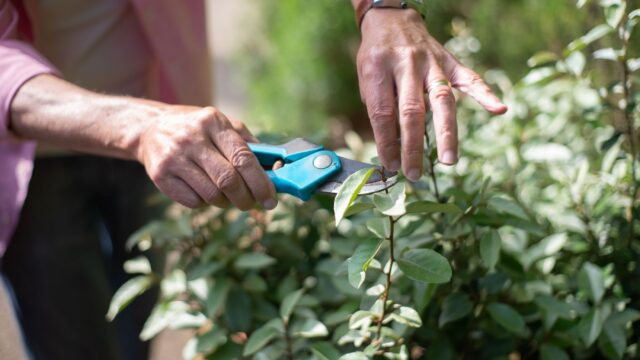
- Prune out clearly dead parts. Penn State recommends removing damaged parts before new growth starts, but if you can’t tell what’s dead, wait until buds break. On pines and spruces, the buds often survive, so don’t remove brown needles from a twig with healthy buds.
- Be careful with arborvitae and juniper. Avoid cutting back into bare wood, because many conifers don’t resprout from it. Let surrounding branches fill in.
- Water through dry spells. Damaged plants have less foliage and less room for error next summer.
- Replace plants that stay brown. If nothing has flushed by early summer, or a whole side has died and left a permanent gap, consider replacing the plant with a better-suited species or moving it to a sheltered spot.
For a damaged hedge after a hard freeze, our guide to freeze-damaged shrubs explains how to test for live wood.
A note on pets
Yew is highly toxic to dogs, cats and horses, and boxwood is toxic to them as well. Keep clippings out of reach and bag them as you prune.
Bottom line
Browning on one side is usually winter burn, not disease. Give the plant time to show what survived, cut out only what’s dead, and water deeply in dry falls. For plants in windy or sunny spots, add a burlap screen each winter with an open top, or replace them with something suited to the site.
FAQ
Will brown evergreen needles turn green again?
No. Brown foliage stays brown and eventually falls. New growth from living buds fills in over one or more seasons.
Should I wrap my arborvitae in burlap?
A freestanding screen is usually better than a tight wrap. It blocks wind and sun while letting air move around the plant.
When should I stop watering evergreens in fall?
Continue through dry spells until the ground freezes, and water again during a winter thaw if the soil is unfrozen and dry.
Why does the same shrub get burned every year?
The spot is probably too exposed, or the plant is at the edge of its hardiness. A permanent windbreak or a move to a sheltered site will help more than yearly repairs.