When to Apply Crabgrass Preventer: Soil Temperature and Timing
Crabgrass preventer only works if it's down before the seeds sprout. Use soil temperature, forsythia and these regional dates to get the timing right.
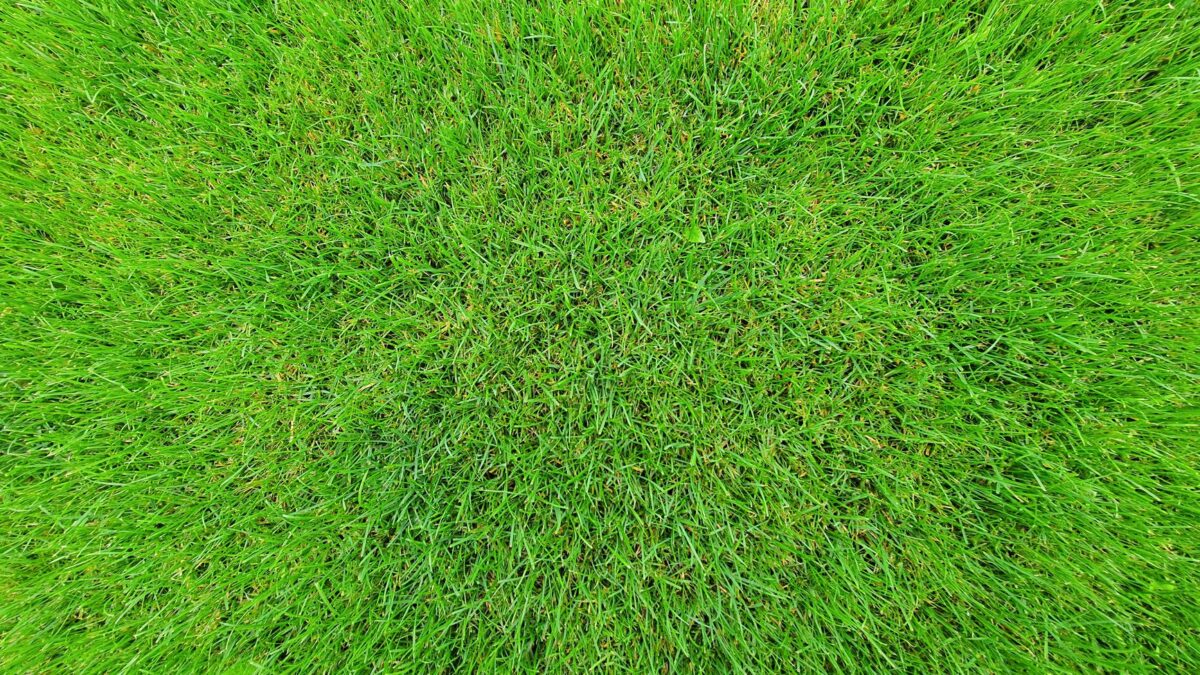
Apply crabgrass preventer before the top inch or two of soil holds around 55°F for several days, which in many areas is about when forsythia reaches full bloom. That usually means February or early March in the Deep South, late March to mid-April through the central states, and later farther north. Once crabgrass seedlings are visible, you’ve missed the window for most products.
Two signals that beat the calendar
Soil temperature
Soil temperature is the most reliable guide. University sources measure it slightly differently, but they land in the same place:
- Kansas State University: a daily average of 55°F for about 5 days, at 1 inch deep.
- NC State University: a mean of about 53 to 55°F for several days, at 2 to 4 inches.
- University of California: 55°F for several consecutive days, with adequate soil moisture.
- Purdue: about 60°F for 3 to 5 days, right at the surface.
A single reading isn’t enough, because the daily high and low can differ a lot. Use a soil thermometer on several days, or check soil temperature data from a local weather network. Also remember that warm edges along driveways, sidewalks and bare ground heat up first, so crabgrass often shows up there before anywhere else.
Forsythia
Kansas State’s advice is to start getting ready when forsythias are in full bloom. Treat that as a signal to get the job done soon, not as a reason to start planning for next month.
Plants are only a rough guide, though. Research cited by Kansas State found that flowering ornamentals aren’t always reliable predictors, and a shrub in a warm spot can bloom ahead of others. Use forsythia as a cross-check on soil temperature.
Calendar by region
These dates come from extension guidance for the states named. Use them as a guide for similar nearby areas, and adjust for elevation and the current season. Kansas State’s advice is plain on this point: don’t rely on the calendar alone.
| Region | Target date | Notes |
|---|---|---|
| South Georgia, southeast North Carolina | Feb 15 to Mar 5 | NC State has urged going about two weeks earlier than its traditional March 1 after very warm winters |
| North Georgia, North Carolina Piedmont | Mar 1 to 20 | Go early in a warm year |
| Western North Carolina | Late March to early April | Depends on elevation |
| California | January to March | Apply a few weeks ahead of local germination, which can start in mid-January on the southern coast and February elsewhere |
| Southern Kentucky, southern Indiana and Illinois, southeast Kansas | Mid-March to April 1 | Purdue advises applying at least two weeks before expected germination |
| Northern Kentucky, most of Kansas | By about April 15 | Kansas dates are tied to the last spring frost |
| Northern Indiana, western Kansas | Mid- to late April | Crabgrass emerges around early May in northern Indiana |
| Upper Midwest, northern New England | Often late April to mid-May | Go by soil temperature, since dates vary widely |
Too early vs too late
Too late
This is the bigger mistake. Pre-emergents must be in place before seeds germinate, and most do nothing to crabgrass that’s already growing. Dithiopyr is a partial exception, because it can control very young crabgrass before it starts to tiller. Beyond that stage you’ll need a post-emergent product. Our pre-emergent vs post-emergent guide explains the difference.
Too early
Going early is less risky than many people expect. NC State explains that soil microbes break these products down slowly in cold soil, and Purdue found applications as early as March 1 stayed effective all season.
The real concern is a long season. The University of California notes that crabgrass can germinate for 6 to 8 months in many areas, so protection can run out before germination ends. Kansas State says short-residual products last 8 to 12 weeks, while prodiamine and dithiopyr can last much longer. It also says two smaller applications, with the second about 60 days after the first, consistently give better control than one large dose. Check the label for the most you can apply in a year.
How to apply it
- Read the label for the rate, approved grass types and any seeding limits.
- Spread evenly and treat warm edges along pavement carefully, without getting product on the hard surface. Sweep any granules that land there back onto the lawn.
- Water it in with about 1/4 to 1/2 inch of water, unless the label says otherwise. This moves the product into the top layer of soil.
- Avoid disturbing the soil afterward, since digging or aerating can break the treated layer.
- Keep children and pets off the lawn until it has dried. The National Pesticide Information Center says granular products may need 24 hours or longer. Store the product locked away, and don’t combine it with other lawn chemicals unless it’s sold as a combined product.
If you plan to seed this spring
Most crabgrass preventers also stop grass seed. Decide which job comes first before you buy anything. If you need to repair a thin lawn, read our guides to fixing bare spots and when to overseed. Mesotrione is one option for tolerant grasses at seeding time, but it’s not for fine fescue, so check the label.
Whichever you choose, a thick lawn is your long-term defense. Purdue recommends mowing at 2.5 to 3 inches, because mowing lower lets more crabgrass in.
Bottom line
Track soil temperature from late winter, watch the forsythia and aim to have the product down and watered in before the soil holds near 55°F. If you’re unsure, a little early is safer than a little late. In a long-season area, plan on a split application.
FAQ
Is it too late once forsythia blooms?
Not usually. Full bloom is roughly the point to act. Once blooms are dropping or you can see crabgrass seedlings, you’re running late, and a pre-emergent may not do much.
Can I apply crabgrass preventer in fall?
Fall applications don’t help against crabgrass. It’s a summer annual that germinates in spring and dies with the first fall frost. Some warm-season lawns get a fall pre-emergent for other weeds, as the label allows.
Should I apply it before rain?
A light, soaking rain can water the product in for you. Avoid applying before a heavy storm that could wash it off. Follow the label’s watering directions.
How long does crabgrass preventer last?
It depends on the product. Short-residual options last about 8 to 12 weeks, while prodiamine or dithiopyr products can last much longer. The label will give you specifics.