Why Is My Fruit Tree Not Producing Fruit? 8 Causes and Fixes
Whether the tree flowered is your first clue. Use it to work out if your tree needs time, a partner, more sun or simply less fertilizer.
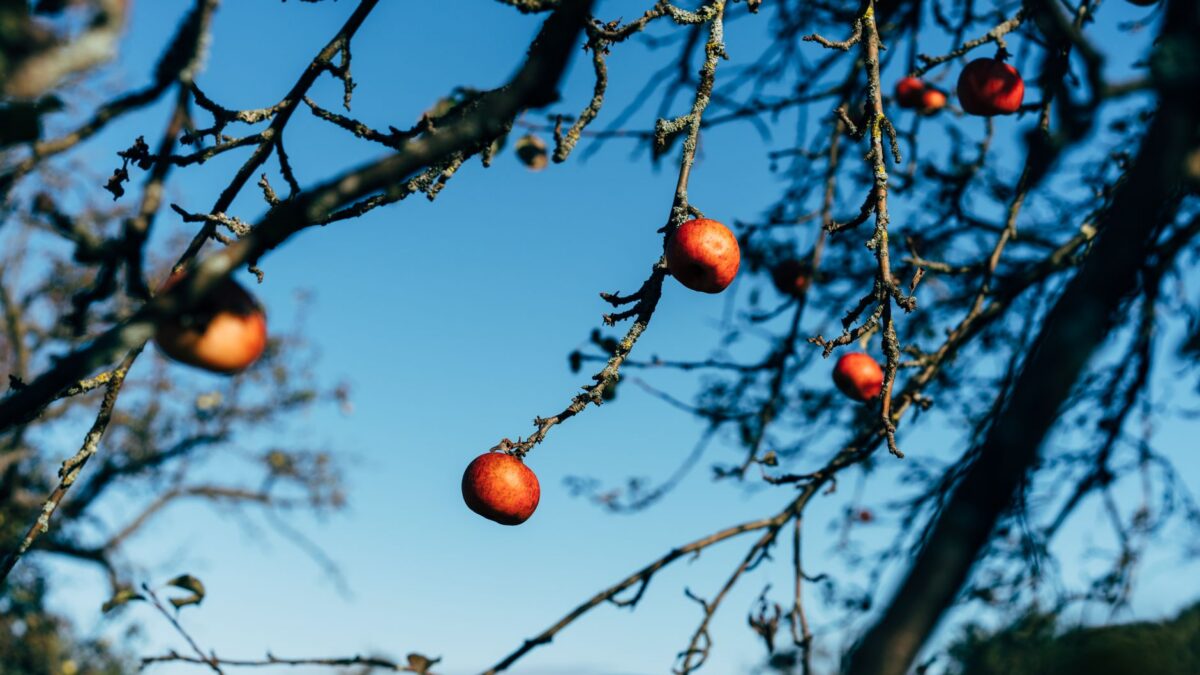
Most fruit trees that stay bare are too young, missing a pollination partner, hit by a spring frost, pruned too hard or pushed with too much nitrogen. Start with one question: did the tree flower this spring? No flowers points to age, pruning, fertilizer, shade or climate. Flowers but no fruit points to pollination or frost.
Start with the flowers
Think back to spring, or check photos if you have them. That single observation cuts the list in half.
- No blossoms, or only a handful: the tree isn’t forming flower buds. Look at its age, recent pruning, feeding, sunlight and whether it cropped heavily last year.
- Plenty of blossoms, no fruit: the flowers formed but didn’t become fruit. Look at pollination partners, bee activity and cold nights around bloom.
- Small fruit that formed, then fell: that’s a different problem. See our guide to why fruit trees drop their fruit.
Eight causes at a glance
| Cause | What you’ll notice | Fix |
|---|---|---|
| Tree is still young | Healthy, leafy tree planted in the last few years, few or no blossoms | Wait, and keep it watered and free of weeds and turf at the base |
| No pollination partner | Lots of blossoms, little or no fruit set | Plant a compatible variety with an overlapping bloom time |
| Frost at bloom | Good bloom, a cold night, then browned flowers | Cover small trees, choose later-blooming varieties next time |
| Too much nitrogen | Long, lush shoots and very dark leaves, few flower buds, often in a fertilized lawn | Stop feeding until a soil test says otherwise |
| Over-pruning | Masses of vigorous upright shoots after a hard cut | Prune lightly and spread big jobs over several years |
| Too little sun | Thin growth, fruit only on the sunny side | Thin the canopy or clear nearby shade where you can |
| Alternate bearing | A huge crop one year, almost nothing the next | Thin fruit hard in the heavy year |
| Wrong variety for the climate | Patchy or late bloom after a mild winter, or flower buds killed by hard cold | Choose varieties matched to your zone and winter chill |
How long should you wait?
Age is the most common answer for a newly planted tree. An apple can be expected to start bearing around its third to fifth year. The University of Minnesota says to expect fruit from stone fruits 2 to 5 years after planting a 1- or 2-year-old tree. Trees on dwarfing rootstocks generally bear sooner than full-size trees, and pears are often slower than apples.
While you wait, resist the urge to feed or prune harder. Neither speeds things up, and both can push leaves instead of flower buds.
Who needs a pollination partner?
This is the top reason for a tree that blooms well but stays empty. Rules vary by variety, so treat this table as a starting point and check the nursery tag.
| Tree | Partner needed? |
|---|---|
| Apple | Usually yes: a different apple variety or a crabapple |
| Pear | Usually yes: a different pear variety |
| Sweet cherry | Usually yes, except varieties sold as self-fertile |
| Tart cherry | Usually no |
| Peach, nectarine | Usually no |
| Plum | Depends on type: many need a compatible partner, and even self-fertile ones may set better with one |
The two trees must bloom at the same time, and they need to be close enough for bees to work both. Michigan State University Extension explains that apples need pollen from a different kind of apple or crabapple to develop picking-size fruit, so one lonely apple tree may bloom every year and give you very little.
Bees matter too. Cold, wet or windy weather during bloom keeps them at home, and a poor season can happen even with the right partner in place. Never spray insecticide on a tree in bloom, since that can kill the pollinators you’re relying on.
Frost and winter cold
Open blossoms are the most frost-sensitive stage of the year, and one hard night can wipe out a crop on an otherwise healthy tree. Early bloomers such as apricots and peaches are the most exposed, especially in low spots where cold air settles.
- On small trees, cover at dusk when frost is forecast. Our guide to protecting plants from frost covers what works.
- When replacing a tree, choose a later-blooming variety and a slope or spot with good air drainage.
- In cold zones, severe winter lows can kill peach flower buds even though the tree itself survives.
- In mild zones the opposite happens: a variety that needs more winter chill than your climate provides can bloom poorly and unevenly.
Too much nitrogen or too much pruning
Fruit trees put energy into either shoots or flower buds, and both of these mistakes tip the balance toward shoots.
Nitrogen. Heavy feeding stimulates growth at the expense of flowers. The source is often the lawn: rain moves fertilizer down past grass roots to where tree roots can take it up. If your tree sits in a fed lawn and grows long, dark green shoots, stop adding nitrogen near it and get a soil test. Our guide on reading a soil test explains the results. A true shortage can also hurt, so don’t guess in either direction.
Pruning. Excessive pruning can delay or reduce fruiting and creates too much leafy growth, especially on young trees. Keep cuts light and remove only what’s needed. Our fruit tree pruning calendar shows the right time for each tree.
Shade and alternate bearing
Most fruit trees want full sun, more than six hours a day. A tree shaded by a growing neighbor or by its own crowded branches forms fewer flower buds, and what fruit it has tends to sit on the sunny side.
Alternate bearing is common in apples. A very heavy crop uses up the tree’s reserves, leaving few flower buds for next year. Heavily thinning fruit during the big year can restore more regular cropping.
Your plan for next season
- Write down when the tree was planted and when it bloomed.
- Confirm the variety and whether it needs a partner. If the tag is long gone, your local Extension office or nursery can help.
- Stop extra fertilizer and keep lawn feed away from the root zone until you have a soil test.
- Hold off on heavy cuts this winter.
- Watch bloom closely next spring: count bees on a mild day and note any frost.
- If the tree crops heavily, thin the fruit early.
Bottom line
Check whether the tree flowered, then work through the causes in order: age, pollination, frost, feeding, pruning and sun. Most fruitless trees are healthy and simply need time, a partner or less fertilizer, not a treatment. Several causes can act together, so expect to fix more than one.
FAQ
Why does my apple tree flower but not fruit?
The usual reasons are no compatible pollinator nearby, poor bee activity in bad weather, or frost during bloom. Apples generally need a different variety or a crabapple blooming at the same time.
Will fertilizer make my fruit tree produce?
Rarely, unless a soil test shows a real shortage. Extra nitrogen usually gives more leaves and fewer flower buds.
Does a fruit tree need another tree to fruit?
It depends on the species and variety. Peaches and tart cherries usually don’t; apples, pears and many sweet cherries and plums usually do.
Why did my tree fruit last year but not this year?
Alternate bearing after a heavy crop is the most likely cause, followed by a frost during this year’s bloom. Thin the fruit in heavy years to even things out.