Volunteer Sniffer Dogs Find Invasive Plants With 75% Accuracy in Study
Volunteer dogs and owners in Germany found invasive plants in the wild with 75% accuracy. What the PLOS One study tested and what it means for gardeners.
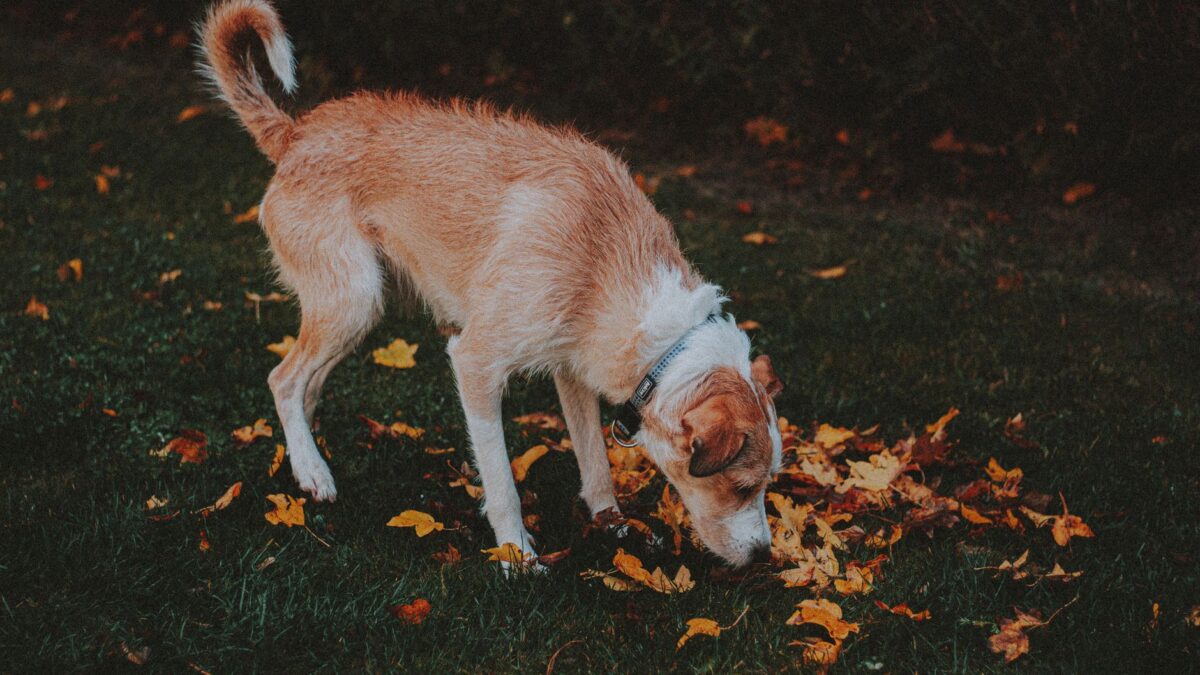
Pet dogs and their owners can be trained to find invasive plants in the wild, a German pilot study has found. Volunteer teams that passed a field test located the target plants with an average success rate of 75%, according to researchers at the Helmholtz-Centre for Environmental Research (UFZ) in Leipzig.
The results, published in the journal PLOS One and reported by the Key West Citizen, suggest that ordinary dog walks could add to the slow and expensive work of spotting invasive species before they spread.
How the dog teams were trained
The UFZ team, led by Annegret Grimm-Seyfarth, set out to test whether a volunteer program could produce reliable wildlife detection dogs. Between 2021 and 2023, 31 dogs and their owners went through training built around three invasive plant species. The handlers were volunteers working with their own dogs.
Training ended with a field test in which each team had to find the target plants outdoors, outside a controlled setting. Twelve teams completed that test and 11 of them passed. Across those teams, the average detection success rate was 75%.
Grimm-Seyfarth said the project appears to be one of the few volunteer detection dog programs aimed at finding invasive species in the field rather than in experiments.
Why invasive plants are hard to catch early
Invasive alien species are plants and animals that spread outside their native range and crowd out local wildlife. The study describes them as one of the main causes of biodiversity loss worldwide. Removing them once they are established costs a lot of money and time, and ecologists have had few good tools for finding new patches early, when control is easier.
The UFZ researchers wanted an accessible way to fill that gap, and they looked at whether trained volunteer teams could act as monitors.
What it means for gardeners and volunteers
The study points to a role for citizen science in invasive plant control. People who already spend time outdoors with their dogs could, with training, help detect invasive plants before they take hold. Grimm-Seyfarth said combining a dog’s sense of smell with volunteer enthusiasm could expand monitoring efforts.
The researchers stressed that enthusiasm alone is not enough. Grimm-Seyfarth said reliable monitoring “requires more than a good nose,” and the team called for well-designed training and continued support from both dog trainers and ecologists. She also said that, with the right preparation, “everyday walks could become an additional resource” for spotting invasive plants early.
The study took place in Germany and tested three plant species, so the results do not show how well the method would work with other invasive plants or in other countries. The program also lost teams along the way: of the 31 that started training, 12 reached the final field test.
Recommendations for future programs
Based on the pilot, the UFZ team drew up recommendations for similar projects. They cover how volunteers are selected and coordinated, how dogs are trained, and how teams are supported during their first real deployments. The researchers said the aim is to help future volunteer programs turn trained dogs into dependable monitors in the field.
Source: Key West Citizen