Leave Parsnips and Kale in the Ground: Frost Makes Them Sweeter
Frost turns starch into sugar in parsnips, carrots, kale and other cool-season crops. See which 9 to leave in the bed, when to dig, and the fridge shortcut.
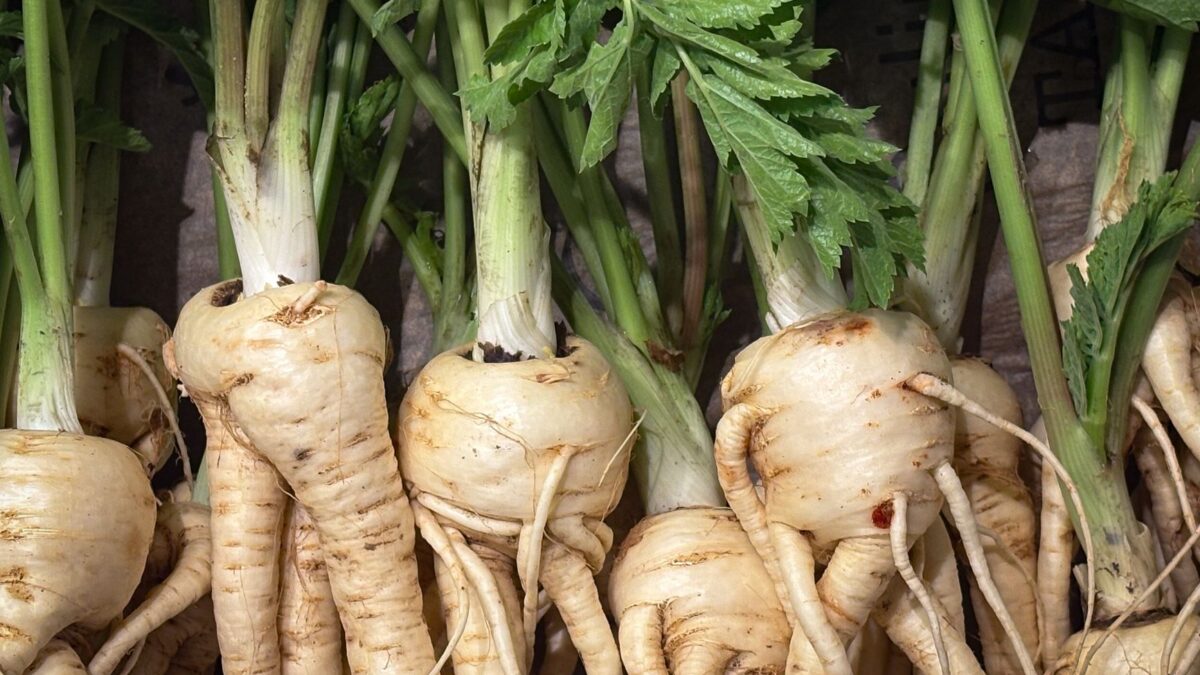
Gardeners who rush to strip their beds at the first frost warning may be harvesting cool-season vegetables too early, a feature published by Yahoo on November 3 argues, drawing on university extension services and garden writers. Nine crops, led by parsnips, carrots and kale, get sweeter after a light frost. Tender crops still need to come in first: Gardener’s Supply lists basil, cucumbers, eggplant, beans and melons as plants that cannot take a cold snap.
Why cold makes roots and greens sweeter
Cold-hardy plants store energy as starch through the season. When temperatures fall, they convert some of it to sugar, which lowers the freezing point of the water in their cells and makes damaging ice crystals less likely, as Gardening Know How explains. Road salt on an icy driveway works the same way. Researchers at Jacobs University Bremen and the University of Oldenburg found that cold-exposed kale broke down complex carbohydrates in its cell walls and had higher levels of sugars such as fructose, maltose and raffinose.
The 9 crops to leave in the bed
- Parsnips: the University of Arkansas Cooperative Extension Service says their flavor needs near-freezing temperatures, ideally for two to four weeks. University of Illinois Extension notes that roots dug in early spring are especially tender and sweet.
- Carrots: mulch the exposed tops of the roots, Rural Sprout recommends, and they handle temperatures in the 20s.
- Kale: some varieties, such as lacinato, tolerate temperatures down to 0°F, according to Rural Sprout.
- Brussels sprouts: they hold up to about 20°F, and some varieties take the teens.
- Collard greens: they tolerate temperatures as low as 10°F.
- Cabbage: mature heads can take about 20°F, and Savoy types go into the mid teens.
- Beets: they taste better after a light frost but are less hardy, so Rural Sprout advises lifting them before temperatures reach the 20s.
- Spinach: cold-grown leaves get thicker and sweeter, but unprotected plants die off around 20°F.
- Leeks: Garden Therapy says they sweeten in the cold and can be harvested as long as they are not frozen into the ground.
Where a light frost ends and a hard freeze begins
Gardenary sets the line this way: frost in the high 20s to low 30s triggers the sugar change, while a forecast in the mid 20s or lower lasting several hours means it is time to dig roots and cut greens. Soil insulates root crops. Leafy greens in open air have no such protection.
Timing on the day matters too. Stephanie Rose of Garden Therapy warns against cutting spinach while it is frozen, because the leaves go mushy once they thaw; wait until they have thawed on the plant. Rural Sprout suggests a light mulch under a row cover to stretch the season.
What it means for home gardeners
The cost argument is concrete. The USDA Economic Research Service puts fresh kale at about $3.57 a pound and fresh spinach at about $4.50 a pound, so greens left in the bed through November replace store purchases. For readers without frost yet, cold storage can do the same job. The WFLO Commodity Storage Manual, reviewed by Dr. Jeff Brecht of the University of Florida’s Horticultural Sciences Department, says early-dug parsnips held at 32 to 34°F match the sweetness of roots left through 2 months of fall frost. Texas A&M AgriLife Extension advises digging parsnips two weeks before you plan to eat them and keeping them in the refrigerator, not the freezer.
What to do next
With Thanksgiving on November 26, the article suggests digging parsnips by November 12 and keeping them in the coldest part of the fridge. Bring in tender crops when frost is forecast, cover what needs covering, and watch forecasts for longer stretches in the mid 20s or below, which are the signal to harvest the rest. Gardeners who want a winter supply can mulch parsnips with straw and dig them through the cold months, as Arkansas Extension notes.
Source: YAHOO!