Bee Researchers Urge No-Mow-vember: Longer Lawns Feed Pollinators
Australian bee researchers say letting lawns grow longer in November helps pollinators. What they recommend, from bare sand patches to skipping pesticides.
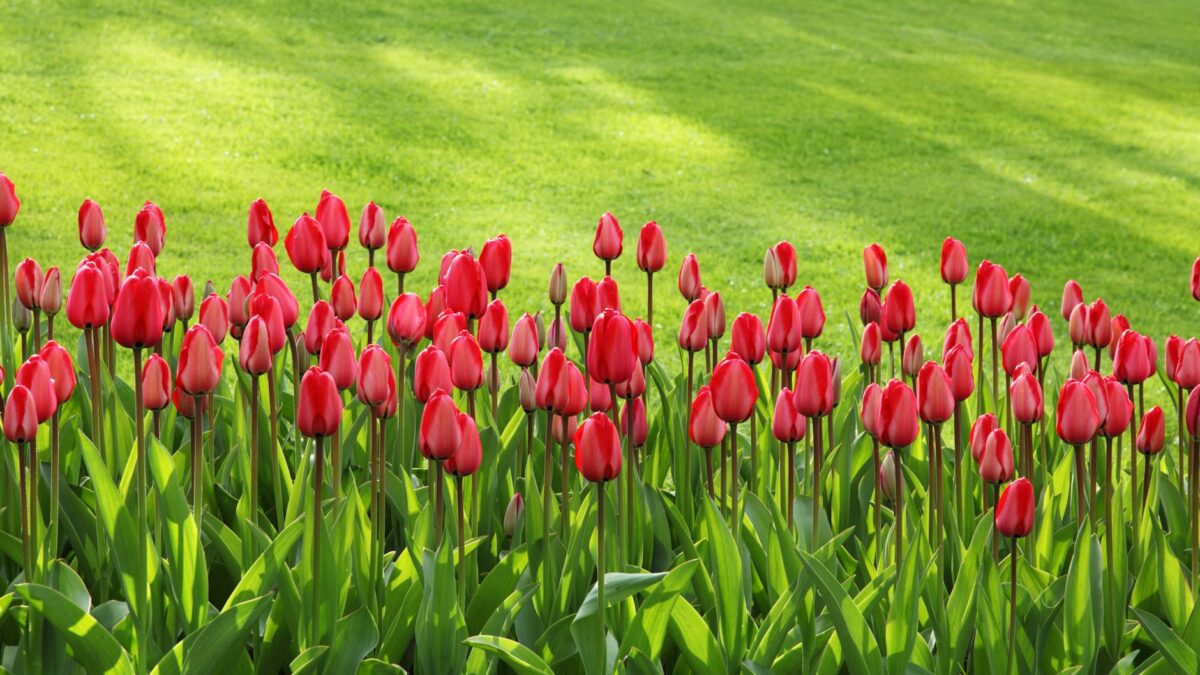
Bee researchers in Australia are encouraging gardeners to try a “No-mow-vember,” leaving lawns longer during November so flowers and weeds can bloom and feed bees, butterflies and other insects. The idea, reported by The Guardian, borrows from Britain’s No Mow May, which falls at the height of the northern hemisphere spring.
The researchers say even small changes help: a strip of long grass, a patch of bare sand or a few flowering weeds can give pollinators food and nesting space in a back yard.
Where the idea comes from
The charity Plantlife runs No Mow May in the UK and points to the loss of 97% of the country’s flower-rich meadows in almost a century as its reason. In Australia, The Guardian reported, just under half of people do not know that most of the continent’s forests, swamps and grasslands have disappeared since colonisation.
Pollinators in a home garden include native and introduced bees, butterflies, moths, spiders, cockroaches and wasps. Dr Scarlett Howard, a bee researcher at Monash University’s school of biological sciences, said these insects also keep soil healthy and feed other animals in the food web.
Weeds can be food
Many lawn grasses are introduced species, but Howard said flowering weeds often attract native pollinators even if they look untidy. “Weeds aren’t necessarily a bad thing,” she told The Guardian.
Mow in patches, leave some bare ground
Dr Kit Prendergast, a bee researcher at Murdoch University, suggests a mixed approach with some strips cut short and others left long. Different insects need different lawn heights. Native bees dig nests in the ground, so short or bare areas give them access to soil.
She named two examples: the sweat bee Lasioglossum dotatum, which nests in sand between lawns, and the feathery leioproctus bee Leioproctus plumosus, which nests in bare patches among lawns. Unmown borders give butterflies long grass to lay eggs on, and males of some native bees roost on long blades and messy plants.
Birds also pollinate and tend to prefer a messy garden. The article suggests leaving some fallen leaves, twigs and bark in place as habitat and nesting material instead of sweeping or blowing them away.
Why it matters beyond one month
Mark Cairns, chief biodiversity officer at the Foundation for National Parks and Wildlife (FNPW), said the UK’s strongly seasonal climate suits a single no-mow month in spring, while Australia has room to do more. He pointed to plants and trees that flower in winter, which many species depend on.
Cairns said the no-mow approach already exists in Australia inside other programs. Biodiversity Month in September promotes careful habitat creation, weeding, responsible pet ownership, recycling and composting. The World’s Ugliest Lawn competition rewards complex, hands-off back yards, and FNPW runs Backyard Buddies, an education site about plants and wildlife around homes. He said most of what a gardener can do is simple and can make a real difference for biodiversity.
Native plants and no pesticides
Prendergast and Howard both said keeping and improving remnant bushland, meaning native plants and trees already on a property, is the best way to support insects. Howard recommends planting a range of native species from the local area so local pollinators have the flowers they evolved with.
Howard also advises keeping ground exposed for burrowing bees, which means avoiding mulch, plastic sheeting, artificial turf and concrete over those areas. She warned against pesticides, which harm insects landing on sprayed flowers and also reach groundwater. A ground-nesting insect can be exposed twice, she said: on treated flowers and again when rain washes runoff into its burrow.
Source: The Guardian