Lanternfly Egg Mass Treatments Cut Hatch in Virginia Tech Tests
Virginia Tech tests found two insecticides and a fungus can stop spotted lanternflies at the egg stage. Results, timing and limits explained.
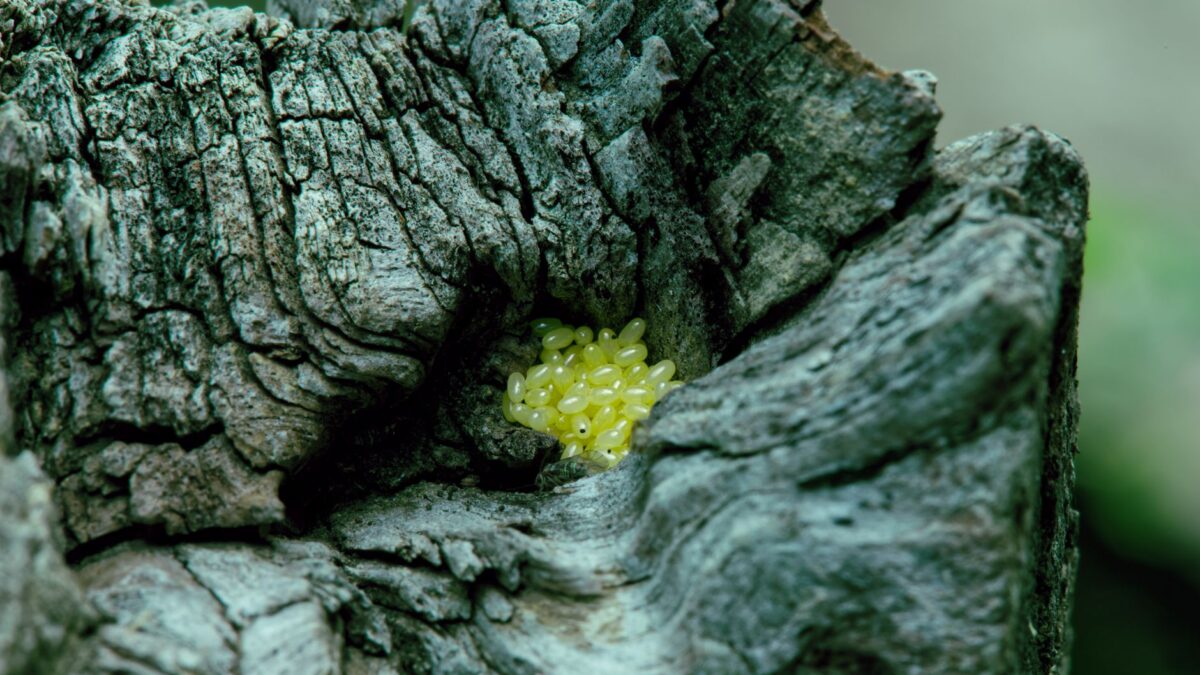
Spraying spotted lanternfly egg masses can stop part of the next generation before it starts feeding, according to two Virginia Tech studies published this summer in the Journal of Economic Entomology and Environmental Entomology. In lab tests, two organophosphate insecticides, malathion and chlorpyrifos, consistently reduced hatch, and an insect-killing fungus infected nymphs as they crawled out of treated masses.
Jason Bielski, a postdoctoral associate in Virginia Tech’s Department of Entomology, described the work in Entomology Today. The research was aimed at vineyards, and the authors say it has not yet shown whether treating eggs leads to less damage to grapevines later in the season.
Why researchers went after the eggs
Spotted lanternfly (Lycorma delicatula) spends approximately eight months as an egg, according to Bielski. Nymphs, the young wingless insects, move from plant to plant, and so do adults, while egg masses stay put through the overwintering period. In vineyards the masses often turn up along the edges and in nearby woods, where a backpack sprayer can reach them.
Eggs are hard to hit. Each mass has a protective outer covering and every egg adds another barrier, so a product has to reach the developing insect or leave residue that affects a nymph as it emerges. Products that control nymphs and adults do not necessarily work on eggs.
What the insecticide tests found
The team tested 13 insecticides in the laboratory over three years, applying them in winter, early spring and late spring. Malathion and chlorpyrifos reduced hatch consistently, and a field trial with malathion supported the lab results. The other products gave smaller reductions that varied more from test to test. Killing an insect inside its egg is called ovicidal activity.
Bielski noted that organophosphates carry toxicity concerns. Turning the findings into practice, he wrote, depends on the product, the application site and the label requirements.
How the fungus reached emerging nymphs
The second study tested Beauveria bassiana strain GHA, a fungus used in commercial biopesticides. It did not lower egg hatch. Nymphs hatching from treated masses picked up spores, became infected and died, which the team confirmed in the lab. Two field trials also showed infection in nymphs from treated egg masses.
Some spores survived the winter on the outside of the masses, and enough stayed viable to infect the emerging nymphs. Winter exposure did reduce spore viability, and the formulation affected how long spores lasted. Applying the fungus about two weeks before hatch gave the most promising results, though some nymphs were infected even when masses were treated 20 weeks earlier. Bielski said timing applications to the expected local hatch gives the spores a better chance of meeting the nymphs while still alive.
What it means for gardeners and growers
The studies point to two ways to reduce the number of lanternflies that start the season: stop the eggs from hatching, or infect nymphs as they leave the mass. Both depend on finding egg masses that can be reached, which in the vineyard work meant field edges and adjacent wooded areas.
The researchers describe the results as groundwork. Their lab experiments and field trials did not show whether treating egg masses means fewer insects feeding on grapevines or less damage later on. Anyone who treats egg masses with a pesticide should follow the product label and keep it away from children and pets.
Source: Entomology Today