How to Tell If a Tree Is Dead or Just Dormant: 6 Checks
A bare tree isn't always a dead one. These six simple checks tell you what's alive, what isn't, and when it's time to call for help.
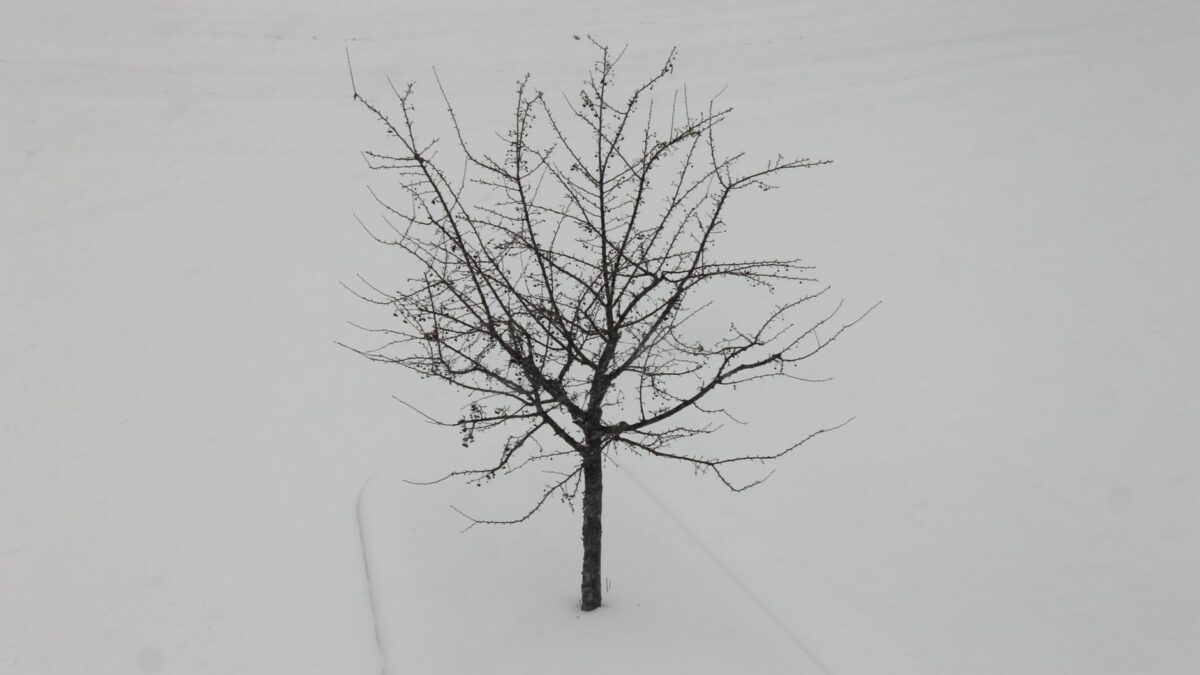
The quickest test is to scratch a twig with a fingernail or pocketknife. Green, moist tissue under the bark means that part is alive; dry, brown tissue means that part is dead. One dead twig doesn’t condemn a tree, so test several spots from the branch tips down to the trunk base, then check the buds, bark and roots before you decide.
Dormant doesn’t mean dead
In November, a bare deciduous tree is doing exactly what it should. The same goes for early spring, when some species wake up weeks after others. Oaks, ashes, honeylocusts and catalpas are among the late leafers, so a neighbor’s green maple tells you nothing about your oak. The fairest comparison is a tree of the same species nearby.
Young or recently planted trees, and trees that came through a harsh winter or a dry summer, may also leaf out late and thinly. Give them time before making a decision.
Six checks, in order
- Scratch test. Use a clean fingernail or pocketknife to remove a tiny patch of outer bark on a twig. Green and moist is alive. Brown and dry is dead in that spot. Repeat on several branches around the tree, and at different heights. LSU AgCenter suggests starting near the base, since the lower trunk and roots may still be alive when the top isn’t. Keep scratches small, and wipe the blade between trees.
- Bend test. Bend a year-old twig to about a 90-degree angle. North Carolina State Extension says if it breaks, the tree is most likely dead. A live twig flexes first, while a dead one snaps cleanly with no arc. Try this on a mild day and on several branches, since one brittle twig proves little.
- Buds. Look along new twigs for plump buds. Green buds are a good sign, and dry, shriveled ones that crumble when you press them suggest that part of the tree is dead.
- Trunk and bark. Walk around the trunk. Peeling bark, deep cracks, horizontal cracks and fungus growth all point to serious trouble. Bear in mind that birch, sycamore and shagbark hickory shed bark naturally, so look for bare, dead wood underneath rather than peeling alone.
- Base and roots. Look for mushrooms or shelf fungi at the base, soft or crumbling roots, a new lean, or soil lifting on one side. These signs can mean the root system is failing even when the top still looks fine.
- The growing season. Leaves give the final vote. A tree that shows no buds or leaves by summer, with brittle branches and bark damage, is unlikely to recover. LSU says a plant that has shown no life by midsummer and fails both the scratch and snap tests may be time to replace.
Verdict table
| What you find | Verdict | Next step |
|---|---|---|
| Green tissue on most branches, plump buds, firm trunk | Alive, likely dormant | Normal care and patience |
| Green on the trunk and main limbs, dead twigs and tips | Alive but partly dead | Prune dead wood and find the cause |
| Green only near the base, top is dead | Severely damaged | Wait for growth, and check whether shoots come from below the graft |
| No green anywhere, twigs snap, buds are dry, no leaves by midsummer | Dead | Plan for removal |
| Leaves look fine, but fungus at the base, deep cracks or a new lean | Alive but possibly hazardous | Get an arborist’s opinion |
If only part of the tree seems dead
Partial death is more common than total death. A tree with a dead top and a living lower half has a problem worth diagnosing, and our guide to trees dying from the top down walks through the usual causes. Open wounds and long cracks can be explained by our guide to tree bark splitting.
Remove dead branches as you find them. On a grafted fruit or ornamental tree, watch where any new shoots appear. Virginia Tech Extension notes for peach trees that a strong shoot from below the bud union is rootstock, which won’t give you the tree you planted. A shoot from above the union is the original variety and may be worth keeping. Below-the-graft shoots tell you the roots are alive, not the tree you bought.
After a hard freeze
Winter damage can look worse than it is. Leaves may brown and drop, yet buds lower on the stems may still be alive. Resist the urge to cut anything until new growth shows you where live wood begins. Our guide to freeze-damaged shrubs explains why waiting pays off, and the same logic applies to small trees.
When a dead tree becomes a safety problem
Dead wood gets more brittle every year, and a dead tree can shed limbs or fall with little warning. University of Maryland Extension also advises removing dead trees promptly to prevent disease and insect colonization. Treat these situations as a job for a professional:
- The tree could reach a house, garage, road, fence, or play area.
- It’s leaning more than before, or the soil around the base has heaved.
- Large limbs are dead or hanging.
- Any part is near power lines. Stay clear, and call your utility.
A small dead tree well away from buildings may be a simple removal, or even a useful wildlife snag if it’s safe to leave. For anything larger, look for an ISA Certified Arborist with insurance.
Bottom line
Combine the checks rather than relying on one. Scratch several spots, bend some twigs, inspect the buds, trunk and base, and give late species until summer if nothing’s urgent. If green tissue remains, there’s still a chance. If the tree could hurt someone or damage property, get it looked at whichever way the tests come out.
FAQ
Can a tree be alive if the scratch test is brown?
Yes, if you only tested one spot. Branches can die while the trunk and roots live on, so work down toward the base before deciding.
What’s the best time of year to check?
Any time works for the scratch and bend tests, but spring and early summer are the most reliable, since buds and leaves give extra clues. Don’t judge a deciduous tree on bare branches alone in winter.
How long should I wait in spring?
Give it until midsummer if there’s no safety concern, particularly for late-leafing species or a tree that’s had a hard year.
Does a dead tree keep its leaves?
It can. Brown leaves that cling during the growing season often mean a branch or tree died suddenly, so do a scratch test to confirm. Some healthy oaks and beeches hold dry leaves through winter, which is normal.