How to Sharpen Garden Tools: Pruners, Shovels and Hoes Step by Step
Sharp tools cut cleanly and take less effort. Here's how to clean, sharpen, disinfect and oil pruners, shovels and hoes, one tool at a time.
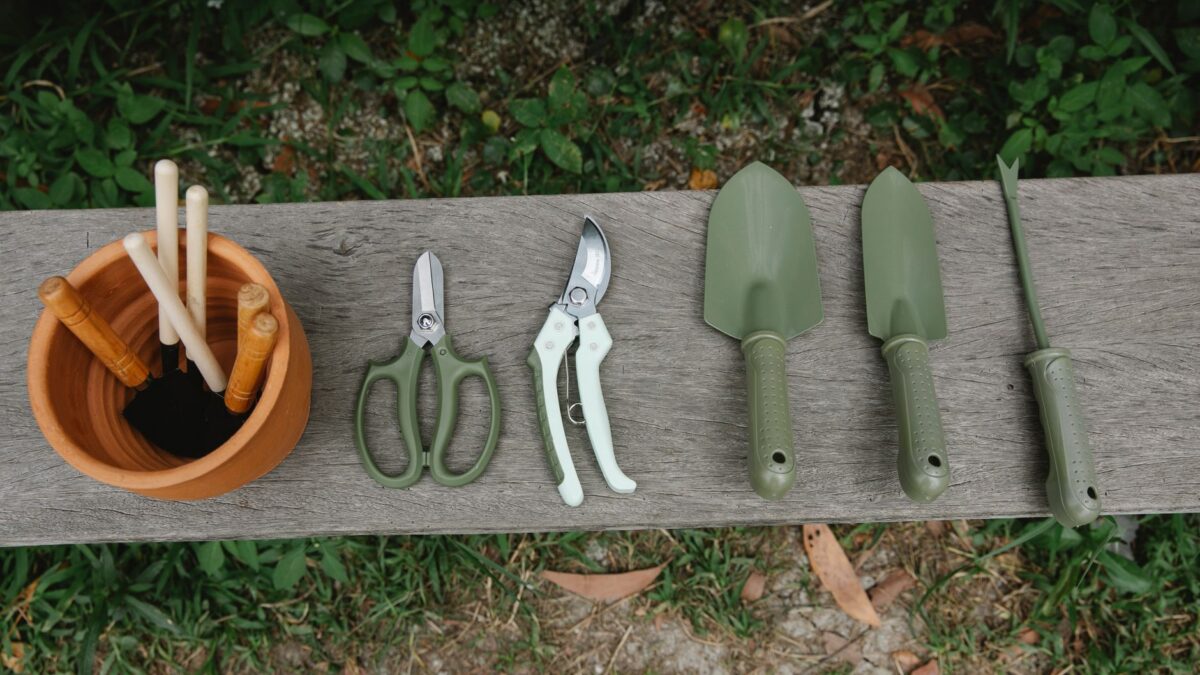
To sharpen garden tools, clean them first, then restore the existing bevel: use a stone or small sharpener on pruners, at about 20 degrees, and a 10-inch mill file on shovels and hoes. Disinfect blades after cutting diseased plants, then dry and oil all metal parts. Winter is a good time to do the whole set at once.
Why sharp tools matter
Sharp pruners slice a stem cleanly. Dull ones take more effort and crush it, leaving a jagged wound that heals slowly and gives pests and diseases a way in. A sharp shovel or hoe also cuts through soil and roots with less force.
What you need
- Stiff brush or wire brush, and rags
- Coarse steel wool for rust
- 10-inch mill file for shovels and hoes
- Whetstone or small hand sharpener for pruners
- Bench vise to hold tools steady
- Safety glasses and leather gloves
- 70% rubbing alcohol in a spray bottle
- Light oil, WD-40, silicone spray or another rust inhibitor
- Boiled linseed oil for wooden handles
Sharpening guide by tool
| Tool | Sharpener | Angle | Sharpen which side |
|---|---|---|---|
| Bypass pruners | Stone or small sharpener | About 20 degrees | Beveled side only |
| Anvil pruners | Stone or small sharpener | Factory bevel | One side or both, depending on the blade |
| Loppers | File or whetstone | Factory bevel | Beveled side |
| Shovels and hoes | 10-inch mill file | Original angle, or about 30 degrees if none | Beveled side |
| Grass shears | Sharpening stone | 20 to 22 degrees | Beveled side |
| Pruning and bow saws | Usually not sharpened | Not applicable | Replace the blade |
The golden rule from University of Wisconsin-Madison Extension is to keep the original angle. Removing too much metal weakens the edge and shortens the tool’s life. If a blade is badly damaged, take it to a professional sharpening service.
Step 1: Clean every tool
- Rinse or soak off soil, then scrub with a brush or cloth.
- Remove sap with soapy water.
- Rub off rust with coarse steel wool.
- Dry the tool completely.
- Check for loose bolts, cracks and broken handles, and fix those first.
Step 2: Disinfect after diseased plants
Fungi, bacteria and viruses can hitch a ride from plant to plant on blades. This matters most when pruning problems such as fire blight. Always clean off soil and sap first, since disinfectants work poorly on dirty tools.
- 70% rubbing alcohol is the easiest choice. Wiping or spraying works, or dip for at least 30 seconds. It isn’t corrosive, and there’s no need to rinse. It’s flammable, so keep it away from heat and flames.
- 10% bleach (1 part bleach to 9 parts water) also works, but it corrodes metal. University of Missouri suggests a 30-minute soak for thorough cleaning. Mix it fresh, because it loses strength after about two hours. Rinse, dry and oil the tool right away. Wear gloves, and never combine bleach with any other product.
Soak times vary between sources, from 30 seconds to 30 minutes. Use a quick alcohol treatment during pruning, and save a bleach soak for end-of-job cleaning. Ideally, disinfect between cuts on a diseased plant, or at least between plants.
Step 3: Sharpen pruners
Check your tool type first. Our guide to bypass vs anvil pruners explains the difference. These steps follow the method from University of California Master Gardeners.
Bypass pruners
- Hold the open pruner flat, or clamp it gently in a vise. Overtightening can bend it.
- Place the sharpener against the beveled side at about 20 degrees.
- Stroke in one direction only, from base to tip, 4 or 5 times.
- Turn the pruner over and slide the sharpener flat along the unbeveled side to remove any burr.
Anvil pruners
- Check whether the blade is beveled on one side or both.
- Sharpen a single-bevel blade as you would a bypass pruner.
- Sharpen a double-bevel blade on both sides until new metal shows along the full length, then smooth each side.
- Replace the pruners if a gap has developed between the blade and anvil and they no longer cut cleanly.
Step 4: Sharpen shovels and hoes
- Clamp the tool in a vise with the edge facing away from you. Put on glasses and gloves.
- Find the bevel. It’s usually on one face. Many cheap stamped tools have a blunt, square edge, so you’ll need to create one at about 30 degrees.
- Hold the file firmly with both hands and push it away from your body in long, steady strokes, sliding it sideways across the blade as you go.
- Lift on the return. Mill files cut only on the forward stroke, so don’t press on the back stroke.
- Keep going until the whole edge is smooth and even.
- Remove the burr with a light, flat stroke on the back of the edge.
You don’t need a razor edge. An edge that’s too fine wears away quickly when it hits soil and stones.
Step 5: Oil and store
- Add a drop of oil around the pivot bolt on pruners and work them open and closed about 10 times.
- Coat all clean, dry metal with oil, WD-40, silicone spray or another rust inhibitor.
- Wipe wooden handles with boiled linseed oil to keep them from drying and cracking. Rags soaked in linseed oil can ignite on their own, so spread them flat outside to dry before disposal.
- Store tools somewhere dry, off the floor, and out of reach of children.
If you’re putting the yard to bed for the year, add your lawn mower to the list.
Bottom line
Clean first, follow the existing angle, take off only as much metal as you need, and finish with oil. Keep rubbing alcohol handy for pruning days. An hour of work each winter keeps tools safer, easier to use and kinder to your plants.
FAQ
How often should I sharpen pruners?
There’s no fixed schedule. Sharpen when they start to crush stems, tear bark or need extra hand pressure. Heavy users may touch up the blade several times a season, and most home gardeners can do it once a year.
Can I sharpen tools with a bench grinder?
It’s better to avoid one unless you’re experienced. Grinders remove metal fast and can overheat the edge. A file or stone is slower but safer for the tool.
Do I really need to disinfect after every cut?
Not for healthy plants. When you’re cutting out disease, disinfecting between cuts is ideal. If that isn’t practical, do it between plants, or at the very least when you’ve finished.
What’s the best oil for garden tools?
Light machine oil, WD-40 and silicone spray all work. Sources differ on vegetable oil, so a rust inhibitor is the safer choice.