Why Are My Houseplant Leaves Turning Yellow? How to Read the Pattern
Which leaves turned yellow tells you more than the color does. Start with the soil, then work through light, drafts, feeding and pests.
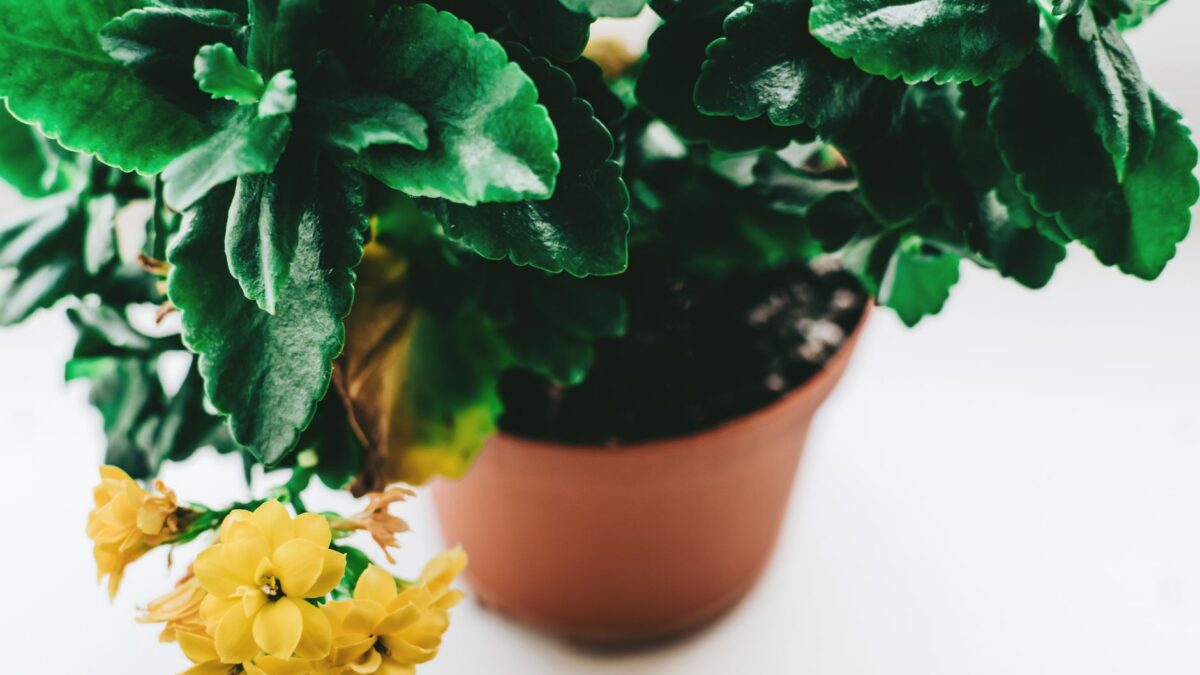
Yellow houseplant leaves are most often a watering problem, so check the soil an inch down before you do anything else. If watering looks fine, let the position of the yellow leaves guide you: one old leaf at the base is usually normal aging, many lower leaves point to water, light or low nitrogen, and yellow new growth points to roots or micronutrients. Change one thing at a time and give the plant a few weeks to respond.
Yellowing is a symptom, not a diagnosis, and more than one cause can be at work. Iowa State University Extension lists environment, water, fertilizer, humidity and light as the usual suspects and advises checking them all. Resist the urge to water and feed on the same day. Two changes at once make it impossible to tell which one helped.
Start with where the yellow is
Look at which leaves changed, how they changed, and whether the soil is wet or dry. This table follows the patterns in UC IPM’s houseplant problem guide, with plain-English notes added.
| What you see | Most likely cause | Check first |
|---|---|---|
| One or two of the oldest, lowest leaves yellow; the rest looks fine | Normal aging | Nothing to fix if new growth is healthy |
| Many lower leaves yellow, soil wet | Overwatering, poor drainage, root rot | Soil, saucer, drainage hole, roots |
| Lower leaves yellow, soil dry, edges crisp | Underwatering or a pot-bound plant | Soil and root ball |
| Older leaves yellow, stems long and thin | Too little light | Distance from the window |
| Older leaves fade evenly, slow growth, no feeding in a long time | Too little fertilizer, especially nitrogen | Your last feeding date |
| New leaves yellow first | Overwatering, a soil pH problem or a micronutrient shortage | Soil moisture, then feeding and water source |
| Yellow with fine speckles, perhaps webbing | Spider mites | Undersides of leaves |
| Yellow with sticky residue or white cottony bits | Sap-feeding insects such as mealybugs | Leaf joints and stems |
| Sudden yellowing soon after a move or a cold trip home | Abrupt change in light or temperature, or a draft | What changed in the past few weeks |
| Bleached or scorched patches on the window side | Too much direct sun | Whether the plant was recently moved |
Work through the causes in order
1. Water
Push a finger about an inch into the mix. If it is still wet and the plant is yellowing, stop watering. Soggy mix keeps air away from the roots, roots start to die, and the plant can then wilt even though it is sitting in water. Lift the pot and look at the saucer. If water is standing there, or the pot has no drainage hole, you have probably found the problem.
If the mix is dry and pulling away from the pot, water slowly until it runs out the bottom, then empty the saucer after 30 to 45 minutes. A plant that keeps drying out soon after watering may be root-bound. Our guide to telling overwatering from underwatering compares the signs side by side, and if the roots are brown and mushy, go straight to saving a plant from root rot.
2. Light
Too little light is the next most common cause, especially from November to February, when days are short and the sun sits low. Expect long, thin stems, smaller new leaves, and older leaves that yellow and drop. Move the plant closer to a bright window. Light falls off quickly with distance, and spots more than a few feet from a window are often too dark to grow in.
Make that move in stages. Iowa State advises changing light levels gradually, because a sudden jump can burn leaves or trigger leaf drop.
3. Temperature and drafts
Cold air from a door or drafty window, or a warm blast from a heat register, can turn leaves yellow and make them fall. Most houseplants do well at about 65 to 75°F and should stay above 55°F. Pull plants back from the glass on very cold nights, and do not trap them behind curtains, where cold air collects.
4. Nutrients
If the plant has been in the same mix for a long time and has not been fed, an even, pale yellow on older leaves suggests low nitrogen. Feed during active growth only, at a half to a quarter of the strength shown for general-purpose use. Reduce or stop in winter.
Yellow new leaves with green veins point to iron or another micronutrient, and that is often a soil pH issue rather than a true shortage in the mix. Our nutrient deficiency chart shows the patterns. Do not feed a plant whose roots are wet or damaged, since fertilizer salts can add to the injury.
5. Pests
Turn over a few leaves in good light. Tiny pale speckles and fine webbing point to spider mites, which do well in dry, heated rooms. White cottony clumps at leaf joints are mealybugs. Move any affected plant away from your others before you treat it.
6. Normal aging
Every plant sheds old leaves. The Royal Horticultural Society describes an occasional yellow lower leaf on a mature plant as normal, while widespread yellowing signals a care problem. If new growth is green and healthy and only a leaf or so goes at a time, leave the plant alone. Extra water or fertilizer here can cause the very problem you are trying to prevent.
What to do with the yellow leaves
A leaf that has turned mostly yellow rarely goes green again, so removing it is fine. Wait until it comes away with a gentle tug, or snip it off with clean scissors. This will not fix the cause, but it does give you a clean starting point. Note the date. If no new leaves turn yellow over the next three or four weeks, your fix worked.
Bottom line
Check the soil first, since water is the most likely culprit. Then use the pattern: old leaves one at a time are normal, many lower leaves point to water, light or nitrogen, new leaves point to roots or micronutrients, and speckles or sticky residue point to pests. Fix one thing, wait a few weeks, and only then try the next.
FAQ
Should I cut off yellow leaves?
Yes, if you like. A fully yellow leaf is no longer much use to the plant. Pull it gently or snip it at the base, and leave partly green leaves in place for now.
Can yellow leaves turn green again?
Mostly no. A leaf that is only slightly pale may recover once the problem is fixed, but a fully yellow one will not. Judge your fix by the new growth.
Should I fertilize a plant with yellow leaves?
Only after ruling out water, light and pests, and only during active growth. Most yellowing is not caused by hunger, and feeding a stressed plant in wet soil can make matters worse.
Why did my new plant turn yellow after I brought it home?
Moving from a nursery to a house changes the light, temperature and humidity all at once, and a cold trip home can add to the stress. Some leaf loss is common. Give it a bright spot, check the soil before watering, and avoid repotting or feeding right away.