Why Is My Houseplant Dropping Leaves in Winter? Causes and Care
Short days and heated air change what your plants need. A little leaf loss is normal, but steady drop usually means one of four care habits needs adjusting.
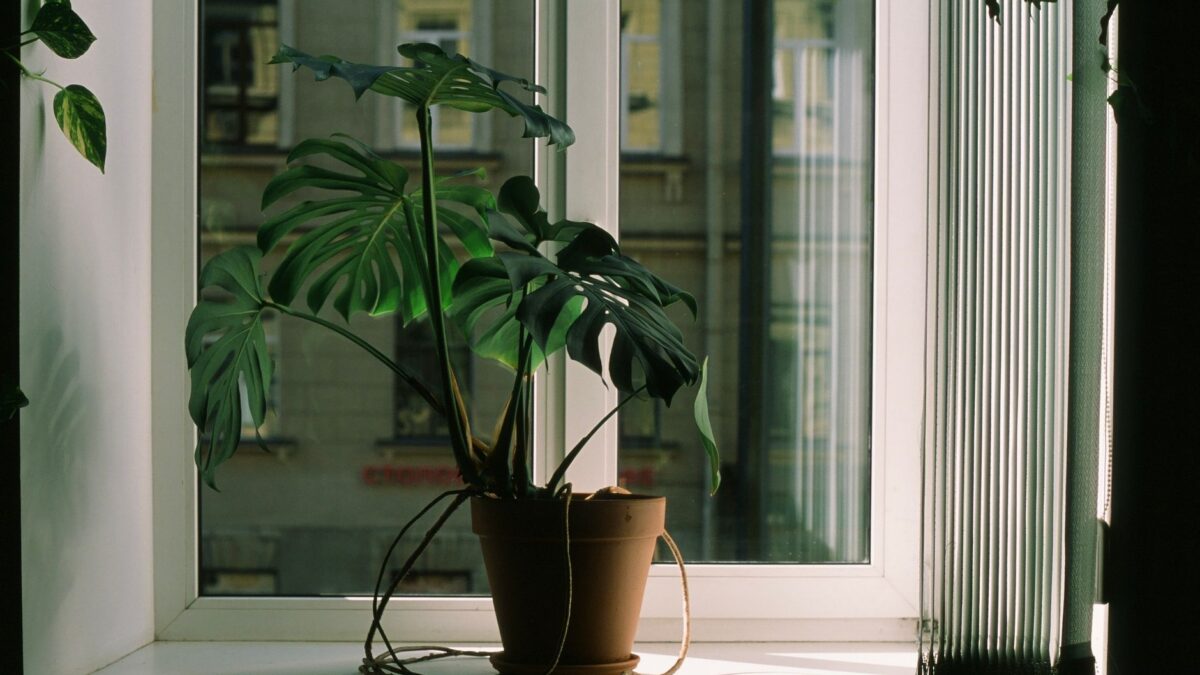
Houseplants usually drop leaves in winter because of low light, dry heated air, cold drafts, or watering at the summer rate. Losing a few older leaves as the days shorten is normal. If leaves keep falling, move the plant closer to a bright window, keep it away from drafts and heat vents, and water only when the top inch of mix is dry.
A plant adapted to the long days of summer has to adjust when light drops sharply. It often sheds lower leaves it can no longer afford to keep. That small adjustment is not a problem. Steady leaf loss, soft or yellow leaves, or bare stems are the signs that something needs to change.
What the leaf drop is telling you
| What you see | Likely cause | What to do |
|---|---|---|
| A few older leaves yellow and drop; new growth is thin or stretched | Low light | Move closer to a bright window or add a light |
| Yellow, soft leaves; mix stays wet for days | Too much water for the season | Let the mix dry; check the roots if it doesn’t improve |
| Sudden drop of green leaves within days of a cold snap or a door opening nearby | Cold draft or chilling | Move away from doors and cold glass |
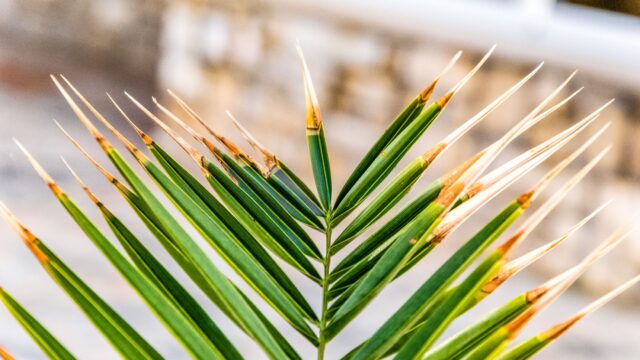
| Crisp brown tips or edges, then leaf drop | Dry air or heat from a vent | Raise humidity, move away from heat |
| Fine speckles, webbing on undersides | Spider mites | Isolate, rinse and treat |
| Leaves fall soon after you moved the plant | Abrupt change in conditions | Leave it in one spot and let it adjust |
Low light
University of Illinois Extension calls light the most important factor for getting houseplants through to spring, ahead of watering or feeding. Its signs of too little light are small leaves, long thin stems, and older leaves that yellow and drop.
- Move plants to your brightest window, even if they sat farther back in summer.
- Remember that light drops quickly as you step away from the glass.
- Clean dusty leaves and windows, and open curtains during the day.
- Rotate pots a quarter turn every week or so to keep growth even.
- If no window is bright enough, read our guide on whether houseplants need grow lights.
Watering at the summer rate
This is the most common winter mistake. Less light means slower growth, and slower growth means far less water use, so a schedule that suited July can drown roots in January. Soggy mix leads to yellow leaves, then root rot, then more leaf drop.
Check the mix an inch down each time, and water only if it feels dry. Iowa State University Extension’s care guide advises against a fixed schedule. Use room-temperature water, water through until it drains, and empty the saucer within 30 to 45 minutes. If you are unsure whether you have gone too far in either direction, see our overwatered vs underwatered guide.
A dry heated room can also empty small pots faster than you would expect, so do check them. Lower water use doesn’t mean no water.
Cold drafts and chilling
Most houseplants do well at about 65 to 75°F and should stay above 55°F, according to Iowa State. Tropical plants can be hurt by much less than a freeze, and UC IPM links chilling below 50°F with leaf spots and damage. Common trouble spots:
- Windowsills on very cold nights, especially with curtains closed behind the plant
- Entryways and spots beside exterior doors
- Leaves touching cold glass
- The trip home from the store in an unheated car
A drop in temperature of 10 to 15°F at night is fine and even useful for many plants. What hurts is cold air blowing directly on foliage, or a sudden swing.
Dry air and heat vents
Most tropical houseplants prefer 40 to 50% humidity, and winter indoor air can sink to around 10%. Moving air from a register makes things worse by drying leaves out and pushing them through hot and cool cycles. Move plants out of the path of vents. Group them together, run a humidifier, or use a pebble tray with the pot above the waterline. Misting doesn’t raise humidity in any useful way.
Pests that show up in winter
Dry air favors spider mites, and weakened plants struggle with them more. Check the undersides of leaves whenever you water. Plants brought indoors in fall may also have carried hitchhikers with them.
Plants that drop leaves easily
Ficus species are especially sensitive to change. A fiddle leaf fig or weeping fig may react to a move, a draft or a watering shift by shedding leaves, then stabilize once conditions settle. Find it a bright spot and resist the urge to move it again.
Your winter care plan
| Care item | Summer habit | Winter change |
|---|---|---|
| Light | Bright, indirect; may need shade from hot sun | Move closer to windows; direct winter sun is usually gentler |
| Water | Often, as the mix dries quickly | Check first; much less often for most plants |
| Fertilizer | Once or twice a month, dilute | Reduce or stop |
| Humidity | Usually adequate | Group plants or add a humidifier |
| Temperature | 65 to 75°F | Same, above 55°F; away from drafts and vents |
| Repotting | Avoid late-season repotting | Wait until late winter or early spring unless the plant is in trouble |
When a plant needs more than patience
Clemson Extension notes that leaf drop from a major change in surroundings should last only about three weeks. If it runs longer, or the stem turns soft, slide the plant out of its pot and check the roots. Bare stems that remain firm may leaf out again in spring, so don’t give up too quickly. Wait to prune until growth starts again.
Bottom line
A few lost leaves in winter are normal. For more than that, give the plant more light, water less often and only after checking, keep it out of drafts and vents, and raise the humidity if you can. Once conditions are stable, most plants settle within a few weeks and regrow when the days lengthen.
FAQ
Is it normal for houseplants to lose leaves in winter?
Yes, within reason. Losing a few older leaves as the days get short is a normal response to less light. Steady drop, or loss of new leaves, points to a care problem.
Should I fertilize a plant that is dropping leaves in winter?
No. Growth is slow in winter, so feeding usually just adds salts to the mix. Resume in spring when you see new growth.
Should I repot a houseplant in winter?
Usually not. Wait until late winter or early spring, when growth picks up. The exception is a plant with rotting roots, which can’t wait.
Will the leaves grow back?
Often, yes, once light improves in spring, as long as the stems and roots are healthy. A scratch on a bare stem that shows green tissue is a good sign on woody plants.