Topsoil vs Garden Soil vs Compost: What to Buy for Each Job
The bags look alike, but they do very different jobs. Here is what each product is, what to buy for your project and how to judge quality.
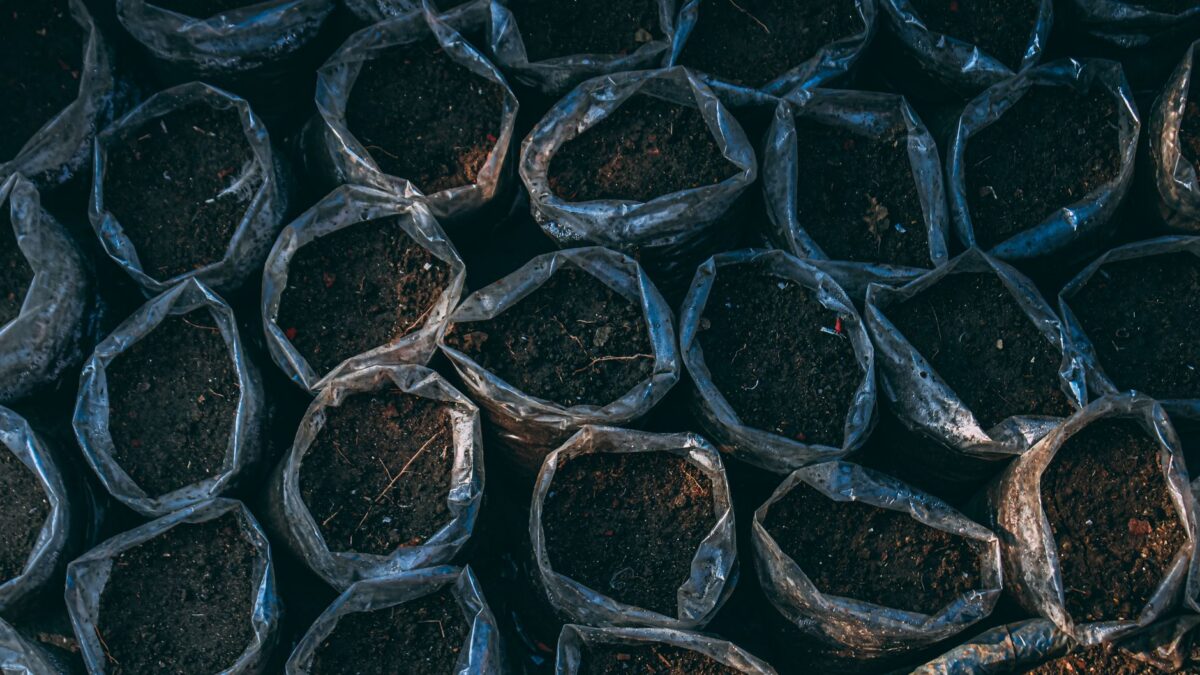
Buy compost to improve the soil you already have, topsoil to fill low spots or add depth, and bagged garden soil to mix into in-ground beds. For pots, buy potting mix instead of any of the three. For raised beds, a blend of topsoil and compost usually works best.
The confusion is understandable, since these products sit side by side and all look like dark dirt. The names also promise more than they guarantee. What matters is what is actually in the bag or truck, so learn the differences and then read the label.
What each product actually is
Topsoil
True topsoil is the upper 4 to 8 inches of natural ground: mineral soil made of sand, silt and clay, with most of the organic matter and soil life. Sold topsoil varies a great deal. The University of Maryland Extension points out that topsoil sales are not regulated in Maryland, and quality standards are hard to come by anywhere. Some of it is excellent and some is little more than subsoil or fill.
Garden soil
This is a bagged product meant for use in the ground. Recipes vary by brand, and many contain wood waste, bark fines, compost and peat instead of real mineral soil. Maryland Extension notes that bags of organic soil typically contain no topsoil at all. They can be useful for improving beds, but they are not the same as soil.
Compost
Compost is decomposed organic matter. It is a soil amendment, not a soil. It feeds soil life, loosens clay and helps sandy soil hold water, but it lacks the mineral part that real soil has. Oregon State University Extension says it needs to be mixed with soil or planting mix to support plant growth.
Potting mix
Potting mix is the fourth product you need to know about. It is a light, usually soilless blend for containers, based on materials such as peat, bark or compost with perlite or vermiculite. See our guide to potting mix vs garden soil for why pots need their own medium.
Side-by-side comparison
| Product | Main ingredients | Best for | Not for |
|---|---|---|---|
| Topsoil | Mineral soil plus some organic matter | Filling low spots, adding depth, raised-bed blends | Containers; thin layers over compacted ground |
| Garden soil | Varies; often compost, bark, peat, wood waste | Mixing into in-ground flower and vegetable beds | Containers, where it compacts and waterlogs |
| Compost | Decomposed plant material, sometimes manure | Amending beds, top dressing, mulch, part of a mix | Use alone as a growing medium |
| Potting mix | Peat, bark or compost plus perlite or vermiculite | Pots, window boxes, some raised beds | Filling low spots in the yard |
What to buy for each job
| Project | What to buy | How to use it |
|---|---|---|
| Improving an existing bed | Compost | Mix in 2 to 4 inches if soil is heavy or thin, then add about 1 inch a year |
| Raised bed on the ground | Topsoil and compost | Blend at 1:1 or 2 parts topsoil to 1 part compost, or use a sold blend |
| Raised bed on a hard surface | Compost and soilless mix | Use 1:1; add topsoil only up to 20% in beds at least 16 inches deep |
| Lawn patch | Topsoil, or a topsoil and compost blend | Loosen first and mix with the soil below; keep the layer over seed thin |
| Containers | Potting mix | Use as is; compost can make up about 20 to 33% of a homemade blend |
| Low spots in the yard | Topsoil | Mix lightly into the ground below; don’t bury tree roots |
For a lawn patch, seed should not be covered with more than about 1/2 inch of soil or 1/4 inch of compost, since grass seed needs light to sprout. Our guide to repairing bare spots in a lawn has the full method. Heavy ground also needs more than a new top layer, because thin soil over hard ground restricts roots. Start with improving clay soil if that is your situation.
How much to buy
Multiply length by width in feet, then multiply by the depth in inches and divide by 12. That gives you cubic feet. Divide by 27 for cubic yards.
For example, a 4-by-8-foot raised bed filled 10 inches deep needs about 27 cubic feet, or roughly one cubic yard. That is about 13 of the common 2-cubic-foot bags. Maryland Extension’s quick rule is that 3 cubic yards of compost covers 1,000 square feet one inch deep.
Bulk delivery is usually the better buy once you need a yard or more, but check your vehicle limits if you plan to haul it yourself. Maryland Extension puts a cubic yard of compost at about 1,100 pounds, and wet soil weighs more.
How to check quality before you pay
- Look and smell. Good topsoil is dark and crumbly with an earthy smell. Pass on soil that is very sandy or very clayey, foul-smelling, or has grayish mottling or a chalky, sticky or rough texture.
- Ask questions. Ask bulk sellers for soil test results, where the soil came from and how it was mixed and stored.
- Test for food crops. If you are growing vegetables, have the soil tested for lead. Maryland Extension says not to plant vegetable crops in soil with total lead above 400 ppm. See how to read a soil test for the rest of the report.
- Check compost for maturity. It should be dark and earthy, even when damp. Compost that is very wet is heavy and hard to spread, and it contains less organic matter per load.
- Ask about herbicides. Long-lasting herbicides such as aminopyralid and clopyralid have occasionally contaminated manure and compost. Reputable producers test regularly and can share results.
- Read the bag. Illinois Extension warns that some bagged products sold as topsoil are mostly sedge peat, which looks good but is poorly drained and poorly aerated in a pot.
Bottom line
Think of the job first. Compost improves soil, topsoil adds volume, bagged garden soil is a convenient amendment for in-ground beds, and potting mix is for containers. Inspect bulk loads before they are dumped, and test any soil that will grow food.
FAQ
Can I use topsoil in pots?
It isn’t a good idea. Topsoil and garden soil compact and waterlog in containers, and roots run short of air. Use potting mix.
Can I plant directly in compost?
Not as the only medium in a pot or deep bed. Utah State University Extension warns against 100% compost because of drainage and salt issues. A 2- to 4-inch layer over real soil is different, because roots grow through it into the ground.
Is bagged topsoil real topsoil?
Sometimes. Many bagged products are mostly organic material with little mineral soil. Read the ingredient list, and buy from a reputable local supplier if you need true topsoil in quantity.
Should I mix new soil with the old soil?
Yes, where you can. A sharp change between layers can slow water movement and keep roots shallow, so blend the new material into the top few inches of the ground below.