Amaryllis Care: Holiday Blooms and Reblooming Next Year
Amaryllis care starts with planting 6 to 8 weeks before you want blooms. This page covers potting, watering, staking and what to do after flowers fade.
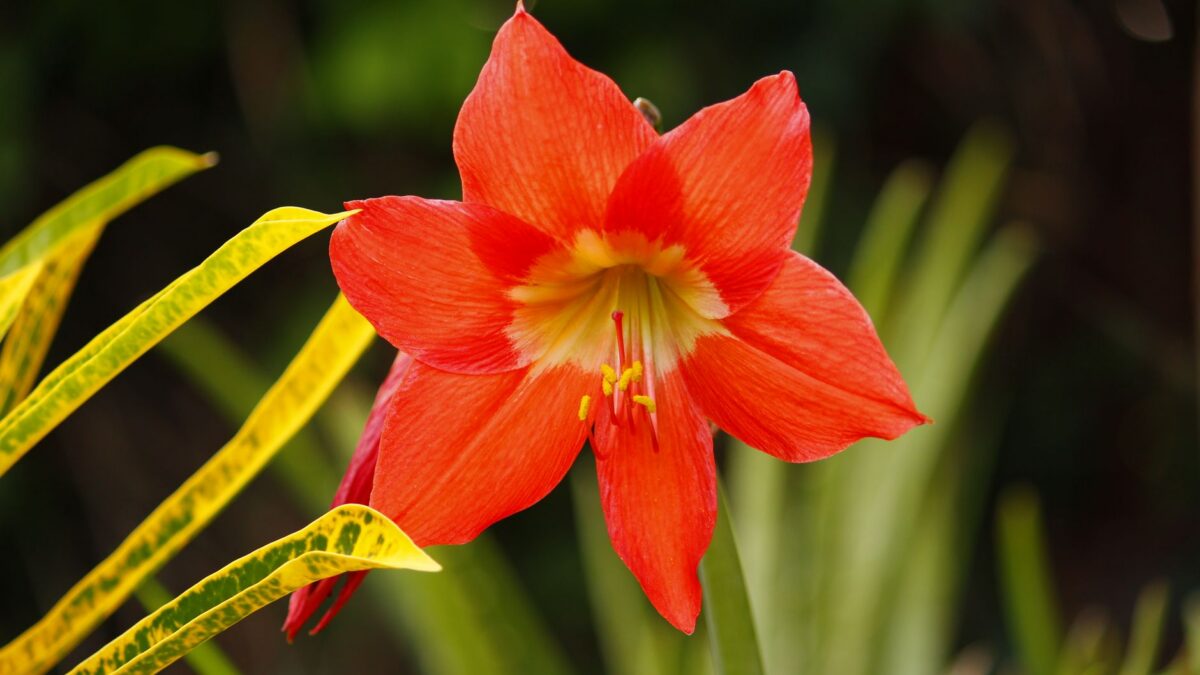
To get an amaryllis to bloom for the holidays, plant a healthy, firm bulb about 6 to 8 weeks before the date you want flowers, keep it in a warm, bright spot, and water sparingly until the flower stalk is growing. After the blooms fade, cut the stalk, keep the leaves growing through spring and summer, then give the bulb a rest in autumn so it can flower again.
Timing: when to plant for holiday flowers
Most amaryllis bulbs flower roughly 6 to 8 weeks after planting, though the range is wider for some varieties and cooler rooms. For flowers around Christmas, plant in early to mid November. For New Year or later, plant in December. Pre-waxed bulbs and bulbs sold in kits are already prepared and need no soil or water, but they usually flower once and are rarely worth keeping.
Choose a bulb that is large, firm and heavy for its size. Larger bulbs generally produce more stalks and more flowers. Avoid any bulb that is soft, moldy, hollow-feeling or has dark, mushy patches. A little dry, papery loose skin is normal, and a short green tip is a good sign.
How to pot an amaryllis bulb
- Pick a snug pot. The pot should be only about 1 to 2 inches (2.5 to 5 cm) wider than the bulb. Amaryllis flower well when slightly root-bound. It must have drainage holes, and a heavy pot helps because the flower stalk makes the plant top-heavy.
- Soak the roots. If the bulb has roots, soak only the roots in room-temperature water for a few hours. Do not submerge the whole bulb for long.
- Use a loose, well-draining mix. A standard indoor potting mix with some added perlite or coarse sand works well. Do not use garden soil.
- Set the depth. Plant with the top third to half of the bulb above the soil line, and firm the mix around it.
- Water once. Give a small drink so the mix is lightly damp, then let it dry slightly before watering again.
- Add a stake early. Push a thin stake in beside the bulb now, before the roots fill the pot, rather than later when it could damage them.
Light, warmth and watering while it grows
Warmth wakes the bulb. A room at about 70 to 75°F (21 to 24°C) encourages growth, and a spot on top of a warm, but not hot, surface can help in a cool home. Keep the pot away from radiators, heating vents and cold drafts.
Until a green shoot appears, water very little. A bulb sitting in wet mix with no leaves to use the moisture is the most common route to rot. Once the shoot is a few inches tall, water when the top inch (2.5 cm) of the mix feels dry, and empty the saucer afterward. Never leave the pot standing in water.
Give the plant bright light once it is growing, ideally a south or west window. Turn the pot a quarter turn every few days so the stalk grows straight instead of leaning toward the glass. Slow growth in a dim room is normal, and so is a stalk that appears before the leaves, or the other way around.
Enjoying the flowers
When the buds open, move the plant out of direct sun and away from heat. Cooler rooms, around 65°F (18°C), make the flowers last longer, often a few weeks. Keep watering lightly. Tall varieties may need support, so tie the stalk loosely to the stake with soft twine.
If a stalk topples, a bulb may be in a pot that is too light or too large, or the plant may be reaching for light. Dry indoor winter air and sudden temperature swings also stress many houseplants, as covered in this article on why houseplants drop leaves in winter.
What to do after the flowers fade
Once a flower wilts, snip it off. When all the flowers on a stalk are finished, cut the stalk off about 1 to 2 inches (2.5 to 5 cm) above the bulb. Do not cut the leaves. Do not remove the stalk while it is still green and healthy if flowers are still opening, because the bulb still draws energy from it.
The leaves are what recharge the bulb for next year. For the next several months:
- Keep the plant in the brightest spot you have.
- Water when the top inch (2.5 cm) of the mix is dry.
- Feed every 2 to 4 weeks with a balanced houseplant fertilizer at the strength on the label, or a little weaker. Stop if the plant looks stressed.
- After the last frost date in your area, the pot can go outdoors in a spot with bright light but some shade from hot afternoon sun. Acclimate it over a week or so, and bring it in before nights fall below about 50°F (10°C).
Resting the bulb for next year’s bloom
Amaryllis need a dormant rest to flower again. In late summer or early autumn, usually about 8 to 10 weeks before you want to restart it, stop feeding and cut watering right back. Let the leaves yellow and wither naturally. Then trim them off and move the pot, or the bare bulb, to a cool, dark, dry place, around 50 to 60°F (10 to 15°C), such as a basement or closet. Leave it for roughly 8 to 12 weeks.
When the rest period ends, or when you see a new shoot, scrape away the top inch (2.5 cm) of old mix and replace it with fresh mix, or repot into fresh mix if the bulb has outgrown the pot. Then water lightly and move it back to a warm, bright place to begin the cycle again. Timing the rest to end in early November is how people line up holiday flowers year after year.
Common problems
- Leaves but no flowers. Usually the bulb was too small, did not get enough light or feeding last season, or skipped its rest. Follow the leaf-growing and rest steps above, and be patient, as some bulbs need a year to recover.
- Soft, smelly or collapsing bulb. This is rot from overwatering. Remove any mushy tissue with a clean knife, let the cut surface dry, and repot in fresh dry mix. If most of the bulb is soft, it cannot be saved.
- Red streaks or spots on leaves and bulb. This can be a fungal disease called red blotch. Cut away affected parts, improve air flow, and avoid wetting the bulb when watering.
- Tiny flies around the pot. These are usually fungus gnats attracted to constantly wet mix. Let the surface dry, and see this guide to getting rid of fungus gnats. If you see sticky clusters of insects on leaves or stalks, see how to get rid of aphids, least toxic first.
Safety
All parts of the amaryllis, especially the bulb, are toxic if eaten and can upset the stomach of people, cats and dogs. Keep the plant and any trimmed leaves or discarded bulbs out of reach of children and pets. Wash your hands after handling bulbs, and contact a doctor, poison control or a vet if someone has eaten any part of the plant.
Quick answers
Why is my amaryllis growing leaves before the flower stalk?
This happens fairly often and is not a problem on its own. Some bulbs send up leaves first, and the stalk may follow later. Keep it warm and bright and water only when the top of the mix dries out.
Can I plant an amaryllis bulb in water?
Some people grow one in a vase of pebbles with the water level just below the base of the bulb. Never let the bulb itself sit in the water, or it will rot. Bulbs grown this way often struggle to rebloom, so soil is the safer choice if you want to keep the bulb.
How is amaryllis care different from poinsettia care?
Both are popular in winter, but a poinsettia is a leafy plant that dislikes cold and soggy roots, while an amaryllis is a bulb that stores energy and needs a rest. For the other holiday favorite, see this article on poinsettia leaf drop and holiday care.
How long does an amaryllis bulb live?
With good care, a bulb can flower for many years. Each year’s flowers depend on how well the leaves were grown and fed in the previous season.