Why Are My Seeds Not Germinating? 7 Causes and When to Resow
Nothing up yet? Before you resow, check the soil temperature, planting depth, moisture and seed age. One of those is usually the reason.
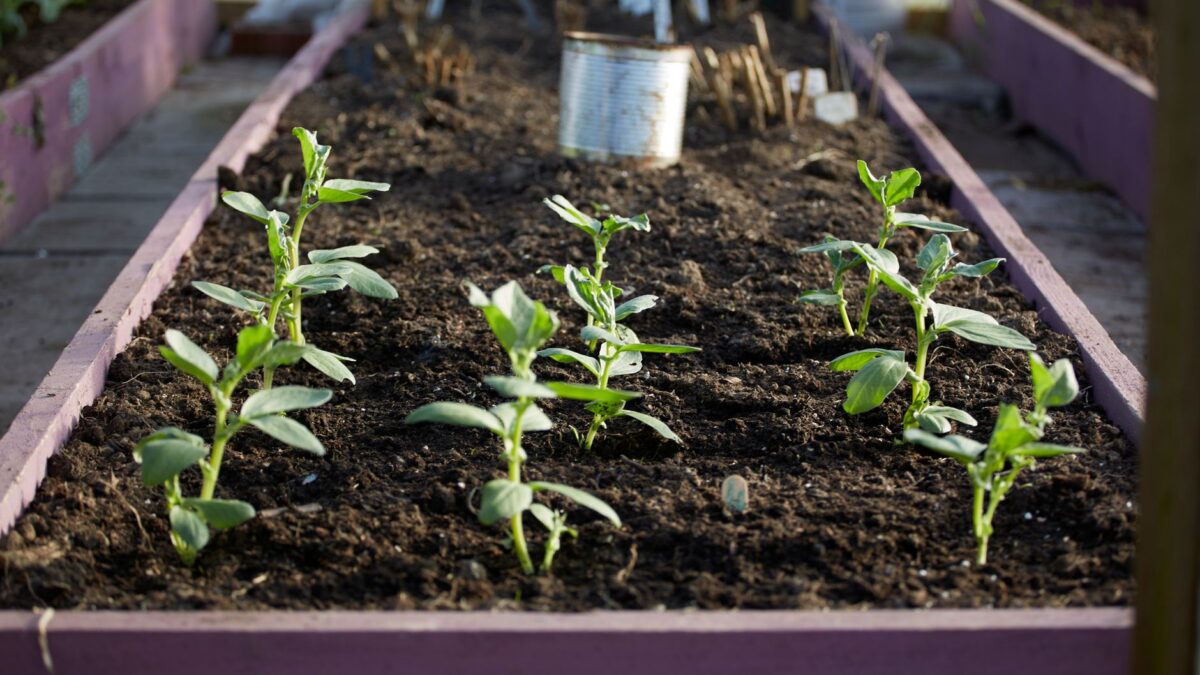
Seeds usually fail for one of four reasons: the soil is too cold, they were planted too deep, the moisture was uneven or the seed is old. Dig up a few seeds to see what happened, take the soil temperature, and test the packet if it’s more than a year old. Resow only once you’ve fixed the cause, or the second sowing will fail too.
7 causes of poor germination
| Cause | Clues | Fix |
|---|---|---|
| Soil too cold | Early spring sowing, especially beans, squash, tomatoes or peppers; seed swollen or rotting | Wait for warmer soil, or start indoors at 70 to 75°F |
| Soil too hot | Lettuce or spinach sown in summer; soil above about 85°F | Sow in a cooler spell, and keep the bed shaded and moist |
| Too deep, or light-needing seed buried | Tiny seed, or lettuce, dill, snapdragon, coleus or celery covered with soil | Sow at about 2 to 3 times the seed’s width; press light-needing seed onto the surface |
| Soil dried out | Slow crops such as carrots; surface dry or crusted between waterings | Water gently and often so the top stays evenly moist |
| Soil waterlogged | Soggy mix or heavy clay; seed mushy | Improve drainage, and water less often |
| Old seed | Packet several years old, or stored somewhere warm | Run a paper towel test |
| Seed moved or eaten | Gaps after heavy rain; scratched soil or missing seed | Resow, and cover the row with fine netting or row cover |
Soil temperature by crop
Cold soil is the most common cause outdoors. The first two number columns come from University of Wisconsin-Madison Extension, and the days to sprout come from Alberta Agriculture. Other charts vary, so treat these as a guide. Germination can happen below the planting minimum, but it’s slower and less reliable.
| Crop | Plant when soil reaches | Best near | Typical days to sprout |
|---|---|---|---|
| Lettuce | 45°F | 75°F | 7 to 10 |
| Spinach | 45°F | 70°F | 7 to 14 |
| Carrot | 45°F | 80°F | 12 to 15 |
| Beet | 45°F | 85°F | 7 to 14 |
| Radish | 45°F | 85°F | 5 to 7 |
| Peas | 50°F | 75°F | 7 to 14 |
| Cabbage | 55°F | 85°F | 5 to 10 |
| Sweet corn | 55°F | 95°F | 7 to 10 |
| Cucumber | 65°F | 95°F | 7 to 10 |
| Pepper | 65°F | 85°F | About 10 |
| Squash, pumpkin | 70°F | 95°F | 7 to 10 |
| Tomato | 70°F | 85°F | 7 to 14 |
| Beans | 72°F | 80°F | About 7 |
Temperature makes a dramatic difference. University of California figures show tomato seed taking about 6 to 8 days in the ideal range, but over 40 days at 50°F.
To check your soil, push a soil thermometer 2 inches deep around midday on three days in a row, as Wisconsin Extension suggests. Your USDA zone won’t tell you this, since soil warms at a different pace in every garden and every spring.
How to find out what happened
- Wait out the expected time. Give seeds the packet’s days to germination, plus about a week if the soil has been cool.
- Dig up a few seeds along the row or in the cell.
- Read what you find. Firm, unchanged seed may still sprout, so check temperature and moisture. Soft or mushy seed has rotted, which points to cold or wet soil. A shriveled sprout means it dried out. No seed at all suggests rain or animals.
- Test the rest of the packet if the seed looks unchanged after a long wait. Our guide on whether old seeds are still good gives the steps and a chart of seed life by crop.
If seedlings came up and then disappeared or fell over, you may be dealing with damping-off instead.
Fixes for seeds started indoors
- Keep the mix at about 70 to 75°F, with a seed-starting heat mat if the room is cool. Illinois Extension recommends this range.
- Cover containers with a dome or plastic wrap until seedlings appear, then remove the cover promptly.
- Use sterile, well-draining mix, and keep it moist but never soggy.
- Remember that window sills can be much colder than the rest of the room, especially at night.
When to resow
- Cool-season crops such as lettuce, peas and spinach can be resown as soon as you’ve fixed the problem, as long as the weather stays cool enough for them.
- Warm-season crops should wait until the soil reaches the temperature in the table. Resowing beans or squash into cold soil usually repeats the failure.
- Late in the season, check the days to maturity on the packet and count back from your average first fall frost to confirm there’s still time. Our guide to watering vegetables can help new sowings through warm spells.
Bottom line
Don’t just throw in more seed. Check temperature, depth, moisture and age, in that order, because these explain most failures. A soil thermometer and a quick paper towel test will tell you far more than guessing will.
FAQ
How long should I wait before giving up?
Allow the packet’s days to germination plus about a week, or longer in cool soil. Then dig up a few seeds and see if they’re firm or rotted.
Why do my carrots never come up?
Carrots are slow, often taking about two weeks, and they’re sown so shallowly that the surface can dry out before they sprout. Water lightly and often until you see seedlings.
Should lettuce seed be covered?
Barely, if at all. Some lettuce varieties, especially white-seeded types, need light to germinate. Press the seed onto fine soil, or follow the depth on the packet.
Why won’t my native wildflower seeds sprout?
Many native flower and tree seeds are dormant until they’ve had a period of cold, moisture or abrasion. Check each species’ needs before sowing, since warmth and water alone won’t wake them.