Why Is My Poinsettia Dropping Leaves? Causes and Holiday Care
Poinsettias are tropical plants living through a cold season in a foil wrapper. A few simple changes can keep the leaves on well past New Year's.
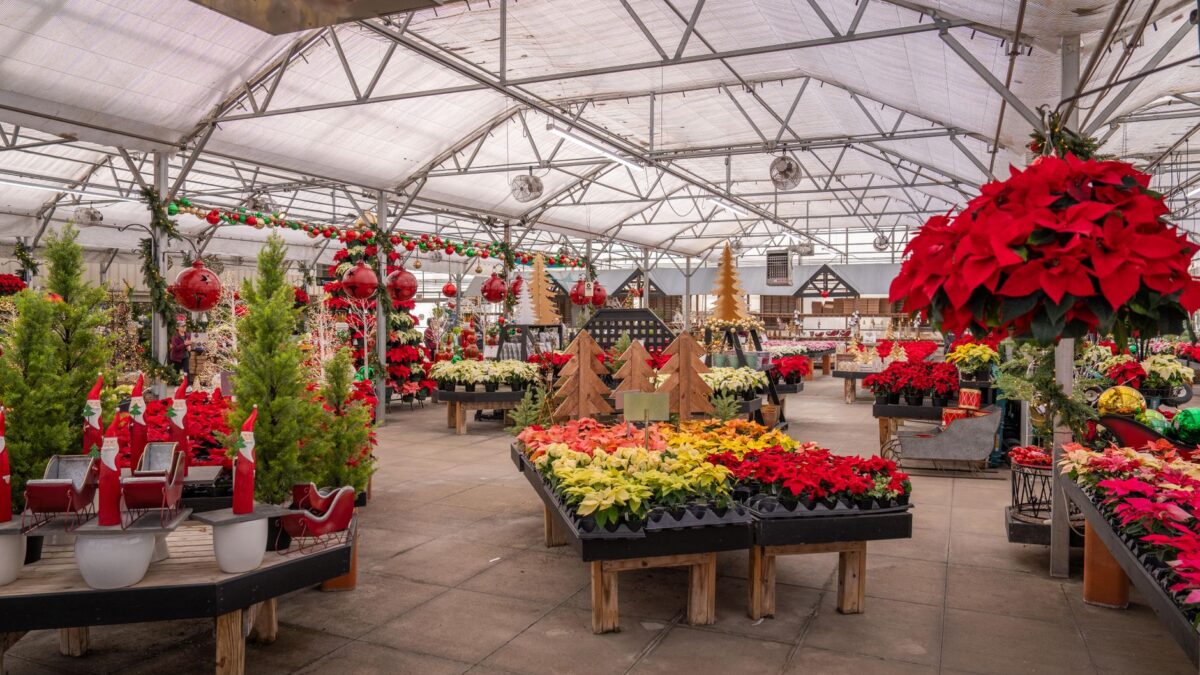
Poinsettias drop leaves mainly because of cold air, soggy roots, too little light, or too much heat. Keep yours at about 60 to 70°F in a bright spot, away from drafts, heat vents and cold window glass. Water when the surface feels dry, and take the pot out of its foil so it can drain.
Poinsettias are tropical plants that come from a warm, stable greenhouse, then often go through a chilly parking lot, a drafty entry and a pot wrapper full of water. Most leaf drop traces back to one of those moments. Here is how to work out which one affected yours.
What the leaf drop is telling you
| What you see | Likely cause | What to do |
|---|---|---|
| Leaves wilt, blacken or fall within a day or two of bringing the plant home | Cold exposure on the trip | Remove damaged leaves, keep it in a stable room |
| Lower leaves turn yellow and fall; foil or pot cover holds water | Soggy roots | Remove the wrap, let it drain, wait until the surface dries |
| Plant wilts, leaf edges brown, pot feels light | Underwatering | Water in the sink until it drains |
| Slow, steady drop in a dim room; bracts fade | Low light | Move to at least 6 hours of bright, indirect light |
| Yellow leaves, early fading near a heater or fireplace | Excess heat | Move it somewhere cooler, at or under 70°F |
| Leaves drop on one side near a door or window | Draft or contact with cold glass | Move it out of the draft and away from the pane |
Cold is the fastest way to lose leaves
According to Iowa State University Extension, freezing temperatures, even for a few minutes, can make leaves and colored bracts blacken and drop. Clemson Extension adds that anything below 50°F can cause chilling injury and early leaf drop.
Protect your plant on the way home:
- Have the store wrap it in a paper or plastic sleeve.
- Warm the car first and carry the plant straight there.
- Make it your last stop. Don’t leave it in a cold car while you run errands.
- Unwrap it as soon as you are home, and pinch or remove any leaf that looks damaged.
At home, watch for quiet cold spots. Leaves that touch a cold pane can be injured, even inside. A spot near an exterior door gets a blast of cold air every time it opens.
Soggy foil is the slow killer
Decorative foil looks festive, but it traps drainage water around the roots. Frequent watering also drives air out of the mix, and Purdue University warns that this can lead to root decay. The fix is simple:
- Lift the plant out of the foil or pot cover.
- Water at the sink until water runs from the drainage holes.
- Let it drain fully.
- Put it back in the cover and make sure nothing has collected in the bottom.
If you prefer to leave the foil on, Purdue suggests poking a few holes in the bottom and setting the pot on a saucer. If a poinsettia has been sitting in water for days and is still collapsing, check the roots. Our guide to saving a plant from root rot explains what to look for, though with a seasonal plant you may decide it isn’t worth the effort.
Going the other way hurts too. Wilting can brown the leaf edges and cause drop, so don’t let the mix dry out completely. If you’re unsure which is happening, see overwatered vs underwatered plants.
Light and heat
Clemson recommends at least six hours of bright, indirect light a day. Winter light is short and weak, so a window spot usually beats a side table across the room. Filter strong direct sun with a sheer curtain, since it can fade the bracts.
Heat causes trouble as well. Clemson advises keeping daytime temperatures at or under 70°F, because excess heat brings on yellowing, leaf drop and early fading. Keep the plant away from vents, radiators, fireplaces and the warm air around appliances. Recommended ranges vary slightly by source, but they all agree that a steady, comfortable room temperature is the goal.
Poinsettia care checklist
- Choose a bright spot with six or more hours of indirect light.
- Keep it around 60 to 70°F, with no drafts and no hot air.
- Keep leaves off cold window glass.
- Check the soil daily with a finger and water when the surface is dry to the touch.
- Water at the sink, drain well, and never leave it sitting in water.
- Do not fertilize while it’s in bloom.
- Group plants or use a humidifier if your home air is very dry.
With good care, the plant should stay attractive for several weeks after the holidays. If yellowing starts well after that, see our broader guide to yellow houseplant leaves.
Pet and child safety
Poinsettia’s reputation is worse than the reality, but it’s still a plant to keep out of reach. The ASPCA lists it as toxic to dogs, cats and horses, with an irritating sap that can upset the mouth and stomach and sometimes cause vomiting. It also calls the plant generally overrated in toxicity. Clemson says eating the foliage may cause a stomachache, diarrhea or vomiting in people, and the milky sap can cause a mild skin rash.
If a pet eats a large amount or seems unwell, call your veterinarian or the ASPCA Animal Poison Control Center at 888-426-4435 (a fee may apply). If a child eats some, call Poison Control at 800-222-1222.
Keeping it after the holidays
Most people compost poinsettias after the season, and that’s fine. To keep one, follow Clemson’s calendar:
- March to April: once the bracts fade, prune to about 8 inches and keep it in a sunny window.
- After nights stay above 50°F: move it outdoors, in light shade at first. Timing depends on your USDA zone.
- Early June: repot into a pot 2 to 4 inches larger, and pinch stems for bushiness until September 1.
- Fall: bring it in when nights fall to 55 to 60°F.
- From the first week of October: give it 14 hours of total darkness each night for 8 to 10 weeks, plus 6 to 8 hours of bright sun by day.
The dark routine works much like the one for a Christmas cactus, and stray evening light can spoil it the same way.
Bottom line
Protect the plant from cold on the way home, keep it around 60 to 70°F in bright light, water only when the surface is dry, and never let the pot sit in water inside the foil. Most leaf drop stops once the plant is in a stable spot.
FAQ
Will my poinsettia’s leaves grow back?
Leaves lost during the holidays won’t regrow quickly. If the stems are firm and you keep the plant for next year, it will produce new growth after pruning in spring.
How often should I water a poinsettia?
There is no fixed schedule. Check daily and water when the surface feels dry to the touch. In a warm room with a small pot, that may be every few days.
Is it normal for a poinsettia to lose a few leaves?
Yes, a few lower leaves may fall as it adjusts to your home. Heavy or sudden loss points to cold, soggy roots or low light.
Are poinsettias poisonous to cats and dogs?
They are mildly toxic. The sap can irritate the mouth and stomach and may cause vomiting, but serious poisoning is not the typical result. Keep the plant out of reach anyway.