How to Save a Plant From Root Rot: A Step-by-Step Rescue
Root rot is not always fatal. If some firm roots remain, a careful trim, fresh mix and restrained watering give the plant a real chance.
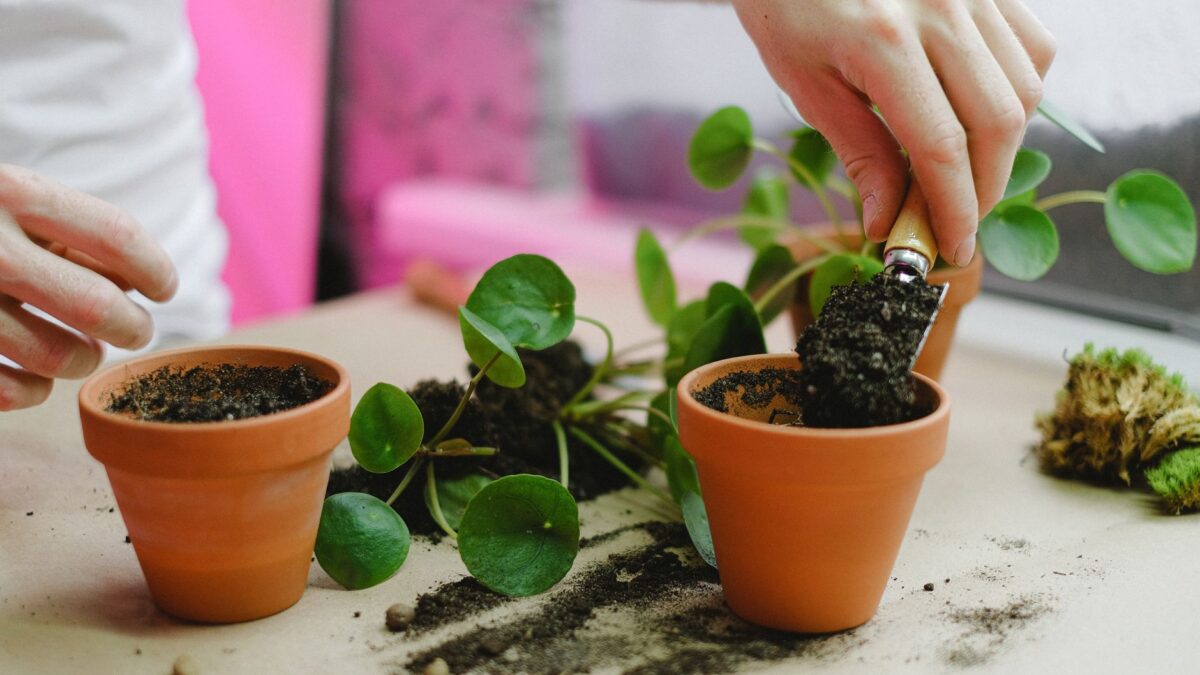
To save a plant from root rot, take it out of the pot, cut away every brown or mushy root, and repot what’s left in fresh, well-drained mix, then water sparingly until new growth appears. The rescue works best when a good share of firm roots remains. If nearly all the roots and the base of the stem have gone soft, take cuttings from healthy stems or start again with a new plant.
Root rot usually comes from water molds such as Pythium and Phytophthora, which do well in soggy, airless mix. Overwatering, poor drainage, old compacted mix and salt buildup all set the stage. That means the rescue has two parts: removing damaged tissue, and changing the conditions that caused it.
Confirm it’s root rot first
The classic sign is a plant that wilts while the soil is wet. Iowa State University Extension describes wilting that starts at the bottom leaves and moves up, along with yellowing and leaf drop. The stem near the soil may turn soft or dark. If you’re not certain, our comparison of overwatered and underwatered plants will help you rule out simple thirst.
The only sure check is to look at the roots.
| Feature | Healthy roots | Rotted roots |
|---|---|---|
| Color | White or light-colored | Brown to black |
| Feel | Firm | Soft, mushy, collapsed |
| Outer layer | Stays in place | Slips off, leaving a thin strand |
| Smell | Earthy | Often sour or unpleasant |
What you need
- Clean, sharp scissors or pruners, plus rubbing alcohol to wipe the blades
- Fresh potting mix suited to the plant
- A clean pot with a drainage hole, about the size of the remaining root system
- Newspaper or a tray, and a sink or bucket of lukewarm water
Rescue steps
- Remove the plant. Tip the pot, support the base of the stem, and ease the plant out. If it’s stuck, run a knife around the inside edge.
- Clear the old mix. Shake off what falls away, then rinse the roots gently under lukewarm water until you can see them clearly.
- Sort the roots. Pinch along them. Keep what is firm and light. Anything soft, dark or slimy has to go.
- Cut back to healthy tissue. Cut into firm root just above each damaged section. Wipe the blades with alcohol now and then, and again when you finish.
- Reduce the top if you removed a lot. Take off yellow and damaged leaves. If a large share of the roots is gone, trim some stems back too, so the smaller root system has less foliage to support.
- Clean the pot or use a new one. Discard the old mix. Clemson Extension advises scrubbing a reused pot, then rinsing it in one part bleach to nine parts water. Use only plain bleach and water, never another cleaner, and let the pot dry.
- Repot. Add a little fresh mix, set the roots in place, and fill in around them. Firm lightly and leave 1/4 to 1/2 inch below the rim. Skip any gravel layer at the bottom. Choose a pot that matches the roots you have left, not the ones you started with, because extra wet mix around a small root system is the problem you’re trying to fix.
- Water once to settle the mix. Let it drain fully and empty the saucer.
- Place it in bright, indirect light, away from drafts, heat vents and direct sun.
Aftercare for the next two months
- Water carefully. Wait until the mix is dry an inch or two down. Since the plant has fewer roots, it will use water more slowly than before.
- Skip fertilizer. Fresh mix usually contains some, and Iowa State advises holding off on fertilizer for the first few months after repotting. New roots should not be sitting in added salts.
- Leave it alone. Moving the plant around or unpotting it to check will set it back.
- Empty saucers every time. Don’t let the pot sit in water.
What to expect
Don’t panic if the plant looks worse at first. Some leaf yellowing and drop is normal because it is adjusting to a smaller root system, and Clemson Extension notes that leaf drop from a major change should last only about three weeks.
Fresh leaves are the sign that roots are growing back, and they may take several weeks to appear. Recovery tends to be slower in winter’s low light than in spring and summer. A gentle tug helps too: if the plant resists, new roots are anchoring it.
If the stem turns soft at the base, the rot has moved up and the rescue isn’t working. Go to cuttings while healthy tissue remains.
When to take cuttings or let go
UC IPM notes that once a problem is well advanced, restoring a plant may not be practical. If you find only a few firm roots, or the crown has collapsed, it’s worth taking stem cuttings from healthy growth above the rot, if your plant can be propagated that way. If it can’t, discard the plant and mix rather than keeping a source of disease near your other pots.
Should you use a fungicide?
Usually not. Clemson Extension says fungicides for root rot often cost more than a new plant, and no spray fixes wet, airless mix. Trimming, fresh mix and better watering are the core of the treatment. If you have a large or valuable plant and want to try a product, choose one labeled for root rot on houseplants and follow the label.
How to prevent it next time
- Only water when the top inch or two has dried.
- Use pots with drainage holes, and empty cache pots and saucers.
- Use a real potting mix, not garden soil, and replace it when it turns old and compacted.
- Move up only one pot size at a time.
- Water less in winter, when plants use much less.
Bottom line
Unpot the plant, cut back to firm roots, use fresh mix and a clean pot, and then show restraint with water. Plants with a decent amount of healthy root often come back within a few weeks to a few months. If the base of the stem is soft, your best hope is a cutting.
FAQ
Can a plant recover from root rot?
Yes, if some firm, healthy roots remain and the conditions change. Plants that have lost most of their roots rarely recover, but cuttings from healthy stems may still root.
Should I use hydrogen peroxide on root rot?
It is a popular home remedy, but the Clemson, UC IPM and Iowa State guidance used here does not call for it. Stick with trimming, fresh mix and better watering, which address the actual cause.
Can I put the plant back in the same pot?
Yes, if the size still suits the roots and you’ve scrubbed and disinfected it. If you’ve removed a lot of roots, a smaller pot is usually a better choice.
Can root rot spread to my other plants?
It can move with contaminated mix, water and tools. Don’t share saucers between sick and healthy plants, throw away the old mix, and clean your scissors before using them elsewhere.